

How Does Technology Help Detect Color Vision Deficiency?
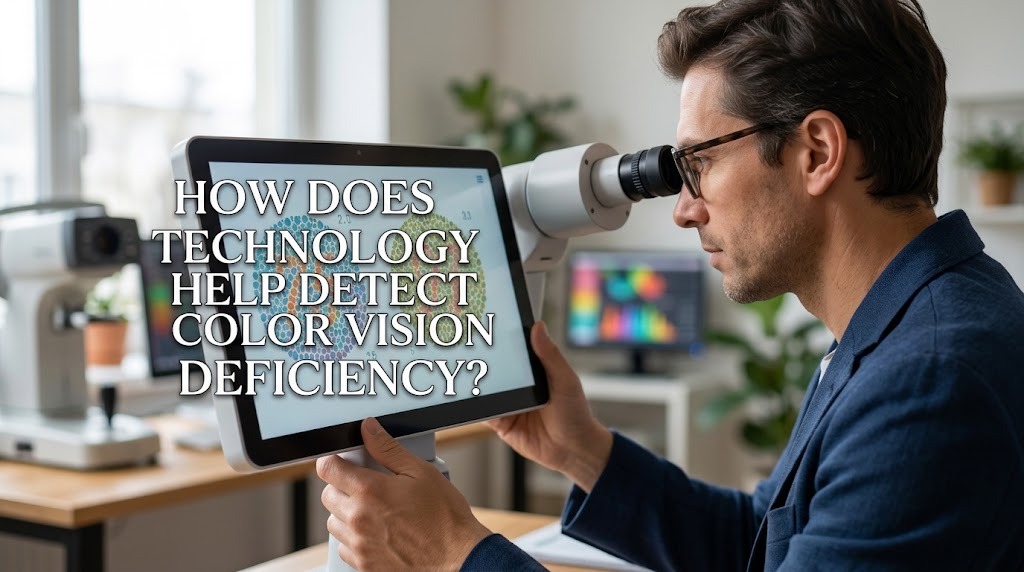
Technology has significantly improved the way color vision deficiency is detected and evaluated. In the past, color blindness examinations mainly relied on printed test materials and specialized optical instruments. Today, digital devices, computer-based assessments, and advanced imaging technologies provide additional ways to examine how people recognize and distinguish different colors. These developments make color vision testing more accessible and support eye care professionals in identifying visual problems.
Color vision deficiency is a condition in which someone has difficulty distinguishing certain colors, particularly red and green, although blue-yellow deficiencies can also occur. The condition may be inherited or develop because of certain eye diseases, medical conditions, or damage to the visual system. With the help of modern technology, color vision assessments can become more flexible, detailed, and efficient. Understanding these developments helps explain how technology contributes to early detection and better eye health evaluations.
DIGITAL COLOR BLINDNESS TESTS
Digital color blindness tests are among the most accessible technologies used to screen for color vision deficiencies. These examinations can be performed through computers, tablets, or smartphones by displaying colored patterns, numbers, and symbols. Participants are asked to identify the figures or distinguish specific colors displayed on their screens. Some digital tests use principles similar to the traditional Ishihara Color Test.
One advantage of digital testing is that it allows people to perform preliminary color vision assessments without immediately visiting an eye clinic. The results can help individuals recognize possible difficulties with color perception and determine whether professional testing is necessary. However, screen brightness, display quality, and color calibration can influence the accuracy of the results. Therefore, digital tests should be treated as screening tools rather than replacements for professional eye examinations.
COMPUTER-BASED COLOR VISION ASSESSMENTS
Computer-based assessments provide another method for evaluating how accurately individuals distinguish different colors. These systems can display controlled color combinations and ask participants to identify differences between shades or arrange colors according to their appearance. Unlike basic screening applications, some specialized programs offer more structured testing procedures that allow examiners to evaluate specific color discrimination patterns.
These assessments can help identify difficulties involving red, green, blue, and yellow color perception, depending on the test design. They may also record responses automatically, reducing the need for manual result calculations. Some systems allow eye care professionals to compare results from different examinations and monitor changes over time. However, the reliability of these assessments depends on proper screen calibration, standardized testing conditions, and validated testing methods.
ARTIFICIAL INTELLIGENCE IN COLOR VISION DETECTION
Artificial intelligence is increasingly being explored in healthcare, including technologies designed to support visual assessments. AI-based systems can analyze responses from digital color vision tests and identify patterns that may indicate color discrimination difficulties. By processing multiple test results, these systems may help organize visual assessment data and provide additional information for healthcare professionals.
Some developing technologies also use machine learning to improve the interpretation of color vision screening results. These systems can potentially identify patterns that are difficult to evaluate through simple manual comparisons. However, artificial intelligence should not be considered a replacement for professional medical judgment. Its findings need to be evaluated alongside clinical examinations, patient history, and other relevant information before conclusions are made about a person's visual condition.
ADVANCED OPTICAL INSTRUMENTS AND DIGITAL EQUIPMENT
Modern optical instruments help eye care professionals examine color perception under more controlled conditions. One example is the anomaloscope, which allows individuals to match different combinations of colored light. Specialized versions of this instrument can provide detailed information about certain red-green color vision deficiencies. This technology is particularly useful when a more precise assessment is needed.
Digital equipment can also improve how test results are recorded, stored, and compared. Some specialized examination systems use standardized color displays to reduce inconsistencies during testing. These technologies support more systematic evaluations and can help professionals identify differences between inherited color vision deficiencies and possible acquired problems. Nevertheless, appropriate equipment calibration and trained examiners remain essential for obtaining reliable results.
MOBILE APPLICATIONS FOR EARLY COLOR VISION SCREENING
Mobile applications have made preliminary color vision screening easier to access for people of different ages. Many applications contain visual exercises that ask users to identify numbers, patterns, or color differences. Some are designed for adults, while others provide simpler activities that may be suitable for children under appropriate supervision. These applications can encourage people to become more aware of their color perception.
For parents, mobile screening applications may provide an initial indication that a child has difficulty recognizing certain colors. However, not every application has been clinically validated, and different smartphone screens can display colors inconsistently. Children may also misunderstand instructions or provide incorrect answers because of their age and reading abilities. Therefore, suspicious or inconsistent results should be followed by an examination conducted by a qualified eye care professional.
THE BENEFITS OF TECHNOLOGY FOR EARLY DETECTION
Technology provides several benefits for identifying color vision deficiencies, particularly by making screening methods more accessible and improving the way examination results are evaluated. Digital tests can help individuals recognize possible color perception problems earlier, while specialized equipment provides more detailed assessments when necessary. These developments can support early identification in schools, healthcare facilities, and workplaces.
Early detection is especially useful for children because color recognition plays an important role in educational activities. When a deficiency is identified, parents and teachers can adjust learning materials by combining colors with symbols, labels, and written instructions. For adults, accurate testing can help identify visual changes that may require further medical evaluation. Although technology improves the testing process, professional examinations remain important for confirming findings and identifying possible underlying conditions.
CONCLUSION
Technology helps detect color vision deficiency through digital screening tests, computer-based assessments, artificial intelligence, mobile applications, and advanced optical instruments. Each method offers different advantages, ranging from accessible preliminary screening to more detailed evaluations of color perception. These developments make color vision testing more flexible and provide additional support for eye care professionals.
However, not all digital examinations provide medically reliable results. Factors such as screen calibration, lighting conditions, and testing procedures can influence accuracy. For this reason, technology should support rather than replace professional eye examinations. Combining appropriate digital tools with clinical assessments helps individuals identify color vision difficulties and receive suitable guidance for maintaining their visual health.
Recent Posts

Bagaimana Sistem SKS pada Program Kuliah... 22.11.2026/40 View

How Does Technology Make Daily Evaluation... 21.11.2026/71 View

Apa Strategi Menghadapi Kesenjangan antara Kompetensi... 21.11.2026/73 View

Mengapa Inventaris Aset Penting bagi Kelancaran... 21.11.2026/69 View

When Should Musicians Join a Record... 21.11.2026/73 View
