

How Does Technology Improve Corporate Asset Management?
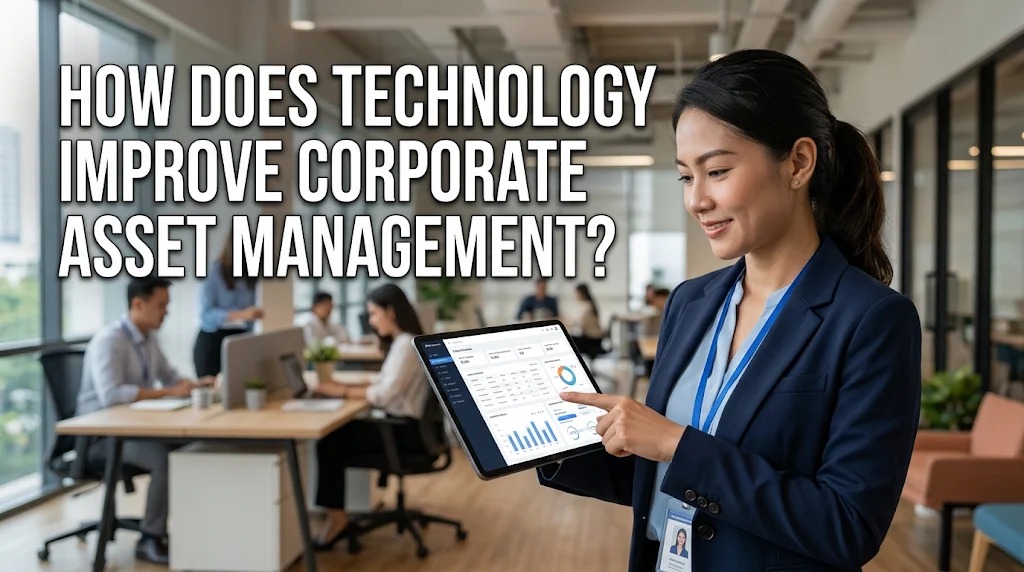
Technology plays an important role in improving corporate asset management by helping companies monitor, organize, and maintain their resources more effectively. Managing assets manually can take considerable time and increase the risk of errors, missing records, or lost equipment. With modern technology, businesses can access accurate information, track asset conditions, and make better decisions. These improvements help companies reduce operational costs, increase productivity, and protect their investments.
IMPROVING ASSET TRACKING AND MONITORING
Technology allows companies to track their assets more easily through digital systems. Tools such as barcode scanners, QR codes, and Radio Frequency Identification (RFID) help identify and monitor equipment, vehicles, and other company resources. Employees can quickly check an asset's location, ownership, and current status without searching through paper records.
Some businesses also use GPS tracking to monitor vehicles and equipment in different locations. This technology helps managers understand how assets are being used and identify unusual movements. As a result, companies can reduce the risk of theft, loss, and unauthorized use.
MAKING ASSET RECORDS MORE ACCURATE
Digital asset management systems help companies store important information in one organized platform. These records may include purchase dates, asset values, serial numbers, maintenance history, and depreciation details. Employees can update information directly, reducing the need for repeated manual data entry.
Accurate records make it easier for management to prepare financial reports and conduct asset audits. They also help businesses identify outdated information and correct mistakes more quickly. With reliable data, companies can make decisions based on actual asset conditions rather than incomplete records.
REDUCING MAINTENANCE COSTS
Technology helps companies maintain their assets through scheduled maintenance systems and real-time monitoring tools. These systems can send automatic reminders when equipment needs inspection, servicing, or replacement. This allows employees to address potential problems before they become serious.
Some advanced machines use sensors to monitor temperature, vibration, pressure, and other performance indicators. This approach is known as predictive maintenance because it uses equipment data to identify possible failures before they happen. By preventing unexpected breakdowns, companies can reduce repair expenses and avoid production delays.
INCREASING OPERATIONAL EFFICIENCY
Digital technology makes asset management processes faster and more organized. Employees can access asset information, submit maintenance requests, and update records through computers or mobile devices. This reduces paperwork and allows different departments to share information more efficiently.
Automation also helps businesses complete routine tasks with fewer manual steps. For example, a system can automatically calculate depreciation, generate maintenance schedules, and notify employees about important deadlines. These features allow staff to focus on more important responsibilities and improve overall productivity.
SUPPORTING BETTER BUSINESS DECISIONS
Technology provides companies with useful data about asset performance, utilization, and operating costs. Management can use dashboards and analytical tools to understand which assets are productive and which ones are frequently underused. This information helps businesses determine whether they should repair, replace, sell, or purchase additional equipment.
Data analysis also supports long-term financial planning. Companies can estimate future maintenance expenses, evaluate investment needs, and allocate budgets more effectively. Better decisions help businesses avoid unnecessary purchases and maximize the value of their existing resources.
IMPROVING ASSET SECURITY
Digital security systems help companies protect their assets from theft, unauthorized access, and misuse. Access controls can limit who is allowed to operate equipment or view sensitive asset information. Meanwhile, digital activity records help managers identify unusual transactions or changes.
Companies can also use cloud-based platforms to store asset information securely and create regular backups. However, these systems must be protected with strong passwords, encryption, and appropriate access permissions. Proper cybersecurity practices are important to prevent data breaches and protect confidential business information.
CONCLUSION
Technology improves corporate asset management by making asset tracking, recordkeeping, maintenance, and security more efficient. Digital systems provide accurate information that helps companies reduce costs and improve productivity. By adopting suitable technologies, businesses can manage their resources more effectively, make informed decisions, and support long-term growth.
Recent Posts

How Does Technology Make Daily Evaluation... 21.11.2026/55 View

Apa Strategi Menghadapi Kesenjangan antara Kompetensi... 21.11.2026/57 View

Mengapa Inventaris Aset Penting bagi Kelancaran... 21.11.2026/52 View

When Should Musicians Join a Record... 21.11.2026/52 View

Daily Evaluation or Daily Planning Which... 21.11.2026/59 View
