

How Does Technology Support Modern Police Academy Education?
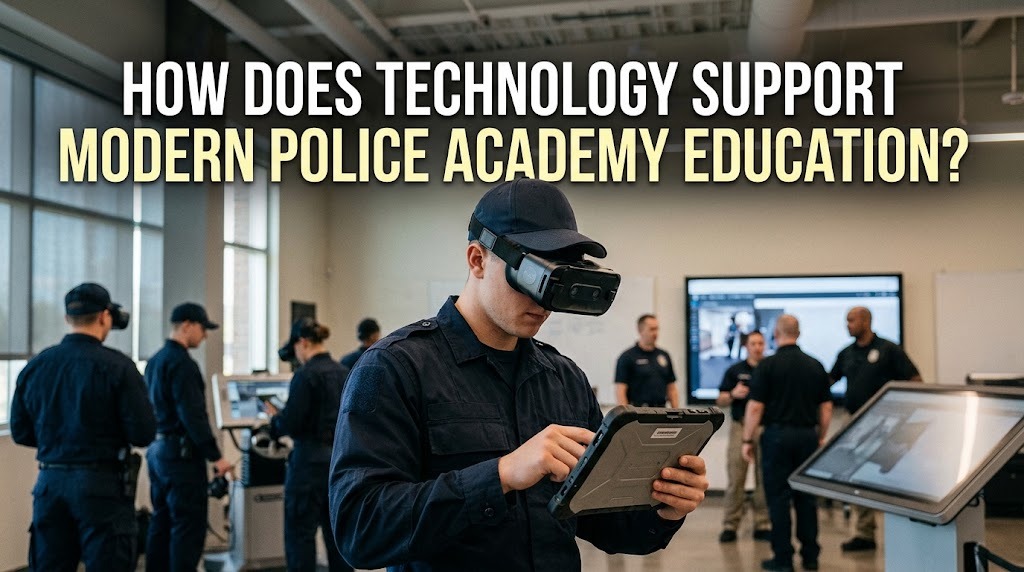
Technology plays an increasingly important role in modern police academy education. As law enforcement faces challenges such as cybercrime, digital fraud, and increasingly complex security threats, future police officers need more than traditional training methods. They must understand how to use digital tools, analyze information, and respond to modern policing situations responsibly.
In Indonesia, the Indonesian Police Academy, known as Akademi Kepolisian or AKPOL, prepares cadets for professional police service through academic learning, practical exercises, physical training, and character development. Integrating technology into this process can help cadets improve their knowledge, develop practical skills, and understand the demands of modern law enforcement.
DIGITAL LEARNING AND ACCESS TO EDUCATIONAL MATERIALS
Digital learning helps make police academy education more flexible and accessible. Through digital learning platforms, electronic materials, presentations, and educational videos, cadets can review lessons and strengthen their understanding of important subjects. These resources can support classroom instruction in areas such as criminal law, police management, investigative procedures, and professional ethics.
Digital learning also allows instructors to present complicated information through simulations, diagrams, and interactive exercises. For example, a lesson about crime scene procedures can include digital illustrations that help cadets understand how evidence should be documented and protected. Cadets can revisit learning materials when preparing for examinations or practical assessments. However, digital resources should complement direct instruction and supervised practice rather than replace essential hands-on training.
SIMULATION TECHNOLOGY FOR PRACTICAL TRAINING
Simulation technology allows cadets to practise responding to challenging situations in a controlled learning environment. Computer-based scenarios can recreate incidents involving public disturbances, emergency responses, communication problems, and decision-making under pressure. These exercises allow cadets to explore different approaches without exposing themselves or others to the risks of an uncontrolled real-world situation.
Simulations can also help instructors evaluate how cadets assess information, communicate with colleagues, and choose appropriate actions. After an exercise, instructors can review decisions and explain which responses were effective and which require improvement. Repeating these scenarios helps cadets develop confidence and critical thinking skills. Nevertheless, simulations must be combined with realistic physical exercises because digital environments cannot fully reproduce every aspect of actual police work.
DIGITAL FORENSICS AND CRIME INVESTIGATION
Digital forensics is an important area of modern law enforcement education because criminal activities increasingly involve electronic devices and digital information. Cadets need to understand how computers, mobile phones, online accounts, and other digital systems may contain evidence relevant to an investigation. Learning the basic principles of digital evidence helps future officers recognize the importance of accuracy, legality, and proper documentation.
Training in this area can introduce cadets to evidence preservation, digital investigation procedures, and the importance of maintaining a clear chain of custody. They must understand that digital evidence should be obtained and examined through lawful procedures. Improper handling can damage evidence or weaken its reliability in legal proceedings. By developing these skills, cadets can become better prepared to work with specialized investigators and respond to technology-related crimes.
ARTIFICIAL INTELLIGENCE AND DATA ANALYSIS
Artificial intelligence and data analysis can help modern police organizations process information and identify patterns relevant to public safety. In police education, these technologies can introduce cadets to analytical thinking, digital information management, and the responsible interpretation of data. For example, anonymized training datasets can help students examine patterns in reported incidents and consider how limited resources might be allocated.
However, technology-assisted analysis requires careful human judgment. Artificial intelligence can produce inaccurate results, reflect biases in its training data, or overlook important circumstances. Cadets must therefore learn to verify information, assess the limitations of digital tools, and avoid treating automated recommendations as unquestionable facts. Privacy protection, accountability, and compliance with applicable laws should remain central to every technology-based learning activity.
ONLINE COMMUNICATION AND POLICE REPORTING SYSTEMS
Digital communication tools help police personnel exchange information and coordinate activities more efficiently. In police academy education, cadets can learn how to prepare digital reports, organize information, and communicate professionally through approved systems. These skills are useful for documenting incidents, sharing operational updates, and maintaining accurate records.
Electronic reporting systems can also help reduce paperwork and improve access to relevant information when appropriate safeguards are in place. Cadets must learn to distinguish verified facts from assumptions and record information clearly. They should also understand the importance of confidentiality when handling personal data, investigation details, and other sensitive records. Proper training in digital communication supports accuracy, efficiency, and accountability in police operations.
CYBERSECURITY AND RESPONSIBLE TECHNOLOGY USE
Cybersecurity education prepares cadets to recognize and respond to threats involving digital systems. Police officers may encounter phishing attacks, identity theft, online scams, data breaches, and other forms of cybercrime during their careers. Understanding basic cybersecurity principles helps cadets recognize suspicious activities and protect information used in police work.
Cadets should learn how to create secure passwords, recognize fraudulent messages, protect devices, and follow approved information security procedures. They also need to understand that unauthorized access to data or careless handling of confidential information can create serious legal and professional consequences. Cybersecurity training should emphasize prevention, responsible reporting, and compliance with institutional policies. These principles help future officers protect both police information and the privacy of the public.
VIRTUAL CLASSROOMS AND COLLABORATIVE LEARNING
Virtual classrooms can support police academy education by allowing instructors to share learning materials, conduct discussions, and provide assignments through digital platforms. These systems can be useful when cadets need to review theoretical subjects or complete supplementary learning activities. Digital collaboration tools may also help students work together on case studies and discuss possible solutions to policing challenges.
Collaborative learning encourages cadets to exchange perspectives and develop communication skills. For example, a group may examine a fictional incident, identify relevant legal considerations, and present a structured response. Digital platforms can make it easier to organize these activities and provide feedback. Even so, virtual learning should be balanced with direct interaction, physical training, and supervised exercises to ensure that cadets develop the interpersonal skills required for police service.
THE CHALLENGES OF INTEGRATING TECHNOLOGY INTO POLICE EDUCATION
Although technology offers many benefits, integrating it into police academy education also presents challenges. Digital equipment, secure networks, specialized software, and regular maintenance can require substantial resources. Instructors must also receive appropriate training so they can use educational technology effectively and explain its limitations to cadets.
Another concern is the protection of personal information and sensitive training materials. Digital systems must be managed carefully to reduce the risk of unauthorized access, data loss, and misuse. In addition, excessive dependence on technology may weaken practical abilities if digital exercises replace essential face-to-face training. A balanced education system should combine technological innovation with human judgment, professional ethics, physical readiness, and direct practical experience.
CONCLUSION
Technology supports modern police academy education by improving digital learning, practical simulations, investigative knowledge, data analysis, communication, and cybersecurity awareness. These tools help cadets understand modern crime and develop skills that are increasingly relevant to professional policing. However, technology cannot replace discipline, ethical judgment, physical readiness, or direct interaction with the community. By combining digital innovation with traditional instruction and supervised practice, police academies can better prepare cadets to serve the public responsibly in a changing security environment.
Recent Posts

Bagaimana Sistem SKS pada Program Kuliah... 22.11.2026/57 View

How Does Technology Make Daily Evaluation... 21.11.2026/86 View

Apa Strategi Menghadapi Kesenjangan antara Kompetensi... 21.11.2026/84 View

Mengapa Inventaris Aset Penting bagi Kelancaran... 21.11.2026/82 View

When Should Musicians Join a Record... 21.11.2026/86 View
