

How Does Technology Support School Zoning Registration?
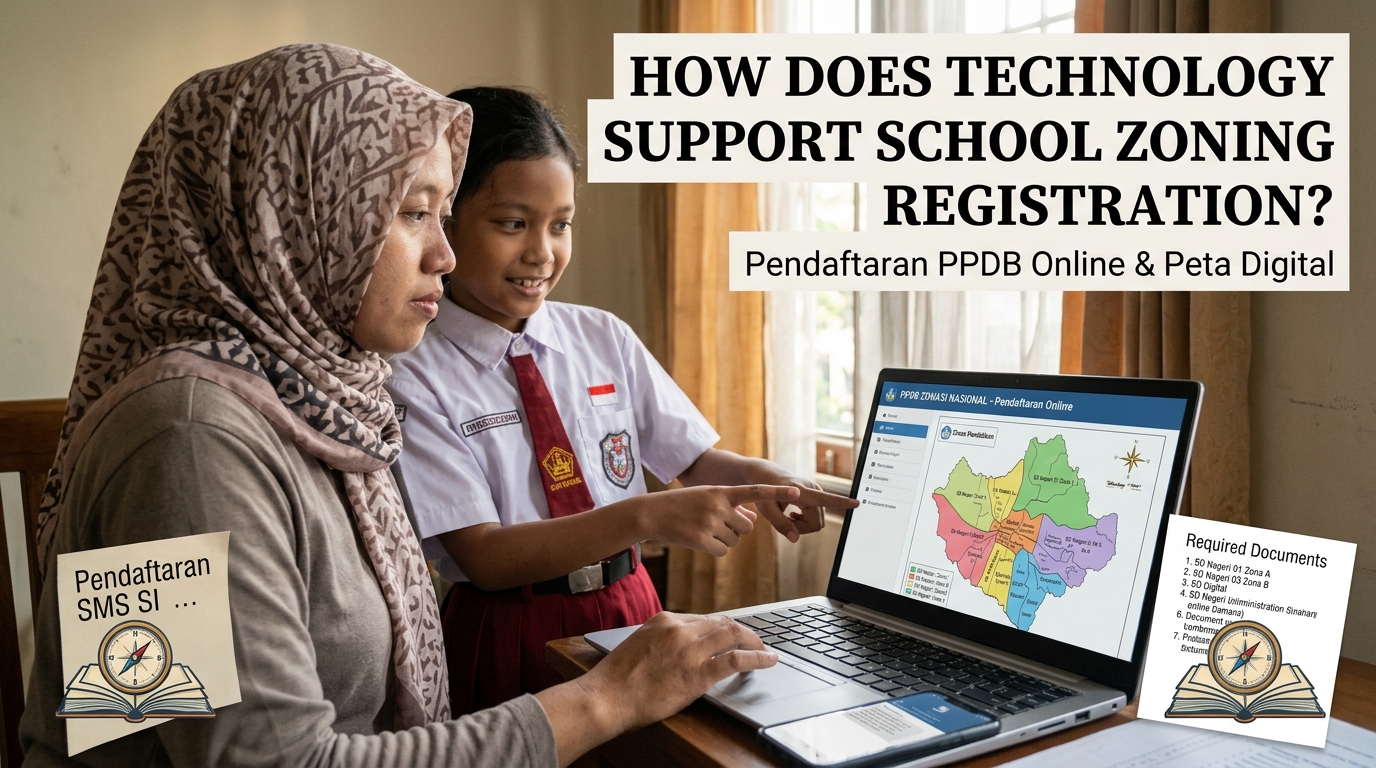
Technology plays an important role in making school zoning registration more accessible, organized, and efficient. Through online platforms, digital documents, and information systems, parents can complete many registration steps without visiting schools repeatedly. Technology can also help education authorities manage applications and verify information more systematically. However, the effectiveness of these tools depends on reliable internet access, accurate data, and clear procedures. Digital registration can simplify school zoning, but it must remain accessible to families with different levels of technological access.
MAKING ONLINE REGISTRATION EASIER
One major benefit of technology is that it allows parents to register students through an online admission platform when the local system provides this option. Applicants can enter personal information, select available schools, and submit required documents through a website or digital service. This can reduce the need to travel to school offices just to submit paperwork. Online systems may also provide registration confirmations and updates about application status. As a result, families can manage many admission tasks more conveniently.
However, online registration still requires careful preparation. Parents must follow the official instructions, enter accurate information, and upload readable documents in the required format. A slow internet connection or technical problem may interrupt the process. Families should save confirmation details and check official announcements in case further action is needed. A clear and reliable registration platform can make the process easier for both applicants and school administrators.
VERIFYING RESIDENTIAL INFORMATION DIGITALLY
School zoning often relies on a student's registered place of residence, so accurate address information is essential. Digital systems can help admission authorities compare submitted details with authorized population records where such integration is available. This may make it easier to identify missing information or inconsistencies that require further review. It can also reduce some manual administrative work. Digital verification supports more consistent document checks, but it does not replace the need for proper procedures and human review when necessary.
Not every region uses the same verification technology or database connections. Some authorities may still require additional documents or manual confirmation. Parents should therefore follow the exact residence requirements stated in the official admission announcement. They must provide truthful information and should not assume that an online form automatically confirms eligibility. Accurate residential records and transparent verification rules are important for maintaining trust in the admission process.
IMPROVING APPLICATION DATA MANAGEMENT
Technology helps schools and education authorities organize large numbers of applications. A digital database can store registration details, track application progress, and help staff identify incomplete submissions. Authorized administrators may use these records to review applicant numbers and compare them with available school places. Organized data can also help reduce repetitive paperwork and make reporting more efficient. Effective data management supports better planning during the admission period.
Nevertheless, digital records must be maintained carefully. Incorrect data entry, duplicate applications, or outdated information can affect administrative decisions if they are not identified. Access to personal information should be restricted to authorized personnel, and systems should follow relevant data protection requirements. Authorities should also maintain procedures for correcting errors and handling technical failures. Accurate records, secure access, and regular checks help make digital registration more dependable.
PROVIDING REAL-TIME INFORMATION AND UPDATES
Official websites and digital announcement channels can help parents access important admission information. These platforms may publish registration dates, eligibility requirements, document checklists, school options, and selection announcements. Some systems also allow applicants to check the status of their submissions. Timely updates can reduce uncertainty and help families complete each stage within the required period. Accessible and current information is essential for preventing confusion during school zoning registration.
Parents should still confirm that the information comes from an official source. Unverified social media posts or outdated articles may contain incorrect schedules or requirements. If information differs between sources, families should consult the relevant education authority or official registration platform. They should also monitor announcements in case the authority publishes corrections or additional instructions. Reliable digital communication helps families make informed decisions and meet important deadlines.
SUPPORTING TRANSPARENCY IN SCHOOL ADMISSION
Technology can improve transparency by recording application submissions and helping authorities track administrative procedures. Digital systems may make it easier to document when an application was received and whether required information has been provided. Where results and selection criteria are published online, parents can review official announcements without relying entirely on informal information. These features can help schools communicate decisions more consistently. Transparent digital procedures can strengthen public confidence in school admission.
However, technology alone cannot guarantee fairness. A system may still produce problems if the selection rules are unclear, the data are inaccurate, or applications are processed inconsistently. Authorities must explain how selection decisions are made and provide accessible channels for questions, corrections, and complaints. They should also review system performance and investigate reported errors appropriately. Fairness depends on both reliable technology and accountable administration.
ADDRESSING THE DIGITAL ACCESS GAP
Although digital registration offers many advantages, not every family has a reliable internet connection, a suitable device, or the skills needed to use online platforms. These barriers can make registration more difficult for families in remote areas or those with limited technological resources. If online access is the only practical option, some applicants may struggle to complete the process. Digital inclusion should therefore be part of school admission planning.
Education authorities can help by providing registration assistance at schools or designated service centers where permitted. They can publish simple instructions, offer help desks, and ensure that websites work on commonly used devices. Clear guidance should also be available for parents who have difficulty uploading documents or checking application status. Any alternative registration arrangements must follow the applicable rules and deadlines. Accessible support and user-friendly systems help ensure that technology does not create unnecessary barriers to education.
PROTECTING STUDENT DATA AND SYSTEM SECURITY
School registration platforms may collect personal details, residential information, and education records. This information must be handled responsibly because unauthorized access or misuse can affect students and their families. Authorities should use appropriate security measures, restrict access to authorized personnel, and follow applicable data protection requirements. Parents should also use official websites and avoid sharing passwords or sensitive information through unofficial channels. Data privacy and cybersecurity are essential parts of a trustworthy registration system.
Technology systems also need maintenance and backup procedures to reduce the impact of technical failures. Authorities should provide clear instructions for reporting errors and explain what applicants should do if a platform becomes unavailable. Security practices must be reviewed regularly as systems and potential risks change. Schools and service providers should communicate responsibly about any issue that affects registration. A secure and resilient digital system helps protect student information and supports a more reliable admission process.
THE ROLE OF TECHNOLOGY IN INDONESIAN SCHOOL ADMISSION
In Indonesia, school admission follows the applicable Sistem Penerimaan Murid Baru (SPMB) framework, with detailed procedures determined by current national regulations and local education policies. Digital tools may be used to support registration, document submission, information sharing, and application monitoring. The exact platform and verification methods can differ between regions and education levels. Parents should therefore follow instructions published by their local education authority rather than assuming every area uses the same system. Official guidance remains the main reference for current requirements and procedures.
Technology is most effective when it supports clear rules and accessible public services. Education authorities need to maintain accurate information, provide assistance for applicants who face digital barriers, and protect personal data. Schools should communicate deadlines and requirements clearly and help families understand each stage of the process. Regular evaluation can reveal whether digital services are actually reducing administrative difficulties. Combining technology with human support can make school zoning registration more efficient and inclusive.
CONCLUSION
Technology supports school zoning registration by simplifying online applications, assisting document verification, organizing admission data, and improving access to official information. It can also strengthen transparency when systems record submissions and communicate decisions clearly. However, digital access, data accuracy, privacy, and system reliability must be addressed to ensure that every family can participate fairly. In Indonesia, applicants should follow the latest SPMB guidance from the relevant education authority. Ultimately, technology works best when it is supported by clear admission rules, secure systems, and practical assistance for parents and students.
Recent Posts

Bagaimana Sistem SKS pada Program Kuliah... 22.11.2026/56 View

How Does Technology Make Daily Evaluation... 21.11.2026/86 View

Apa Strategi Menghadapi Kesenjangan antara Kompetensi... 21.11.2026/84 View

Mengapa Inventaris Aset Penting bagi Kelancaran... 21.11.2026/82 View

When Should Musicians Join a Record... 21.11.2026/86 View
