

How Does the Dapodik System Manage Educational Data in Indonesia?
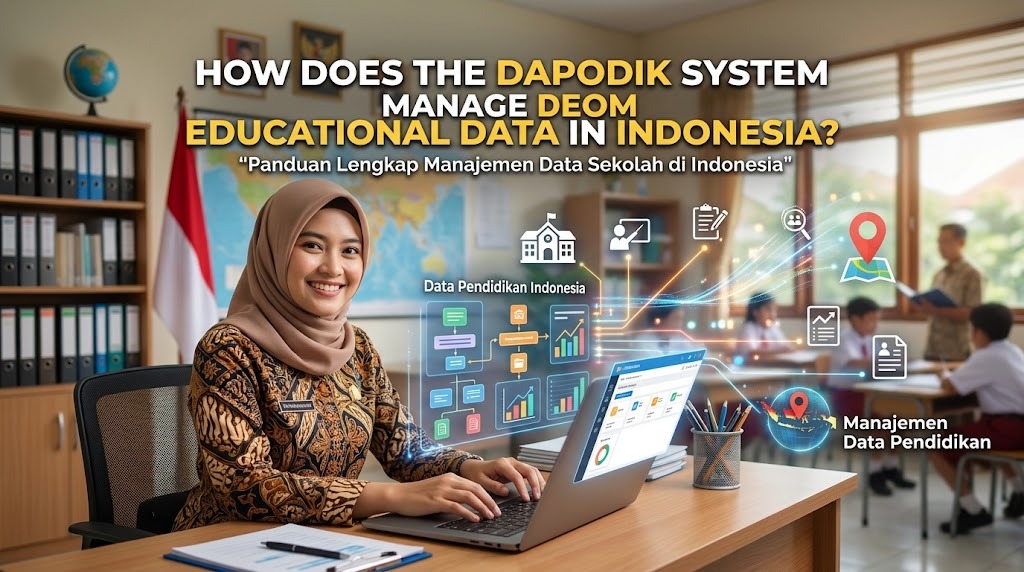
Managing educational data is essential for improving school administration and supporting effective government policies. In Indonesia, the Data Pokok Pendidikan (Dapodik) system serves as a national platform for collecting and managing information about schools, students, teachers, education personnel, and educational facilities. The system helps ensure that educational information is organized, regularly updated, and available for authorized administrative purposes. Its data supports education planning, program implementation, and policy evaluation. Understanding how Dapodik manages educational data can help schools recognize the importance of accurate reporting and responsible information management.
UNDERSTANDING THE DAPODIK DATA SYSTEM
Dapodik is Indonesia’s national education data collection system managed by the Ministry of Primary and Secondary Education. It gathers information from educational institutions and organizes it into a structured database. Schools are responsible for entering and updating their information through authorized accounts and established procedures. The collected data covers school identities, student enrollment, teacher records, learning activities, and educational infrastructure. According to the ministry, Dapodik provides an important foundation for education planning, implementation, evaluation, and policy development.
HOW SCHOOLS COLLECT EDUCATIONAL DATA
The data management process begins at the school level, where authorized school operators coordinate with principals, teachers, and administrative personnel. They gather information from school records and supporting documents, including student registration documents, teacher employment records, and facility inventories. The information is then entered into the Dapodik application according to the relevant data fields and requirements. Schools must ensure that the information reflects actual conditions and is supported by appropriate documentation. This first stage is important because errors in the original records can affect subsequent verification and data use.
DATA ENTRY AND ORGANIZATION
After collecting the necessary information, school operators enter it into the Dapodik application. The system organizes the records into categories, making it easier to manage information about educational institutions, students, teachers, learning groups, and facilities. Related records can be connected so that school information can be understood in context rather than as separate entries. For example, student records are associated with the relevant school and learning group. This structured approach helps schools maintain consistent records and supports the wider integration of educational information.
DATA VALIDATION AND VERIFICATION
Data validation helps identify incomplete entries, inconsistent information, and errors that may need correction. Application validation rules can alert operators to certain problems before data is submitted. Additional verification may be required to confirm identities, supporting documents, qualifications, or other information against relevant official records. The Ministry’s education data verification services include checks involving student identities and education personnel records. However, passing an application validation check does not automatically prove that every detail is factually correct. Schools must still review their records and resolve discrepancies through the appropriate procedures.
DATA SYNCHRONIZATION WITH THE CENTRAL SYSTEM
Once school records have been updated and checked, operators submit the data through the application’s synchronization process. Synchronization transfers the latest school data to the central Dapodik system so that it can be processed and used according to applicable procedures. The process helps keep the national database aligned with information submitted by individual schools. Operators should confirm that synchronization has completed successfully and follow up on any errors or outstanding issues. Because application versions and technical requirements can change, schools should use the current official application and guidance.
TYPES OF EDUCATIONAL DATA MANAGED BY DAPODIK
Dapodik manages several categories of information needed to understand school conditions and educational needs. These categories help authorities analyze the distribution of students, educators, learning resources, and infrastructure across different areas. The main types include:
- School data: Institutional identity, location, and administrative information.
- Student data: Student identities, enrollment details, and education records.
- Teacher and staff data: Employment information, qualifications, and other professional records.
- Learning data: Class groups, learning arrangements, and related educational information.
- Infrastructure data: Buildings, classrooms, land, equipment, and other school facilities.
The completeness of these records affects how effectively educational needs can be assessed. Therefore, schools need to review each category regularly and update information when circumstances change.
HOW DAPODIK DATA SUPPORTS EDUCATION POLICIES
The government uses Dapodik data to support education planning and the administration of relevant programs. Information about student enrollment, staffing, and school facilities can help authorities estimate needs and identify areas requiring additional support. Dapodik data is also used in processes related to programs such as School Operational Assistance and the Smart Indonesia Program, subject to the requirements of each program. Accurate records can improve the quality of planning and help reduce inconsistencies in administrative decisions. However, Dapodik registration alone does not guarantee eligibility for funding or benefits, because separate criteria and verification procedures may apply.
THE ROLE OF SCHOOL OPERATORS IN DATA MANAGEMENT
School operators play an important role in maintaining the quality of Dapodik information. Their responsibilities generally include collecting records, entering information, reviewing validation messages, synchronizing data, and coordinating corrections with school leaders and relevant staff. They must also follow official procedures when updating sensitive information. Effective coordination is necessary because operators may depend on teachers, students, parents, or administrative personnel to provide accurate supporting details. Regular training and careful documentation can help operators perform their responsibilities more efficiently and consistently.
CHALLENGES IN MANAGING DAPODIK DATA
Schools may encounter several challenges when managing educational information. Incomplete documents, incorrect personal details, duplicate records, unstable internet connections, and application errors can interrupt the update process. Differences between school records and official population or employment data may also require further verification. To address these problems, schools should review information before submission, maintain organized supporting documents, and consult official technical guidance. When an issue cannot be resolved by the school operator, the school can contact the relevant education office or official Dapodik support service.
DATA SECURITY AND PERSONAL INFORMATION PROTECTION
Because Dapodik contains personal information about students and education personnel, security is an essential part of data management. Access should be limited to authorized users, and account credentials should not be shared with unauthorized individuals. Schools should handle identity numbers, addresses, family documents, and other sensitive information only through legitimate procedures. The Ministry has emphasized that student data entry must be performed by educational institutions through authorized official accounts and supported by the appropriate administrative process. Responsible data handling helps protect privacy and maintain trust in the national education system.
CONCLUSION
The Dapodik system manages educational data through a process of collection, entry, validation, synchronization, and ongoing updating. Schools serve as the primary source of information, while authorized systems and verification procedures help maintain consistency and reliability. The resulting data supports education planning, school administration, and the implementation of relevant government programs. To keep the system useful, schools must ensure that records are accurate, current, properly documented, and securely handled. Effective Dapodik management therefore depends on both reliable technology and responsible cooperation among school personnel and education authorities.
Recent Posts

Bagaimana Sistem SKS pada Program Kuliah... 22.11.2026/50 View

How Does Technology Make Daily Evaluation... 21.11.2026/79 View

Apa Strategi Menghadapi Kesenjangan antara Kompetensi... 21.11.2026/79 View

Mengapa Inventaris Aset Penting bagi Kelancaran... 21.11.2026/75 View

When Should Musicians Join a Record... 21.11.2026/80 View
