

How Does the Dapodik System Support Educational Planning in Indonesia?
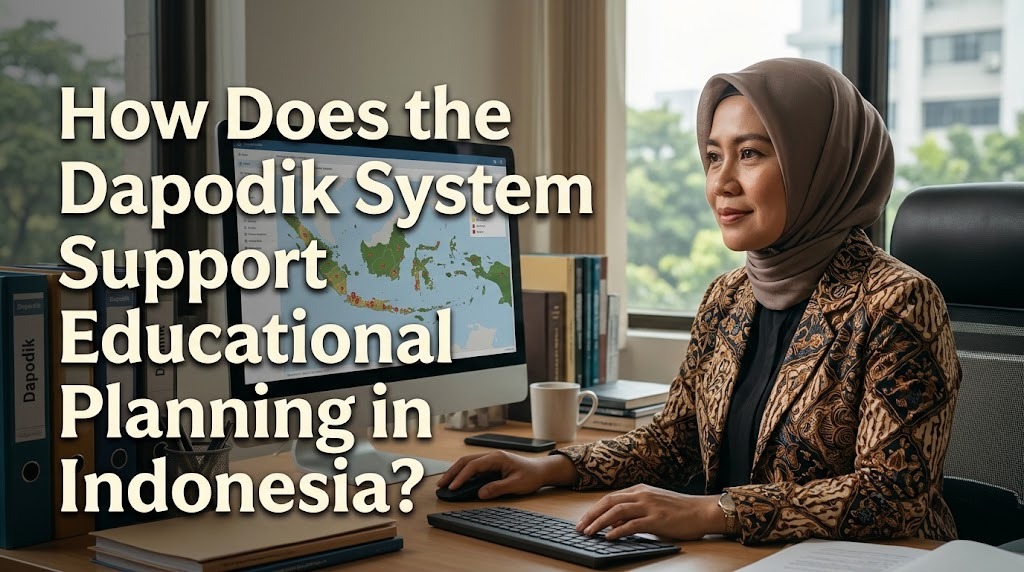
Educational planning is essential for improving the quality of schools and ensuring that students receive appropriate learning opportunities. In Indonesia, the Data Pokok Pendidikan, commonly known as Dapodik, plays an important role in providing educational data for planning and decision-making. The system collects information about schools, students, teachers, education staff, and learning facilities. This information helps the government understand the actual conditions of educational institutions across the country. By using accurate and updated data, educational authorities can identify needs, establish priorities, and develop programs that support better education.
UNDERSTANDING THE DAPODIK SYSTEM IN INDONESIA
Dapodik is an integrated education data system used to collect and manage basic information about educational institutions in Indonesia. It includes data on student enrollment, teacher availability, school facilities, learning activities, and institutional conditions. Schools update their information through designated school operators to ensure that the data reflects current circumstances. The collected information supports educational administration at different levels, from individual schools to government institutions. As a result, Dapodik serves as an important foundation for understanding the condition of the national education system.
The system also helps create more consistent educational data across institutions. Standardized information makes it easier for authorities to compare conditions between schools, regions, and educational levels. However, the quality of planning depends on how accurately schools enter and update their information. Incorrect, incomplete, or outdated records can affect the reliability of the resulting analysis. Therefore, regular data verification is necessary to maintain the usefulness of Dapodik for educational planning.
PROVIDING ACCURATE DATA FOR EDUCATIONAL POLICY
One of the main ways Dapodik supports educational planning is by providing information that policymakers can use when developing education programs. Government institutions need reliable data to understand student populations, teacher distribution, school conditions, and educational needs. Dapodik helps provide this information so that decisions can be based on documented conditions rather than assumptions alone. For example, student enrollment data can help authorities estimate the demand for classrooms, teachers, and learning materials. This information supports the development of policies that respond more effectively to the needs of schools and communities.
Reliable data also helps policymakers evaluate existing educational conditions and identify areas that require improvement. When information is available across different regions, authorities can examine differences in school resources and educational capacity. These findings can inform decisions about infrastructure development, teacher recruitment, and learning support programs. Nevertheless, Dapodik data must be interpreted alongside relevant regulations, budget limitations, and local conditions. Combining these factors allows educational policies to become more realistic and responsive.
SUPPORTING TEACHER DISTRIBUTION AND WORKFORCE PLANNING
Teachers are essential to educational quality, making workforce planning a major responsibility for education authorities. Dapodik provides information about teachers, their assignments, and staffing conditions in schools. This information can help authorities identify schools that may experience teacher shortages or uneven staff distribution. It also supports the assessment of workforce needs when planning recruitment, placement, and professional development programs. With better information, education authorities can work toward a more balanced distribution of teachers across different areas.
Teacher-related data can also contribute to administrative processes that depend on verified employment and assignment information. Schools need to ensure that teacher records are accurate and reflect actual working conditions. Errors in employment status, teaching assignments, or other records may create difficulties when authorities assess staffing requirements. For this reason, school operators and relevant education offices must coordinate to maintain reliable information. Accurate teacher data helps strengthen workforce planning and supports efforts to provide students with appropriate learning opportunities.
IMPROVING SCHOOL INFRASTRUCTURE AND FACILITY PLANNING
School infrastructure directly influences the quality and accessibility of education. Dapodik records information about educational facilities and school conditions, helping authorities understand the resources available to different institutions. Depending on the data collected, this information can help identify schools that need classroom improvements, additional learning spaces, or better supporting facilities. Authorities can use these findings when establishing infrastructure priorities and preparing development programs. This approach helps connect school improvement plans with documented needs.
Facility planning is especially important in areas experiencing population growth or limited access to educational services. Information about student enrollment and school capacity can help authorities assess whether existing facilities are sufficient. When combined with field inspections and regional development plans, Dapodik data can support decisions about school expansion, rehabilitation, and resource allocation. However, recorded information should be verified when necessary because database entries may not fully describe the physical condition of a building. Accurate records and direct assessments together provide a stronger basis for infrastructure planning.
HELPING GOVERNMENT ALLOCATE EDUCATION RESOURCES
Educational resources, including funding, learning materials, and infrastructure support, must be distributed according to established priorities and applicable regulations. Dapodik provides important information that can help government institutions understand the needs of schools and determine where support may be required. Student numbers, staffing conditions, and facility information can contribute to planning and administrative verification for certain education programs. This can help authorities develop a clearer picture of resource requirements across different institutions. As a result, educational planning can become more organized and responsive to actual school conditions.
However, Dapodik does not independently determine every funding allocation or guarantee that a school will receive particular assistance. Each program may have its own eligibility criteria, administrative procedures, budget limits, and verification requirements. Schools must therefore ensure that their information is complete and accurate while following the relevant regulations. Education authorities also need to review the data before making decisions. When reliable data is combined with transparent procedures, resource planning can become more accountable and effective.
IDENTIFYING EDUCATIONAL GAPS BETWEEN REGIONS
Educational conditions can differ considerably between urban, rural, and remote areas of Indonesia. Some schools have sufficient classrooms and teachers, while others face limitations in facilities, staffing, or access to learning resources. Dapodik helps provide information that can be used to examine these differences and identify potential gaps in educational services. Authorities can use such information to determine which schools or regions may require additional attention. This supports planning that considers local needs instead of applying identical solutions to every area.
Identifying educational gaps is an important step toward improving equal access to education. For example, information about enrollment and available facilities may help authorities recognize schools where capacity needs further assessment. Teacher data can also contribute to identifying staffing challenges in certain locations. Nevertheless, meaningful comparisons require consistent data collection and careful interpretation of regional circumstances. By combining Dapodik information with local assessments, policymakers can develop more appropriate strategies to reduce educational inequality.
SUPPORTING MONITORING AND EVALUATION OF EDUCATION PROGRAMS
Educational planning does not end when a policy or program is introduced. Authorities must also monitor implementation and evaluate whether their actions address the intended needs. Dapodik can support this process by providing school information that helps establish a picture of educational conditions over time. Updated records may help authorities assess changes in enrollment, staffing, and facilities. These insights can contribute to identifying issues that require further investigation or adjustments to existing programs.
Monitoring and evaluation become more useful when schools update their data consistently and authorities compare information with clear program objectives. For instance, changes in teacher availability or school facilities may provide useful context when reviewing education development initiatives. However, Dapodik alone cannot measure every aspect of educational quality, such as student understanding, teaching effectiveness, or classroom engagement. Additional indicators, school visits, and learning assessments are needed to obtain a more complete evaluation. Using multiple sources of evidence helps decision-makers understand both administrative conditions and actual learning outcomes.
IMPROVING DATA ACCURACY FOR BETTER EDUCATIONAL PLANNING
The effectiveness of Dapodik depends heavily on the accuracy, completeness, and timeliness of the information recorded. School operators play an important role in entering and updating institutional data, while school leaders and relevant authorities help verify its correctness. Regular checks can reduce duplicate records, incorrect entries, and inconsistencies between reported information and actual school conditions. Schools should also coordinate with teachers and administrative staff when updating records that require confirmation. These practices help maintain data quality and improve the reliability of planning decisions.
Technology and administrative procedures can support more efficient data management, but human oversight remains necessary. Schools should follow official data collection schedules, review important records before submission, and correct identified errors promptly. Education authorities also need to communicate requirements clearly and provide appropriate assistance to school operators. When these responsibilities are carried out consistently, Dapodik becomes a more dependable source of educational information. Better data quality ultimately supports more informed decisions and more effective education development across Indonesia.
CONCLUSION
The Dapodik system supports educational planning in Indonesia by providing essential information about students, teachers, schools, and educational facilities. Its data helps authorities develop policies, assess workforce needs, plan infrastructure improvements, identify regional disparities, and support resource allocation. The system also contributes to monitoring educational conditions and reviewing the implementation of development programs. However, its effectiveness depends on accurate records, regular updates, appropriate verification, and careful interpretation. By maintaining high data quality and combining Dapodik information with other relevant assessments, Indonesia can strengthen evidence-based educational planning and work toward more equitable and effective learning opportunities.
Recent Posts

Bagaimana Sistem SKS pada Program Kuliah... 22.11.2026/50 View

How Does Technology Make Daily Evaluation... 21.11.2026/79 View

Apa Strategi Menghadapi Kesenjangan antara Kompetensi... 21.11.2026/79 View

Mengapa Inventaris Aset Penting bagi Kelancaran... 21.11.2026/75 View

When Should Musicians Join a Record... 21.11.2026/80 View
