

How Does the General Elections Commission Address Election Related Misinformation?
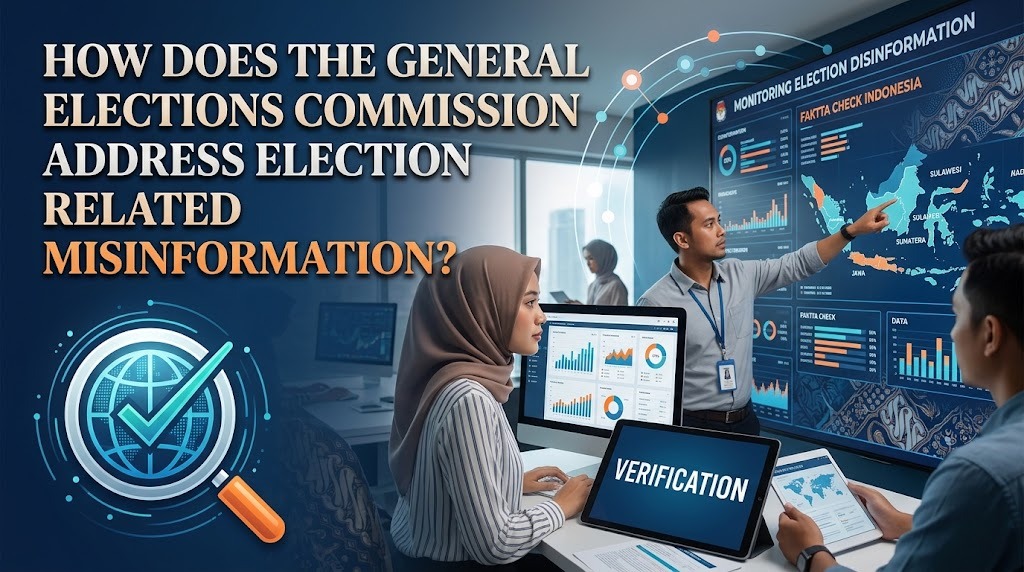
Election-related misinformation is one of the major challenges facing democratic institutions in the digital era. False information about candidates, political parties, voting procedures, and election results can influence public opinion and create confusion among voters. In Indonesia, the General Elections Commission (KPU) has an important role in providing accurate election information and helping the public distinguish official announcements from misleading content.
The rapid growth of social media and digital communication platforms makes misinformation easier to spread. A misleading message can reach thousands of people within a short period, potentially affecting public trust in the electoral process. To address this problem, the KPU provides official information, strengthens public education, coordinates with relevant institutions, and encourages citizens to verify information before sharing it. These efforts help maintain transparency and protect the integrity of Indonesian democracy.
UNDERSTANDING ELECTION-RELATED MISINFORMATION
Election-related misinformation refers to inaccurate, misleading, or unverified information connected to electoral activities. It may involve false claims about candidates, manipulated voting information, misleading campaign messages, or incorrect announcements about election results. Such information can spread through social media, messaging applications, websites, and other communication channels.
Misinformation can create serious problems because voters may make political decisions based on inaccurate information. It can also increase public distrust toward election organizers and encourage unnecessary conflict between different political groups. In some cases, deliberately created and distributed false information is categorized as disinformation. Understanding the difference between accidental misinformation and intentional disinformation helps institutions develop more appropriate responses to these threats.
PROVIDING ACCURATE INFORMATION THROUGH OFFICIAL CHANNELS
One of the KPU's important efforts to address misinformation is providing reliable information through official communication channels. The institution publishes election schedules, voter registration procedures, candidate information, voting instructions, and official announcements through its websites and verified communication platforms. These resources give citizens access to information that can be checked against misleading claims circulating online.
The KPU also uses public information services to respond to questions and clarify misunderstandings about election procedures. Information must be communicated in clear and accessible language so that people from different educational and social backgrounds can understand it. Consistent communication helps prevent confusion and reduces opportunities for false information to influence public perceptions. Citizens are encouraged to prioritize official KPU announcements when checking important election-related information.
MONITORING SOCIAL MEDIA AND DIGITAL INFORMATION
Social media has become one of the main channels through which election information reaches the public. Platforms such as Facebook, Instagram, TikTok, YouTube, and other digital services allow information to spread quickly across different communities. Although these platforms provide opportunities for political participation, they can also become channels for false claims, manipulated images, and misleading election narratives.
The KPU can strengthen its communication and monitoring efforts by identifying misleading information related to its responsibilities and issuing official clarifications. However, handling harmful digital content also requires cooperation with institutions that have specific legal and technical authority. The Ministry of Communication and Digital Affairs and other relevant agencies can contribute through digital content monitoring, public clarification, and enforcement of applicable regulations. This cooperation helps prevent misinformation from spreading without replacing the legal responsibilities of each institution.
STRENGTHENING PUBLIC EDUCATION AND DIGITAL LITERACY
Public education is an important long-term strategy for reducing the impact of election-related misinformation. The KPU can provide educational activities that explain election procedures, voting rights, candidate information, and the importance of obtaining news from reliable sources. These activities help citizens understand how elections work and recognize information that may be misleading.
Digital literacy also plays an important role in helping voters evaluate information before accepting or sharing it. Citizens should examine the source of a message, check its publication date, compare information with official announcements, and avoid sharing content that cannot be verified. Educational institutions, community organizations, journalists, and families can support these efforts by encouraging responsible digital behavior. A well-informed public is less likely to be influenced by false information during election periods.
COORDINATING WITH ELECTION SUPERVISORS AND OTHER INSTITUTIONS
Addressing election misinformation requires cooperation between multiple institutions because different types of violations fall under different legal authorities. The KPU can provide accurate information about election procedures, while the Election Supervisory Agency (Bawaslu) supervises election implementation and handles suspected election violations within its authority. This cooperation helps ensure that misinformation-related concerns are directed to the appropriate institutions.
The KPU can also coordinate with law enforcement agencies, digital communication authorities, and other relevant organizations when false information involves suspected legal violations. Journalists and independent fact-checking organizations can contribute by investigating claims and publishing evidence-based explanations. Effective coordination allows misleading information to be addressed more quickly and helps protect the credibility of election activities. Each institution must perform its responsibilities according to applicable laws and regulations.
ENCOURAGING PUBLIC PARTICIPATION AND RESPONSIBLE INFORMATION SHARING
The public has an important responsibility in preventing the spread of election-related misinformation. Citizens should avoid immediately believing or forwarding messages that contain shocking claims, unverified accusations, or unclear sources. Checking information before sharing it can prevent unnecessary confusion and protect other people from being misled.
Voters can also participate by reporting suspicious election-related content through appropriate official channels. Community discussions, public awareness campaigns, and educational activities can encourage people to exchange information responsibly. Political parties, candidates, and public figures should also communicate honestly and avoid spreading unverified claims that could damage democratic participation. Collective responsibility helps create a healthier information environment during elections.
CONCLUSION
The General Elections Commission addresses election-related misinformation by providing accurate information, strengthening public education, improving digital communication, and coordinating with election supervisors and other relevant institutions. These efforts help citizens understand election procedures and distinguish official announcements from misleading content.
However, preventing misinformation cannot depend on the KPU alone. Public participation, responsible social media use, independent journalism, and digital literacy are equally important in protecting the quality of democratic information. Through cooperation and transparent communication, Indonesia can reduce the negative effects of misinformation and maintain public trust in its electoral system.
Recent Posts

Bagaimana Sistem SKS pada Program Kuliah... 22.11.2026/47 View

How Does Technology Make Daily Evaluation... 21.11.2026/74 View

Apa Strategi Menghadapi Kesenjangan antara Kompetensi... 21.11.2026/75 View

Mengapa Inventaris Aset Penting bagi Kelancaran... 21.11.2026/72 View

When Should Musicians Join a Record... 21.11.2026/75 View
