

How Does the General Elections Commission Determine Official Election Results?
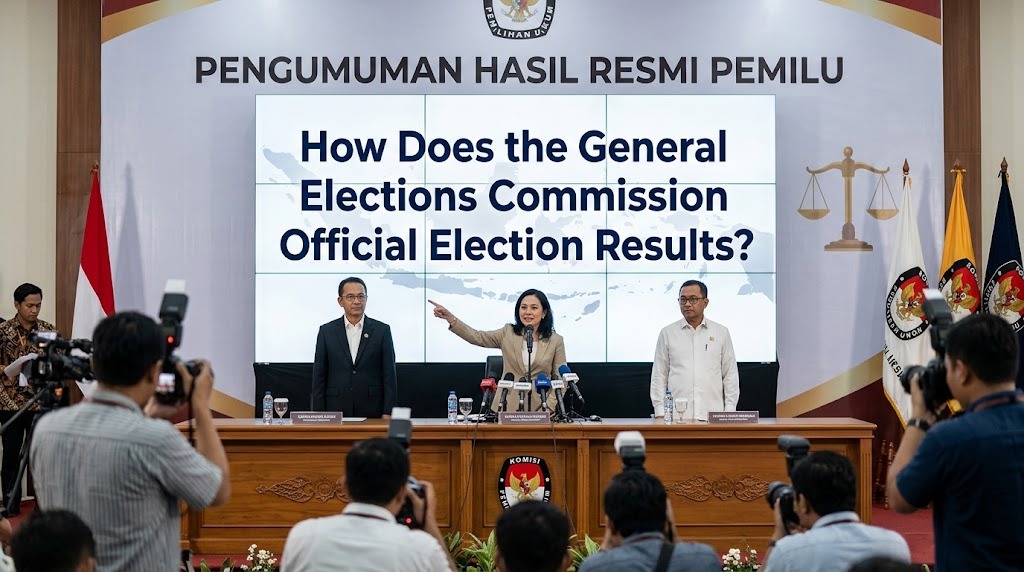
Determining official election results is one of the most important responsibilities of the General Elections Commission (KPU) in Indonesia. After citizens cast their votes, the KPU must ensure that every ballot is counted, recorded, and processed according to applicable election regulations. This process determines the official number of votes received by political parties and candidates competing in the election.
The determination of election results involves several stages, starting from vote counting at polling stations and continuing through administrative levels until national recapitulation is completed. The KPU must maintain accuracy, transparency, and accountability throughout these procedures. These principles are essential because official election results determine political representation and leadership while reflecting the choices made by Indonesian voters.
UNDERSTANDING THE OFFICIAL ELECTION RESULTS PROCESS
Official election results are the legally recognized outcomes of an election determined through established counting and recapitulation procedures. They show the number of votes received by each candidate or political party and provide the basis for determining election winners. In Indonesia, the KPU is responsible for managing this process according to election legislation.
The process does not begin with the announcement of national results but starts immediately after voting activities end at polling stations. Election officers count ballots and record the results in official documents. These records are then processed through several administrative levels to ensure that the figures are properly checked and consolidated. This gradual process helps maintain consistency and allows discrepancies to be identified before the final results are announced.
COUNTING VOTES AT POLLING STATIONS
The first major stage in determining election results is counting ballots at polling stations throughout Indonesia. After voting ends, the Voting Station Working Committee (KPPS) opens the ballot boxes and begins examining the ballots according to established procedures. Each ballot is classified as valid or invalid before the votes are calculated and recorded.
The counting process is conducted openly so that authorized witnesses, election supervisors, and permitted observers can monitor the activities. The results are documented in official polling station forms, including the vote-counting record known as Formulir C.Hasil. These documents provide important evidence of the votes received by each election participant. Accurate recording at this stage is essential because the information becomes the foundation for subsequent recapitulation.
CONDUCTING GRADUAL VOTE RECAPITULATION
After counting is completed at polling stations, the results enter a gradual vote recapitulation process. This process generally begins at the district level through the District Election Committee (PPK), then continues through the Regency or City KPU and Provincial KPU before reaching the national level when applicable. Each institution has specific responsibilities for consolidating and verifying election results within its administrative authority.
During recapitulation, election officers examine the submitted documents and compare the recorded figures to identify possible differences. Authorized witnesses and election supervisors can monitor the process and raise objections according to applicable procedures. If discrepancies are discovered, they must be addressed through the established mechanisms and documented appropriately. This process helps ensure that the final results accurately reflect the votes recorded at polling stations.
VERIFYING AND VALIDATING ELECTION DATA
Data verification is essential to ensure that official election results are accurate and reliable. The KPU examines vote-counting documents, recapitulation records, and other supporting information submitted by election organizers. This examination helps identify calculation mistakes, inconsistent figures, incomplete documentation, or other administrative problems that may affect the results.
The verification process also involves comparing information from different administrative levels. If an error is identified, election organizers must follow the correction procedures established by election regulations. Digital information systems can support this work by helping officers organize and review election data more efficiently. However, official documents and legally established procedures remain essential in determining the validity of election results.
ANNOUNCING OFFICIAL ELECTION RESULTS
After the required recapitulation and verification stages are completed, the KPU determines the official election results through a formal decision. For national elections, the central KPU announces the results according to the deadlines and procedures established by law. Regional election results are determined by the relevant regional KPU according to its legal authority.
The official announcement contains important information about the votes obtained by election participants and the outcomes of the electoral process. These results become the legal basis for subsequent procedures, including the determination of elected candidates and the handling of election-related disputes. The KPU also provides public access to relevant election information through its official communication channels. This transparency allows citizens, political parties, journalists, and other stakeholders to understand and monitor the final outcomes.
HANDLING OBJECTIONS AND MAINTAINING PUBLIC TRUST
Even when election procedures are carefully implemented, disagreements about vote counting or election results may still occur. Political parties and candidates who believe that violations or irregularities have affected the results can use the available legal mechanisms to challenge them. These disputes must be handled by authorized institutions according to the applicable laws and regulations.
The KPU must maintain accurate documentation and provide the information required for the resolution of election disputes. Meanwhile, the Constitutional Court (Mahkamah Konstitusi) has the authority to examine disputes concerning general election results within its constitutional jurisdiction. Cooperation between election organizers, supervisory institutions, and judicial bodies helps ensure that disagreements are addressed through lawful procedures. Public access to accurate information also plays an important role in strengthening confidence in the final election results.
CONCLUSION
The General Elections Commission determines official election results through a series of procedures involving polling station vote counting, gradual recapitulation, data verification, and formal result announcements. Every stage must follow applicable election regulations to ensure that the final figures accurately represent the votes cast by citizens.
Transparency, accurate documentation, independent supervision, and legal accountability are essential for maintaining the integrity of election results. Although administrative errors and disputes may occur, established verification and dispute resolution mechanisms help protect the credibility of the process. Through professional election management, the KPU supports democratic representation and strengthens public trust in Indonesia's electoral system.
Recent Posts

Bagaimana Sistem SKS pada Program Kuliah... 22.11.2026/47 View

How Does Technology Make Daily Evaluation... 21.11.2026/74 View

Apa Strategi Menghadapi Kesenjangan antara Kompetensi... 21.11.2026/75 View

Mengapa Inventaris Aset Penting bagi Kelancaran... 21.11.2026/72 View

When Should Musicians Join a Record... 21.11.2026/75 View
