

How Does the General Elections Commission Ensure Transparency in Vote Counting?
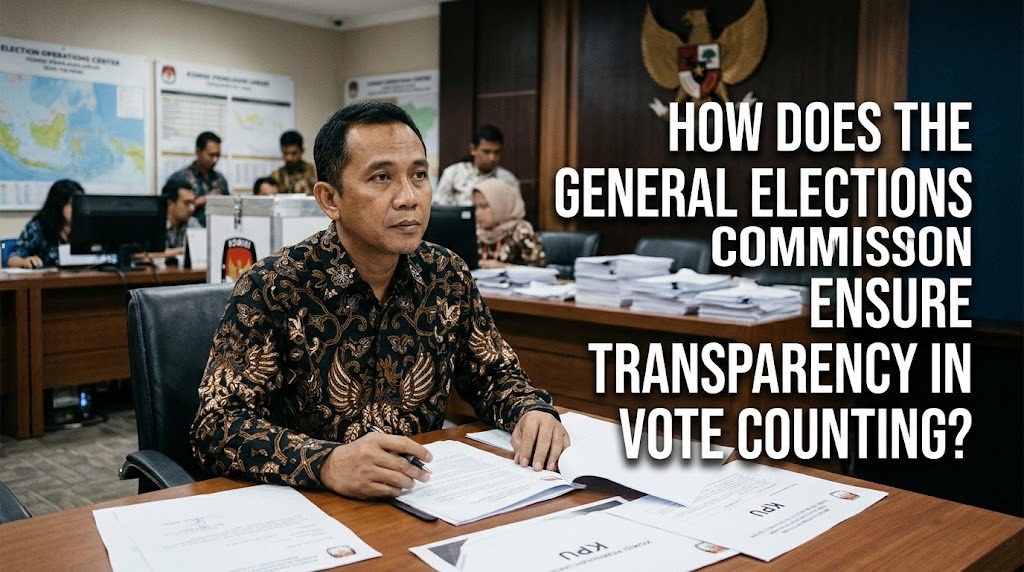
Transparency in vote counting is one of the most important elements of a fair and democratic election. In Indonesia, the General Elections Commission (KPU) is responsible for organizing the vote-counting process according to established laws and regulations. This responsibility ensures that every vote cast by citizens is properly recorded, calculated, and included in the official election results.
The KPU applies several procedures to maintain transparency, including open vote counting at polling stations, documenting results, involving election witnesses, and providing public access to election information. These procedures help prevent manipulation, reduce administrative errors, and strengthen public confidence in the electoral process. By combining clear regulations, supervision, and digital technology, the KPU works to ensure that election results accurately reflect the choices of voters.
ESTABLISHING CLEAR VOTE COUNTING PROCEDURES
The KPU establishes technical procedures that guide election officers during the vote-counting process. These regulations explain how ballots must be examined, classified, counted, and recorded after voting activities have ended. Clear procedures help ensure that vote counting is conducted consistently across polling stations throughout Indonesia.
Election officers must distinguish between valid and invalid ballots according to applicable regulations. Every vote must be counted carefully, and the results must be recorded in official election documents. These procedures also establish responsibilities for officers involved in the counting process. By applying standardized rules, the KPU helps reduce confusion, administrative mistakes, and opportunities for irregularities.
CONDUCTING OPEN VOTE COUNTING AT POLLING STATIONS
One important way to maintain transparency is by conducting vote counting openly at polling stations. After voting ends, election officers begin counting ballots according to the established schedule and procedures. The process is conducted in a manner that allows authorized witnesses, election supervisors, and members of the public to observe it.
Open counting allows interested parties to monitor how ballots are classified and how votes are calculated. This visibility helps prevent unauthorized changes and provides opportunities to identify possible mistakes during the process. Election officers must also ensure that every ballot is handled carefully and that the final calculations match the recorded information. Through public observation, the KPU supports a more accountable and trustworthy election process.
INVOLVING ELECTION WITNESSES AND SUPERVISORY AGENCIES
Election witnesses play an important role in monitoring vote counting and protecting the interests of election participants. Political parties and candidate representatives can assign authorized witnesses to observe the counting process at polling stations. Their presence allows them to examine the procedures, compare recorded results, and raise objections when they identify problems.
The Election Supervisory Agency (Bawaslu) also has an essential responsibility in overseeing election activities. Its officials monitor whether vote counting follows applicable regulations and can take action according to their legal authority when violations are discovered. Cooperation between election organizers, witnesses, and supervisors helps strengthen accountability. This involvement ensures that vote counting is not conducted without observation or appropriate oversight.
DOCUMENTING AND VERIFYING VOTE COUNTING RESULTS
Accurate documentation is essential for ensuring that election results can be checked and verified. After ballots are counted, election officers record the results in official forms, including the polling station vote-counting documents. These records provide important evidence of the number of votes received by each election participant.
The results are then processed through a gradual vote recapitulation system, beginning at polling stations and continuing through higher administrative levels according to election regulations. During this process, the recorded figures are checked and compared to identify possible differences or administrative errors. If discrepancies are discovered, they must be addressed through the procedures established by law. Proper documentation makes it easier to trace election results and maintain public confidence in the final calculations.
USING DIGITAL TECHNOLOGY TO SUPPORT TRANSPARENCY
Digital technology helps the KPU provide faster access to election information and support the documentation of vote-counting results. One example is SIREKAP (Recapitulation Information System), which has been used to document and publish polling station vote-counting information. Through this platform, members of the public can access available election data and compare information with official documents.
However, digital systems must be understood according to their actual legal functions. SIREKAP supports transparency and information publication, but its displayed data does not automatically replace the legally established vote-counting and recapitulation procedures. The KPU must ensure that digital information is accurate, accessible, and properly managed. Strong cybersecurity and technical supervision are also necessary to prevent system disruptions and unauthorized changes.
PROVIDING PUBLIC ACCESS AND HANDLING ELECTION DISPUTES
Public access to election information is another important element of transparent vote counting. The KPU provides election-related announcements and information through official websites, public information services, and other communication channels. These resources allow citizens, journalists, researchers, and civil society organizations to monitor the progress of the electoral process.
When disagreements or suspected irregularities arise, they must be addressed through the appropriate legal mechanisms. Election participants can submit objections or pursue dispute resolution according to the applicable regulations. The KPU must provide accurate documentation and explanations within its legal responsibilities. Meanwhile, authorized supervisory and judicial institutions handle disputes according to their respective powers. This system helps ensure that election-related problems are addressed through accountable procedures rather than unsupported accusations.
CONCLUSION
The General Elections Commission ensures transparency in vote counting through clear regulations, open counting procedures, election witnesses, supervisory oversight, accurate documentation, and public access to election information. Each mechanism plays an important role in protecting the integrity of votes and ensuring that election results are calculated according to established procedures.
Digital technology also supports transparency by making election information easier to access and monitor. However, technology must be accompanied by proper verification, cybersecurity, and compliance with legal requirements. Through professional election management and cooperation with the public and supervisory institutions, the KPU can strengthen electoral accountability and maintain public trust in Indonesian democracy.
Recent Posts

Bagaimana Sistem SKS pada Program Kuliah... 22.11.2026/47 View

How Does Technology Make Daily Evaluation... 21.11.2026/74 View

Apa Strategi Menghadapi Kesenjangan antara Kompetensi... 21.11.2026/75 View

Mengapa Inventaris Aset Penting bagi Kelancaran... 21.11.2026/72 View

When Should Musicians Join a Record... 21.11.2026/75 View
