

How Does the General Elections Commission Organize Fair and Transparent Elections?
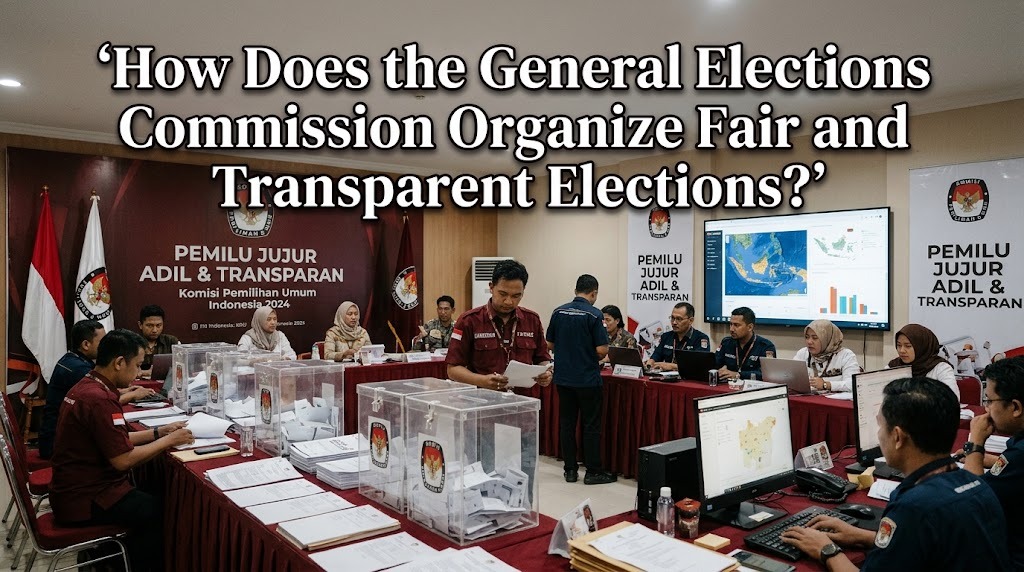
The General Elections Commission (KPU) plays an essential role in organizing fair, transparent, and democratic elections in Indonesia. As an independent institution, the KPU is responsible for ensuring that every stage of the electoral process follows applicable laws and regulations. Its responsibilities include preparing election schedules, registering voters, verifying election participants, managing voting procedures, and announcing official election results.
Fair and transparent elections are important because they allow citizens to exercise their voting rights without discrimination, intimidation, or manipulation. The KPU must ensure that every eligible voter has equal opportunities to participate in the election process. Through professional management, public information services, and cooperation with election supervisors, the KPU works to maintain public trust and protect the integrity of Indonesian democracy.
ESTABLISHING CLEAR AND FAIR ELECTION REGULATIONS
One of the first steps taken by the KPU to organize fair elections is establishing clear regulations and technical procedures. These rules serve as guidelines for election organizers, political parties, candidates, and voters. The regulations cover various aspects, including election schedules, candidate registration, campaign activities, voting procedures, and vote counting.
The KPU must ensure that these regulations are implemented consistently across all regions in Indonesia. Every election participant should receive equal treatment and have the same opportunity to compete according to applicable requirements. Clear regulations also help prevent misunderstandings, reduce administrative errors, and minimize opportunities for unfair practices during elections.
ENSURING ACCURATE AND INCLUSIVE VOTER REGISTRATION
Accurate voter registration is another important factor in creating fair elections. The KPU coordinates with relevant government institutions to collect, verify, and update population data before establishing the Permanent Voter List (DPT). This process aims to ensure that eligible Indonesian citizens are registered and can exercise their voting rights at the appropriate polling stations.
The KPU also needs to pay attention to citizens who may face difficulties accessing voter registration services. These include people living in remote areas, persons with disabilities, and communities with limited access to public information. Providing accessible information and opportunities to correct voter data helps prevent eligible citizens from losing their voting rights. Accurate voter records also reduce the risk of duplicate registrations and other administrative problems.
MAINTAINING NEUTRALITY AND EQUAL TREATMENT
The independence and neutrality of election organizers are essential for maintaining electoral fairness. The KPU must perform its responsibilities without favoring particular political parties, candidates, or groups. Election officials are expected to follow professional standards and avoid actions that could create conflicts of interest or undermine public confidence.
Equal treatment must also be applied throughout the election process. For example, political parties and candidates should receive the same opportunities to fulfill administrative requirements and participate in election activities. The KPU must apply established rules objectively and ensure that its decisions are based on applicable regulations rather than personal or political interests. This approach helps create a competitive environment in which election participants can gain public support fairly.
PROVIDING TRANSPARENT VOTING AND VOTE COUNTING PROCEDURES
Transparency during voting and vote counting allows the public to understand how election results are produced. On election day, the KPU organizes voting activities through polling stations distributed across the country. Voters are given the opportunity to cast their ballots confidentially, while election officers must follow established procedures to protect the integrity of the voting process.
After voting ends, ballots are counted according to official procedures. The process can be observed by authorized witnesses, election supervisors, and other parties permitted under election regulations. Vote counting results are recorded in official documents and processed through a gradual vote recapitulation system. By making relevant results accessible to the public, the KPU helps prevent misunderstandings and strengthens confidence in the accuracy of election outcomes.
USING TECHNOLOGY AND PUBLIC INFORMATION SERVICES
Digital technology supports the KPU in managing election information and improving transparency. The institution uses information systems to support voter data management, election administration, and the publication of election-related information. One example is the use of digital platforms that allow citizens to check voter registration information and access updates about election activities.
The KPU also provides public information through its official websites, announcements, and communication channels. These services help voters understand election procedures, schedules, candidate information, and other important details. However, digital information systems must be managed carefully to protect personal data, maintain system security, and prevent inaccurate information from spreading. Technology should support election management without replacing the legal procedures and verification processes required by election regulations.
STRENGTHENING PUBLIC OVERSIGHT AND ACCOUNTABILITY
Fair and transparent elections cannot be achieved by the KPU alone. Public oversight is important because citizens, journalists, civil society organizations, and election participants can help monitor the implementation of electoral activities. Their involvement can help identify potential irregularities and encourage election organizers to remain accountable.
The KPU also coordinates with the Election Supervisory Agency (Bawaslu), which has the authority to supervise elections and handle violations according to applicable laws. When problems arise, they must be addressed through the appropriate legal and administrative mechanisms. The KPU must also provide clear explanations about its decisions and election procedures. Strong cooperation between election organizers, supervisors, and the public helps create a more credible and trustworthy democratic process.
CONCLUSION
The General Elections Commission organizes fair and transparent elections through clear regulations, accurate voter registration, institutional neutrality, transparent vote counting, and accessible public information. Each stage must be conducted according to applicable laws to ensure that citizens and election participants receive equal treatment.
Technology, public oversight, and cooperation with election supervisors also contribute to improving election quality. Although challenges such as misinformation, geographical difficulties, and administrative errors may occur, the KPU must continue strengthening its professionalism and accountability. Through these efforts, Indonesia can maintain public trust, protect voting rights, and develop a stronger democratic system.
Recent Posts

Bagaimana Sistem SKS pada Program Kuliah... 22.11.2026/47 View

How Does Technology Make Daily Evaluation... 21.11.2026/74 View

Apa Strategi Menghadapi Kesenjangan antara Kompetensi... 21.11.2026/76 View

Mengapa Inventaris Aset Penting bagi Kelancaran... 21.11.2026/72 View

When Should Musicians Join a Record... 21.11.2026/76 View
