

How Does the General Elections Commission Use Digital Technology in Elections?
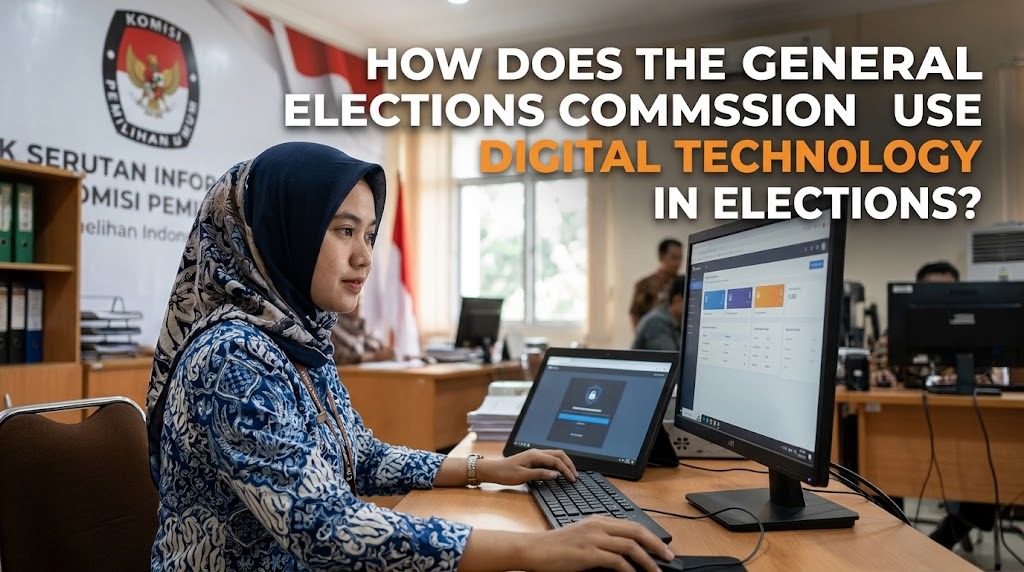
Digital technology has become an important part of modern election management in Indonesia. The General Elections Commission (KPU) uses various digital systems to support election administration, manage voter information, improve public services, and provide easier access to election-related information. These developments help the institution manage complex electoral activities across different regions more efficiently.
The use of technology also supports transparency, accuracy, and accountability throughout the election process. Through digital platforms, the public can access important information, political parties can manage administrative requirements, and election organizers can process data more systematically. However, digitalization also requires strong cybersecurity, reliable infrastructure, and proper data protection to ensure that technology supports rather than disrupts democratic elections.
THE ROLE OF DIGITAL TECHNOLOGY IN ELECTION MANAGEMENT
Digital technology helps the KPU manage election activities that involve millions of voters and numerous administrative processes. Previously, many election-related activities depended heavily on manual paperwork and physical document distribution. Digital systems make it easier to collect, store, process, and communicate information between election organizers at different administrative levels.
Technology also supports coordination between the central KPU and regional election offices. Information can be transmitted more efficiently, allowing election organizers to monitor administrative progress and identify potential problems. Although digital systems do not replace all manual procedures, they provide valuable support for improving the speed, organization, and consistency of election management.
USING DIGITAL SYSTEMS FOR VOTER DATA MANAGEMENT
One important application of technology in elections is managing voter registration information. The KPU uses digital data management systems to support the collection, verification, and updating of voter records. These systems help election organizers identify changes in voter information, reduce administrative duplication, and prepare the Permanent Voter List (DPT) more systematically.
Digital voter data management also makes coordination with relevant government institutions easier. Information can be compared and verified to identify possible inaccuracies, such as outdated addresses or duplicate records. However, voter information must be handled carefully because it contains personal data. The KPU must apply appropriate security measures and follow applicable data protection regulations to prevent unauthorized access or misuse.
IMPROVING ELECTION TRANSPARENCY THROUGH DIGITAL PLATFORMS
Digital platforms allow the public to obtain election information without having to visit KPU offices directly. Through official websites and online information services, citizens can access election schedules, voter registration information, candidate details, and other important announcements. This accessibility helps people understand election procedures and participate more actively in democratic activities.
The KPU also uses digital information systems to publish election-related data and support public monitoring. One example is the Sirekap (Recapitulation Information System), which has been used to support the documentation and publication of polling station vote-count results. Its information serves as supporting material for transparency and public access, while official election results must still follow the legally established manual and formal recapitulation procedures. This distinction is important to ensure that the public understands the role and limitations of digital election systems.
SUPPORTING POLITICAL PARTY ADMINISTRATION AND VERIFICATION
Technology also helps the KPU manage administrative requirements for political parties participating in elections. One example is the Political Party Information System (SIPOL), which supports the collection and management of information about political party membership and organizational structures. Through this system, political parties can submit relevant information electronically according to the registration procedures established by the KPU.
Digital administration makes it easier to organize large amounts of information and conduct preliminary document checks. Election organizers can use the available data to support administrative verification and identify information that requires further examination. Nevertheless, digital submissions do not automatically prove that every requirement has been fulfilled. The KPU must still conduct verification according to applicable regulations to ensure that political parties meet the necessary conditions.
SUPPORTING ELECTION LOGISTICS AND CANDIDATE REGISTRATION
Digital technology also helps the KPU manage election logistics and candidate registration. The Election Logistics Information System (SILOG) supports the management of election equipment, including monitoring the availability and distribution of ballot papers, ballot boxes, and other necessary materials. This system helps election organizers monitor logistical requirements and coordinate deliveries to different regions.
In addition, the Candidate Information System (SILON) supports the administration of candidate registration and related documents. It helps organize candidate information and manage administrative requirements during the nomination process. By using these digital systems, the KPU can improve coordination, reduce paperwork, and make election administration more organized. These applications also help officers monitor important information throughout different election stages.
ADDRESSING DIGITAL CHALLENGES AND STRENGTHENING DATA SECURITY
Although digital technology provides many benefits, its implementation also presents several challenges. One major problem is unequal internet access across Indonesia, particularly in remote areas where telecommunications infrastructure remains limited. Technical disruptions, server problems, and insufficient digital skills among election officers can also affect the effectiveness of information systems.
Another important concern is cybersecurity and personal data protection. Election information systems may contain sensitive information that must be protected against unauthorized access, manipulation, and cyberattacks. The KPU needs to strengthen system security, conduct regular evaluations, improve technical infrastructure, and provide digital training for election officers. Public digital literacy is equally important so that citizens can distinguish official election information from misleading content. By addressing these challenges, the KPU can ensure that digital technology contributes positively to a more reliable and transparent electoral system.
CONCLUSION
The General Elections Commission uses digital technology to improve election administration, manage voter information, support political party registration, publish election results, and organize election logistics. Systems such as SIDALIH, SIPOL, SIREKAP, SILON, and SILOG demonstrate how technology supports different stages of the electoral process.
Digitalization offers opportunities to make election management more efficient, accessible, and transparent. However, its success depends on reliable infrastructure, accurate data, cybersecurity, and the ability of election officers to use technology effectively. By continuously improving its digital systems while maintaining legal procedures and public accountability, the KPU can strengthen the quality of elections and public trust in Indonesian democracy.
Recent Posts

Bagaimana Sistem SKS pada Program Kuliah... 22.11.2026/47 View

How Does Technology Make Daily Evaluation... 21.11.2026/74 View

Apa Strategi Menghadapi Kesenjangan antara Kompetensi... 21.11.2026/75 View

Mengapa Inventaris Aset Penting bagi Kelancaran... 21.11.2026/72 View

When Should Musicians Join a Record... 21.11.2026/75 View
