

How Does the Government Set Spending Priorities During Budget Preparation?
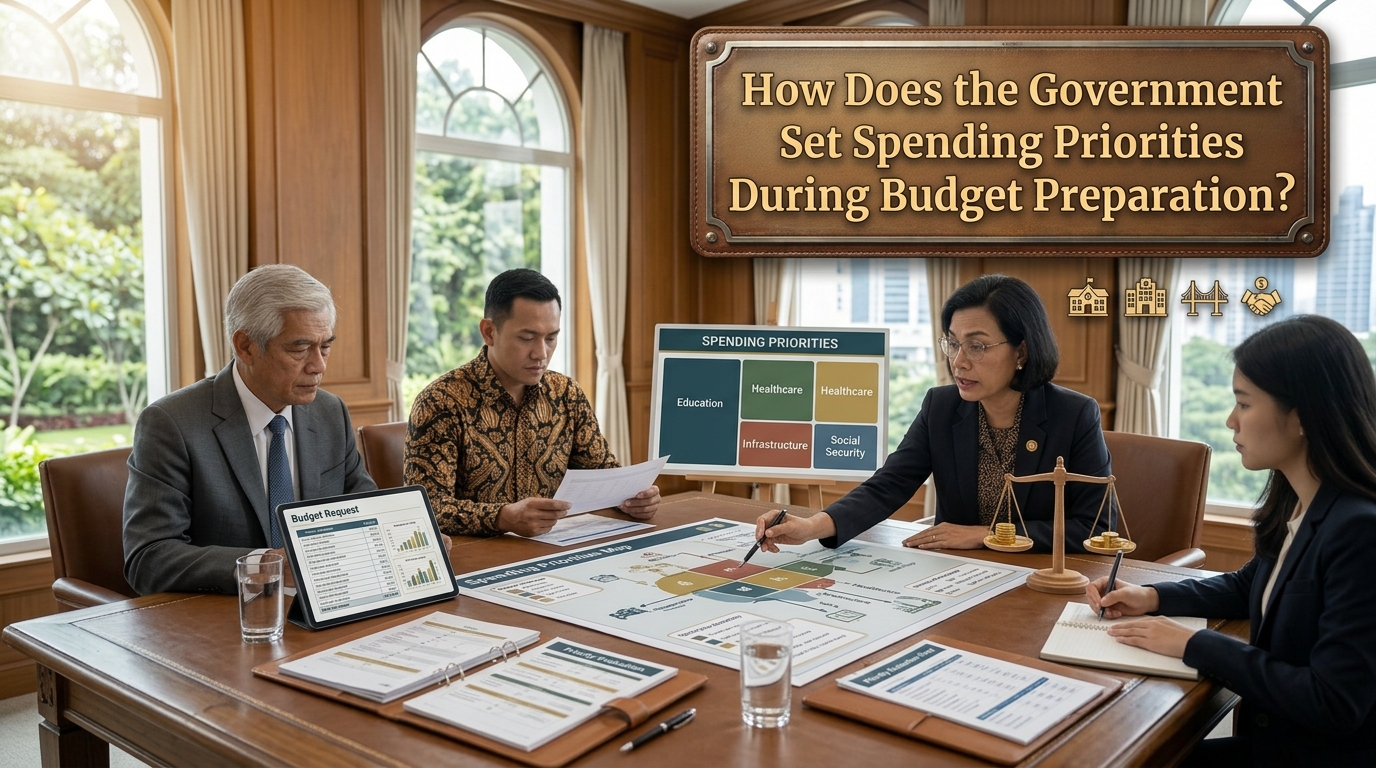
Government spending priorities determine how public money is distributed to meet a country's most important needs. During state budget preparation, the government must decide which programs deserve funding based on available revenue, economic conditions, and national development goals. These decisions affect essential services such as education, healthcare, infrastructure, public safety, and social assistance. Because financial resources are limited, the government cannot fund every proposal at the level requested. Therefore, setting spending priorities requires careful planning, reliable data, and transparent decision-making to ensure that public funds provide the greatest possible benefits.
IDENTIFYING NATIONAL NEEDS AND DEVELOPMENT GOALS
The first step in setting government spending priorities is identifying the country's most urgent needs. The government evaluates economic conditions, public service gaps, poverty levels, infrastructure requirements, and other development challenges. It also considers long-term goals, such as improving education quality, increasing employment opportunities, and strengthening economic competitiveness. These priorities help determine which programs should receive attention during the upcoming fiscal year. Through national development planning, the government can connect budget decisions with measurable objectives.
In Indonesia, national priorities are reflected in development planning documents, including the Government Work Plan (Rencana Kerja Pemerintah or RKP). The Ministry of National Development Planning, known as Bappenas, coordinates national development planning, while the Ministry of Finance handles important fiscal planning responsibilities. These institutions work together to align development targets with available financial resources. Government ministries and institutions then develop programs that support the established priorities. This coordination helps ensure that budget proposals contribute to a consistent national development strategy.
ASSESSING AVAILABLE REVENUE AND FINANCIAL RESOURCES
The government must understand its financial capacity before deciding how much to allocate to different programs. Its available resources depend on expected revenue from taxes, non-tax state revenue, grants, and other lawful sources. Officials also consider economic growth, inflation, commodity prices, and other factors that may influence government income. These estimates help establish realistic spending limits for the upcoming fiscal year. Accurate revenue forecasting is essential because spending commitments must be supported by a credible financing plan.
The government must also account for existing obligations, including public employee salaries, debt interest payments, and ongoing public services. These commitments can limit the amount of funding available for new initiatives. If expected revenue declines, some proposed programs may need to be adjusted or postponed. Governments may also consider financing options, while ensuring that borrowing remains manageable. By assessing fiscal capacity, the government can balance immediate public needs with long-term financial sustainability.
EVALUATING THE BENEFITS AND COSTS OF PROGRAMS
After identifying priorities and financial limits, the government evaluates proposed programs to determine which offer the greatest value. This assessment considers each program's expected benefits, implementation costs, target beneficiaries, and potential economic or social impact. For example, improving access to clean water may produce important public health benefits, while transportation infrastructure may reduce travel time and business costs. Programs should have clear objectives and realistic performance indicators. Cost-benefit analysis can help decision-makers compare alternatives and use public money more effectively.
The government also needs to consider whether proposed projects can be implemented successfully. A program with strong potential benefits may still require changes if the necessary staff, infrastructure, or technical resources are unavailable. Officials may review previous program results to identify successful approaches and avoid repeating ineffective spending. This process encourages evidence-based budgeting rather than relying only on assumptions or political preferences. It also helps ensure that funding decisions are based on practical needs and measurable outcomes.
PRIORITIZING ESSENTIAL PUBLIC SERVICES
Essential public services often receive significant attention during budget preparation because they directly affect people's daily lives. These services include education, healthcare, sanitation, public safety, and social protection. The government must ensure that basic services continue operating while addressing gaps in access and quality. For example, funding may be needed to improve school facilities, expand healthcare access, or support vulnerable households. Giving appropriate attention to these areas helps promote public welfare and more inclusive development.
Spending priorities should also reflect differences in regional needs and living conditions. Remote communities may require additional infrastructure, while areas affected by poverty may need stronger social assistance programs. The government must consider these differences when distributing limited resources across sectors and regions. At the same time, allocations should follow clear criteria so that similar needs are treated fairly. Equitable budget allocation helps reduce regional disparities and improve access to essential services.
CONSIDERING ECONOMIC CONDITIONS AND EMERGING RISKS
Economic conditions can change the government's spending priorities from one year to another. During periods of slow growth, the government may focus on supporting employment, maintaining essential services, and assisting households facing financial difficulties. When inflation increases, targeted support may be considered to help eligible groups manage rising living costs. Natural disasters, health emergencies, and global economic disruptions can also require additional funding. Therefore, economic risk assessment is an important part of responsible budget preparation.
The government should prepare for uncertainty by evaluating different economic scenarios. Revenue may be lower than expected, while the cost of public projects may increase because of inflation or supply disruptions. Identifying these risks early allows officials to establish contingency plans and avoid excessive financial commitments. However, emergency spending must still follow applicable laws and financial controls. Flexible fiscal planning helps governments respond to unexpected events without unnecessarily undermining long-term development goals.
COORDINATING GOVERNMENT INSTITUTIONS AND REVIEWING PROPOSALS
Setting spending priorities requires cooperation among government institutions because many development challenges involve several sectors. Ministries and government agencies submit budget proposals based on their responsibilities and planned programs. The Ministry of Finance reviews their financial requirements, while Bappenas helps assess alignment with national development objectives. Proposals may be revised when costs are excessive, objectives are unclear, or programs overlap. This coordination helps promote efficient public spending and reduces the risk of wasting resources.
In Indonesia, the government consolidates its proposed spending into the Draft State Budget, known as the Rancangan Anggaran Pendapatan dan Belanja Negara (RAPBN). The President submits the draft to the House of Representatives (DPR), which discusses the proposal and exercises its budgetary authority. Legislative review provides an opportunity to examine funding allocations and question the government's spending plans. The approved budget establishes the legal basis for government revenue and expenditure during the fiscal year. This process strengthens budget oversight and ensures that spending priorities receive appropriate scrutiny.
PROMOTING TRANSPARENCY AND PUBLIC PARTICIPATION
Transparency is important because government spending decisions affect citizens and businesses throughout the country. Publishing accessible budget information helps people understand which programs receive funding and why. Public consultations, research, and feedback from civil society organizations can also help policymakers identify community needs. These contributions may highlight problems that are not fully reflected in government statistics. Public participation can therefore improve the relevance and fairness of budget priorities.
Accountability must continue after spending decisions are approved. Government institutions should monitor program performance, report their financial results, and explain significant differences between planned and actual expenditure. Independent audits can help identify weaknesses in financial management and opportunities for improvement. The government can use these findings to revise future spending priorities. Through transparent budget management, public institutions can strengthen trust and demonstrate that public resources are being used responsibly.
CONCLUSION
The government sets spending priorities during budget preparation by identifying national needs, assessing available revenue, evaluating program benefits, and considering economic risks. It must balance essential public services with long-term development objectives while ensuring that spending remains financially sustainable. In Indonesia, coordination among the Ministry of Finance, Bappenas, government institutions, and the DPR helps shape and review the state budget. Transparency, public participation, and performance evaluation further improve the decision-making process. Ultimately, effective spending priorities help governments use limited public funds wisely, strengthen economic stability, and improve the welfare of their citizens.
Recent Posts

Bagaimana Sistem SKS pada Program Kuliah... 22.11.2026/47 View

How Does Technology Make Daily Evaluation... 21.11.2026/75 View

Apa Strategi Menghadapi Kesenjangan antara Kompetensi... 21.11.2026/76 View

Mengapa Inventaris Aset Penting bagi Kelancaran... 21.11.2026/73 View

When Should Musicians Join a Record... 21.11.2026/76 View
