

How Does The National Assessment Influence Student Character Building?
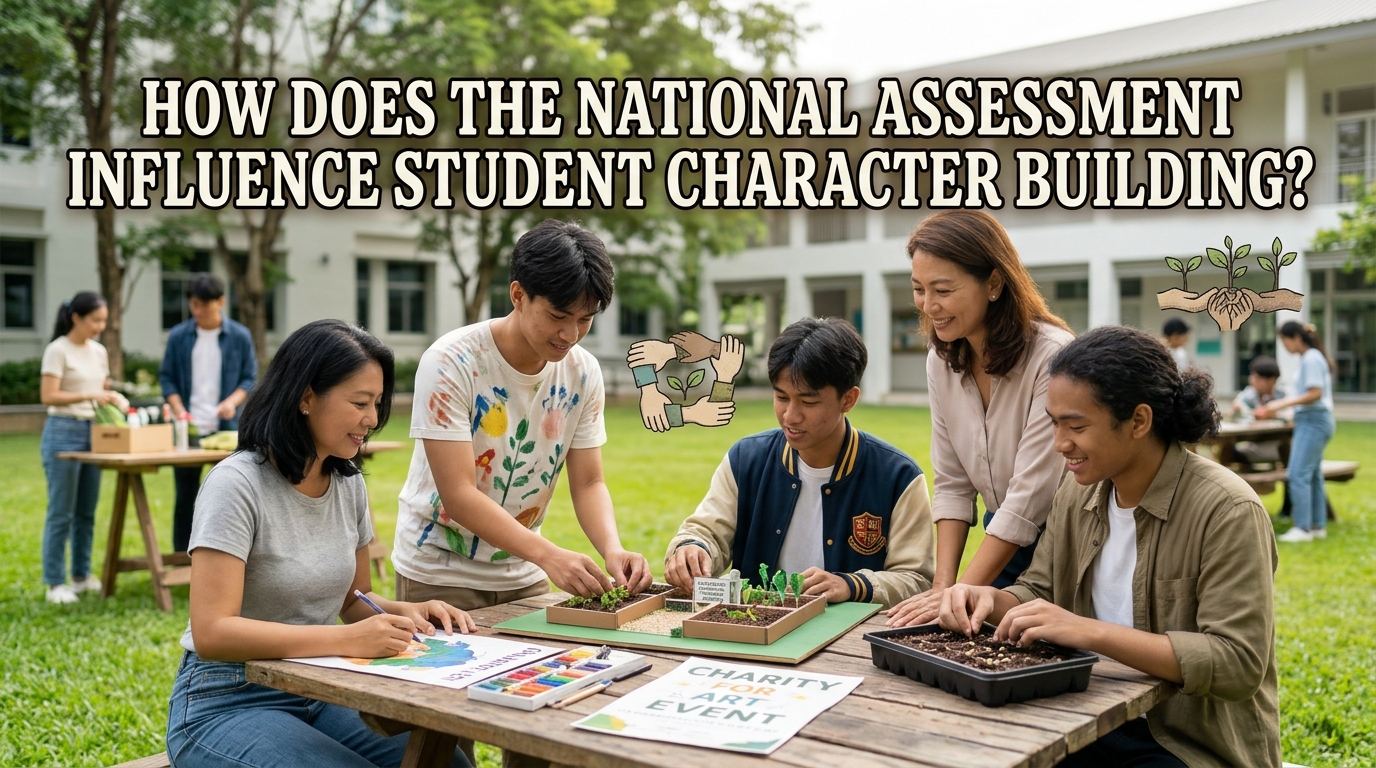
Modern educational systems increasingly recognize that true academic excellence encompasses holistic personal development rather than just cognitive test scores. Traditional examinations frequently ignored vital ethical values, focusing entirely on rote memorization and mechanical grade acquisition. By incorporating broader survey components into the national assessment, educational authorities actively evaluate school environments regarding moral integrity and inclusivity.
Consequently, schools are motivated to cultivate a well-rounded character building framework that nurtures social responsibility and emotional intelligence among students. This progressive shift ensures that institutional accountability measures reflect not only academic output but also the cultivation of virtuous, responsible citizens.
FOSTERING INTEGRITY THROUGH AUTHENTIC LEARNING
Standardized diagnostic evaluations compel educational institutions to eliminate dishonest academic practices and embrace genuine learning cultures. When assessments focus on complex critical thinking rather than predictable memorization, students learn to value honest intellectual effort over shortcuts. Teachers actively reinforce core values such as academic integrity and personal accountability during daily classroom instruction and formative checks.
This environment encourages learners to develop genuine confidence in their own analytical abilities without resorting to plagiarism or cheating. Ultimately, shaping honest assessment practices establishes a strong moral foundation that guides students throughout their future professional careers.
PROMOTING EMPATHY AND SOCIAL AWARENESS
Comprehensive national evaluations often include student environment surveys that measure interpersonal relationships and school climate dynamics. These detailed surveys prompt school administrators to evaluate how effectively their institutions foster social awareness and peer respect. When educators analyze this feedback, they can design targeted activities that encourage empathy, collaboration, and cultural tolerance.
Students learn to appreciate diverse perspectives, which significantly reduces bullying and creates a safer psychological environment for everyone. Therefore, large-scale educational feedback indirectly drives institutional programs that shape compassionate, community-oriented young individuals.
BUILDING RESILIENCE AGAINST ACADEMIC PRESSURE
Navigating modern educational challenges requires students to develop deep emotional resilience and adaptability in the face of complex problems. Because national assessments are designed as system diagnostics rather than punitive individual grading hurdles, they alleviate toxic test anxiety. Students can approach these evaluations with a growth mindset, viewing challenges as opportunities for self-improvement rather than threats.
Teachers use assessment data to guide learners gently, teaching them how to persevere through difficult analytical tasks without giving up. Cultivating this healthy psychological resilience prepares adolescents to handle future life obstacles with confidence and emotional maturity.
CONCLUSION
In conclusion, national assessments exert a profound and positive influence on student character building by encouraging holistic institutional growth. By prioritizing ethical integrity, social awareness, and emotional resilience alongside academics, these evaluations shape well-rounded individuals. Educational stakeholders must continue leveraging evaluation metrics to nurture both intellectual brilliance and strong moral foundations. Schools that embrace this balanced approach create safe environments where positive behavioral values thrive naturally. Ultimately, a comprehensive educational framework ensures that graduates emerge not only as smart thinkers, but also as compassionate and responsible global citizens.
Recent Posts

Bagaimana Sistem SKS pada Program Kuliah... 22.11.2026/53 View

How Does Technology Make Daily Evaluation... 21.11.2026/82 View

Apa Strategi Menghadapi Kesenjangan antara Kompetensi... 21.11.2026/81 View

Mengapa Inventaris Aset Penting bagi Kelancaran... 21.11.2026/77 View

When Should Musicians Join a Record... 21.11.2026/82 View
