

How Does The National Assessment Transform Classroom Learning Dynamics?
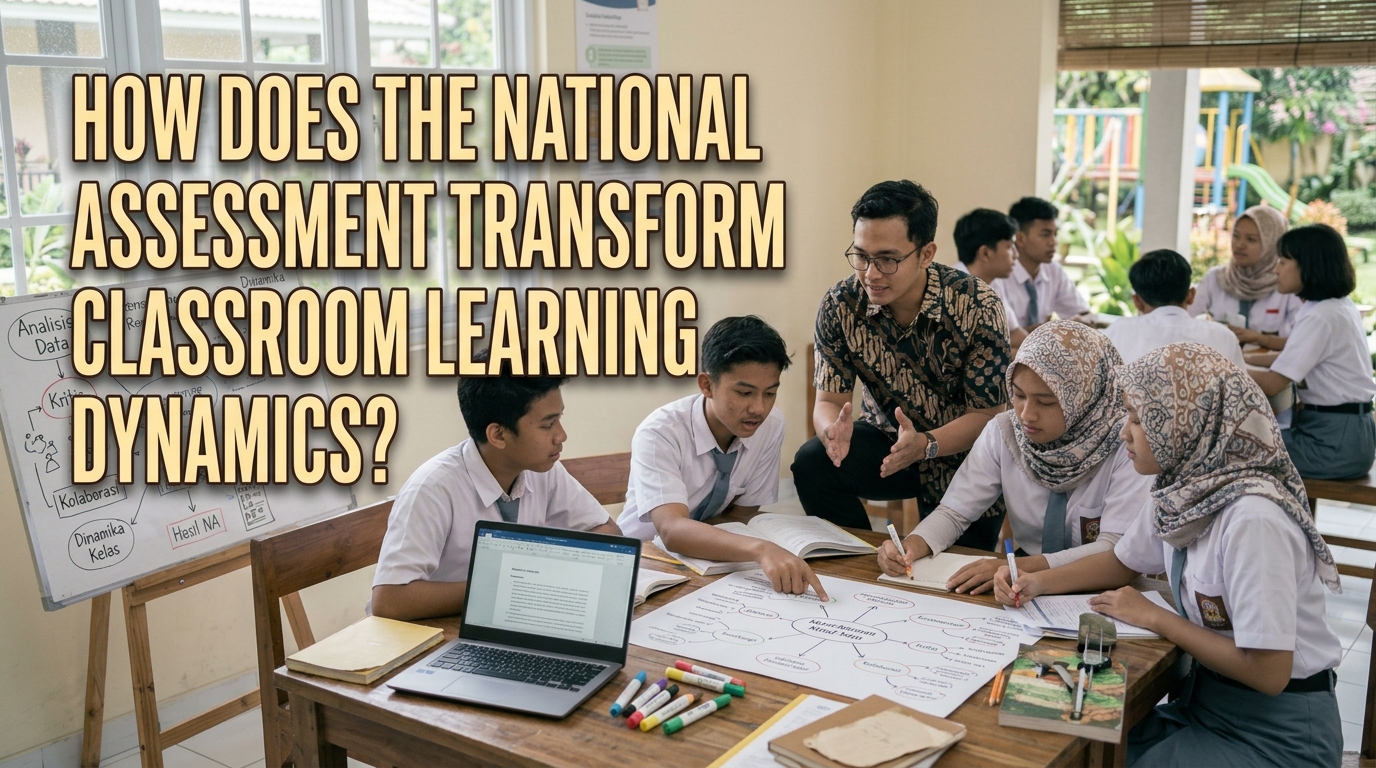
The implementation of the National Assessment has fundamentally shifted how daily education is conducted in schools across the country. By replacing traditional high-stakes exams with a competency-based evaluation model, the system alters how teachers teach and how students learn. Classrooms are no longer driven by endless test preparation or rote memorization of facts. Instead, modern educational spaces now emphasize active participation, analytical reasoning, and meaningful engagement. This article explores how these sweeping changes actively transform everyday classroom learning dynamics.
SHIFTING FROM ROTE MEMORIZATION TO CRITICAL THINKING
Traditional education models heavily relied on rote memorization to prepare pupils for high-stakes graduation examinations. The new assessment framework completely upends this practice by emphasizing higher-order thinking skills and cognitive flexibility. Students are now trained to analyze complex texts, evaluate arguments, and solve real-world problems independently. Consequently, educators design lessons that challenge learners to question assumptions rather than passively absorb information. This fundamental shift ensures that intellectual development remains at the core of modern classroom instruction.
Furthermore, teachers utilize inquiry-based methods to encourage deep conceptual understanding among all participants. Learners explore various perspectives and apply logical reasoning across multiple academic disciplines seamlessly. By moving away from rigid test drills, classrooms become vibrant spaces of intellectual curiosity. This transformation nurtures independent thinkers who can navigate complex information landscapes with absolute confidence.
EMPOWERING TEACHERS THROUGH EVIDENCE-BASED DATA
Modern evaluations provide educators with transparent data regarding student performance through comprehensive reporting platforms. Teachers no longer rely on guesswork to identify academic gaps within their specific classes. Instead, they access evidence-based performance insights that highlight exact areas requiring immediate instructional attention. This data-driven approach allows instructors to tailor their teaching strategies to match actual student needs. Consequently, daily lesson planning becomes far more targeted and clinically effective.
Armed with precise metrics, educators can adjust their pedagogical methods before learning gaps widen significantly. Professional collaboration among school staff also increases as teachers analyze shared evaluation outcomes together. This collaborative environment fosters continuous professional growth and instructional innovation across departments. Ultimately, data transparency empowers teachers to act as true facilitators of sustained academic improvement.
FOSTERING COLLABORATIVE AND INTERACTIVE LESSONS
Classroom environments have evolved from silent, lecture-dominated rooms into dynamic spaces of collaborative dialogue. Instructors frequently organize group projects that require students to communicate effectively and solve problems together. This interactive approach builds essential social skills alongside academic competencies in every learner. Students learn how to respect diverse opinions while defending their own analytical conclusions. Such collaborative tasks mirror real-world professional environments where teamwork and communication are paramount.
Moreover, active peer discussions stimulate deeper engagement with the subject matter being taught. Teachers guide these conversations rather than dictate absolute answers from the front of the room. This participatory structure ensures that every student feels valued and actively involved in the educational process. Consequently, classroom dynamics shift toward mutual respect and shared intellectual discovery.
REDUCING ACADEMIC PRESSURE AND ANXIETY
The elimination of high-stakes graduation exams has dramatically lowered stress levels for students. Learners no longer experience paralyzing anxiety over a single test score determining their entire academic future. This emotional relief creates a relaxed psychological atmosphere conducive to genuine learning and personal growth. When fear of failure diminishes, curiosity and genuine enthusiasm for learning naturally flourish. Students feel safe to make mistakes and learn from them without harsh penalization.
Teachers also benefit from this pressure-free environment by focusing on holistic student development. Classrooms become nurturing spaces where mental well-being is prioritized alongside academic achievement. A calm psychological state allows learners to absorb complex concepts with greater clarity and focus. Therefore, lower academic pressure directly enhances both student happiness and overall learning efficiency.
PROMOTING INCLUSIVE AND SAFE SCHOOL ENVIRONMENTS
Evaluation frameworks now explicitly measure school climate indicators to ensure physical and emotional safety. Educational institutions are held accountable for maintaining inclusive spaces free from bullying and discrimination. This strict focus encourages schools to implement robust anti-harassment policies and support systems. Consequently, classrooms evolve into welcoming environments where diversity is genuinely respected and celebrated. Every student enjoys equal access to quality learning opportunities regardless of background
Safe learning spaces directly influence daily classroom interactions by building deep mutual trust. When learners feel secure, they participate more freely in discussions and group activities. Teachers can dedicate their full attention to instruction without managing disruptive behavioral crises. Ultimately, safety and inclusivity form the essential bedrock for successful educational transformation nationwide.
CONCLUSION
In conclusion, the National Assessment transforms classroom learning dynamics by shifting focus toward critical thinking, empowering teachers with data, fostering interactive collaboration, reducing anxiety, and promoting inclusive environments. These structural changes ensure that daily instruction moves beyond superficial test preparation toward genuine intellectual growth. By prioritizing student well-being and analytical competence, modern educational systems successfully prepare learners for future societal challenges.
Recent Posts

Bagaimana Sistem SKS pada Program Kuliah... 22.11.2026/54 View

How Does Technology Make Daily Evaluation... 21.11.2026/83 View

Apa Strategi Menghadapi Kesenjangan antara Kompetensi... 21.11.2026/81 View

Mengapa Inventaris Aset Penting bagi Kelancaran... 21.11.2026/78 View

When Should Musicians Join a Record... 21.11.2026/82 View
