

How Does the Police Academy Build Discipline and Leadership Skills?
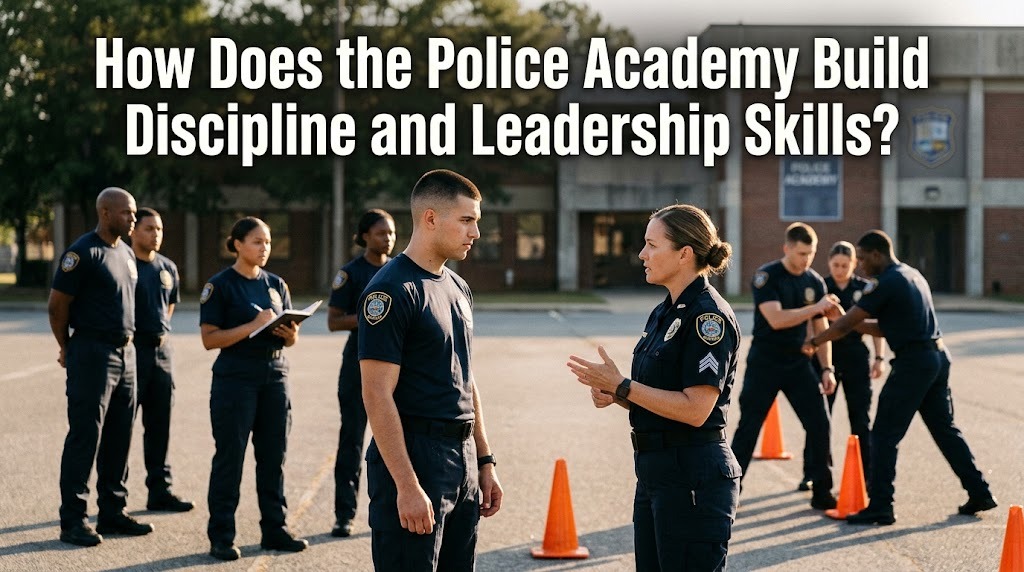
The Police Academy plays an important role in developing disciplined and capable police officers who can lead responsibly and serve the public effectively. Discipline and leadership are essential qualities in law enforcement because officers must follow legal procedures, make difficult decisions, and remain professional under pressure. Through structured education, physical training, teamwork, and character development, the academy prepares cadets to face the responsibilities of police service.
In Indonesia, the Indonesian Police Academy, known as Akademi Kepolisian (Akpol), helps prepare future commissioned officers for careers in the Indonesian National Police. Its educational approach combines academic learning with practical activities that encourage responsibility, integrity, and cooperation. By developing these qualities from the beginning of their training, the academy helps cadets build a strong foundation for their future careers.
ESTABLISHING DISCIPLINE THROUGH DAILY ROUTINES
Daily routines are one of the ways a police academy develops discipline among cadets. Structured schedules teach them to manage their time, arrive punctually, maintain personal standards, and complete assigned responsibilities. Cadets must learn to balance academic lessons, physical exercises, practical training, and personal duties. Following a consistent routine helps them develop habits that support reliability and self-control. Over time, these habits can prepare them to manage the demands of professional police work.
Discipline also involves understanding rules and recognizing why they exist. Cadets are expected to follow established procedures, respect others, and take responsibility for their actions. When mistakes occur, appropriate evaluation and corrective guidance can help them understand the consequences of their behavior. This process encourages them to improve rather than repeat the same mistakes. Effective discipline should develop sound judgment and personal responsibility, not merely obedience to instructions.
DEVELOPING LEADERSHIP THROUGH TEAMWORK
Teamwork provides cadets with opportunities to practice leadership and cooperation. During group activities, they learn to share responsibilities, coordinate tasks, and work toward common objectives. These experiences help them understand that successful leadership requires listening to others and recognizing the contributions of team members. Cadets also learn how to manage disagreements without allowing personal differences to interfere with their responsibilities. Such skills are important because police officers frequently work in teams when responding to incidents and carrying out operational duties.
Leadership development also teaches cadets how to guide others while maintaining mutual respect. They may be assigned supervised responsibilities that require planning, communication, and coordination. These activities help them understand how to give clear instructions and make decisions while considering the needs of their teams. They also learn that leaders must remain accountable for their actions and the responsibilities entrusted to them. Through repeated practice and feedback, cadets can gradually develop confidence and more effective leadership habits.
STRENGTHENING SELF-CONTROL THROUGH PHYSICAL TRAINING
Physical training helps cadets develop perseverance, self-control, and mental resilience. Activities such as running, endurance exercises, and structured physical challenges require consistent effort and commitment. Cadets learn to manage fatigue, maintain concentration, and continue working toward realistic goals. These experiences can help them become more prepared to handle demanding situations without reacting impulsively. Physical training also reinforces the importance of preparation, patience, and personal responsibility.
However, discipline in physical training must be supported by proper supervision and attention to safety. Cadets need to understand the importance of rest, recovery, hydration, and appropriate exercise techniques. They should also learn to recognize their physical limitations and respond responsibly when experiencing pain or exhaustion. Developing self-control means knowing when to persevere and when safety requires a different approach. These lessons help establish a balanced understanding of discipline that supports long-term professional performance.
TEACHING RESPONSIBILITY AND ACCOUNTABILITY
Responsibility is a fundamental part of leadership because police officers must be prepared to explain and justify their decisions. Police academies encourage cadets to complete assignments, follow procedures, and accept the consequences of their actions. Evaluations and supervised exercises help instructors assess whether cadets demonstrate reliability and professional conduct. When cadets make errors, constructive feedback can help them identify weaknesses and develop better habits. This process teaches them that responsibility involves both completing tasks and understanding the impact of their decisions.
Accountability is equally important when officers exercise authority over other people. Future officers must understand that their actions are subject to laws, regulations, and professional standards. They should be prepared to report mistakes honestly, respect legitimate oversight, and avoid abusing their positions. Leadership does not give someone permission to ignore rules or place personal interests above public responsibilities. By emphasizing accountability during training, the academy helps cadets understand the ethical expectations associated with police service.
BUILDING INTEGRITY AND PROFESSIONAL CHARACTER
Integrity helps ensure that discipline and leadership are used for the right purposes. Cadets need to understand the importance of honesty, fairness, respect, and impartiality in their future duties. Educational discussions, practical examples, and evaluations of conduct can help them recognize ethical challenges. They should learn to reject bribery, avoid conflicts of interest, and refuse to misuse police authority. These principles help establish professional standards that guide behavior even when supervision is limited.
Character development also encourages cadets to consider the effects of their decisions on the public. Officers may encounter stressful circumstances, conflicting demands, or situations in which the correct course of action is not immediately obvious. Strong ethical principles can help them evaluate these circumstances carefully and choose lawful, responsible responses. They must also recognize that public trust depends on consistent professional behavior, not simply on wearing a uniform or holding a position. By connecting integrity with everyday conduct, the academy helps prepare cadets for the moral responsibilities of police work.
IMPROVING DECISION MAKING UNDER PRESSURE
Police officers sometimes need to make important decisions quickly while facing uncertainty and pressure. Police academies can prepare cadets through simulations, scenario-based exercises, and practical problem-solving activities. These exercises encourage them to assess information, identify potential risks, and select actions that follow applicable laws and procedures. Cadets also learn to consider the safety of the public, their colleagues, and the people involved in an incident. Practicing these skills in controlled environments helps them develop more systematic decision-making habits.
Good leadership requires more than making quick decisions. Officers must be able to explain their reasoning, communicate clearly, and revise their approach when new information becomes available. Training and feedback can help cadets recognize the difference between confidence and impulsiveness. They also learn that seeking assistance when necessary is a responsible action rather than a sign of weakness. These lessons prepare future officers to approach difficult situations with greater composure, judgment, and accountability.
DEVELOPING COMMUNICATION AND CONFLICT RESOLUTION
Communication is essential for maintaining discipline and leading others effectively. Cadets need to learn how to give clear instructions, listen carefully, and communicate respectfully with colleagues and members of the public. Poor communication can create confusion, increase tension, and lead to unnecessary mistakes. Through group exercises and practical scenarios, cadets can practice expressing information accurately and responding appropriately to different perspectives. These skills support cooperation and help officers coordinate their duties more effectively.
Conflict resolution is another important part of leadership preparation. Police officers may encounter disagreements between colleagues, disputes among community members, or tense public situations. Cadets should learn to remain calm, identify the underlying problem, and consider lawful options for resolving conflict. They must also understand when communication is appropriate and when immediate protective action may be necessary. By developing these abilities, the academy helps future officers balance firmness with patience and respect.
PREPARING CADETS FOR FUTURE LEADERSHIP ROLES
The Police Academy prepares cadets for leadership by combining academic knowledge, practical training, character development, and supervised responsibility. These elements help them understand the expectations associated with becoming police officers and potentially leading teams in the future. Cadets learn that effective leadership depends on competence, fairness, communication, and the ability to make responsible decisions. They also develop an understanding of how individual actions can influence team performance and public confidence. This preparation provides a foundation for continued professional development throughout their careers.
Leadership development does not end when cadets graduate. Police officers must continue learning as laws, technology, public expectations, and security challenges change. Professional experience, additional training, mentoring, and performance evaluations can help officers strengthen their capabilities over time. They must remain open to feedback and willing to improve their knowledge and conduct. By establishing strong habits during academy education, future officers can enter the profession better prepared to accept responsibility and serve their communities.
CONCLUSION
The Police Academy builds discipline and leadership skills through structured routines, teamwork, physical training, ethical education, and practical decision-making exercises. These activities teach cadets to manage their responsibilities, communicate effectively, remain accountable, and respond thoughtfully to challenging situations. The academy also emphasizes integrity and respect for the law, ensuring that leadership is connected to professional conduct and public service. Although these qualities develop over time, consistent training provides an essential foundation for future police officers. Ultimately, disciplined and responsible leadership helps officers perform their duties professionally and maintain public trust.
Recent Posts

Bagaimana Sistem SKS pada Program Kuliah... 22.11.2026/57 View

How Does Technology Make Daily Evaluation... 21.11.2026/86 View

Apa Strategi Menghadapi Kesenjangan antara Kompetensi... 21.11.2026/84 View

Mengapa Inventaris Aset Penting bagi Kelancaran... 21.11.2026/82 View

When Should Musicians Join a Record... 21.11.2026/86 View
