

How Does the Police Academy Improve Police Professionalism?
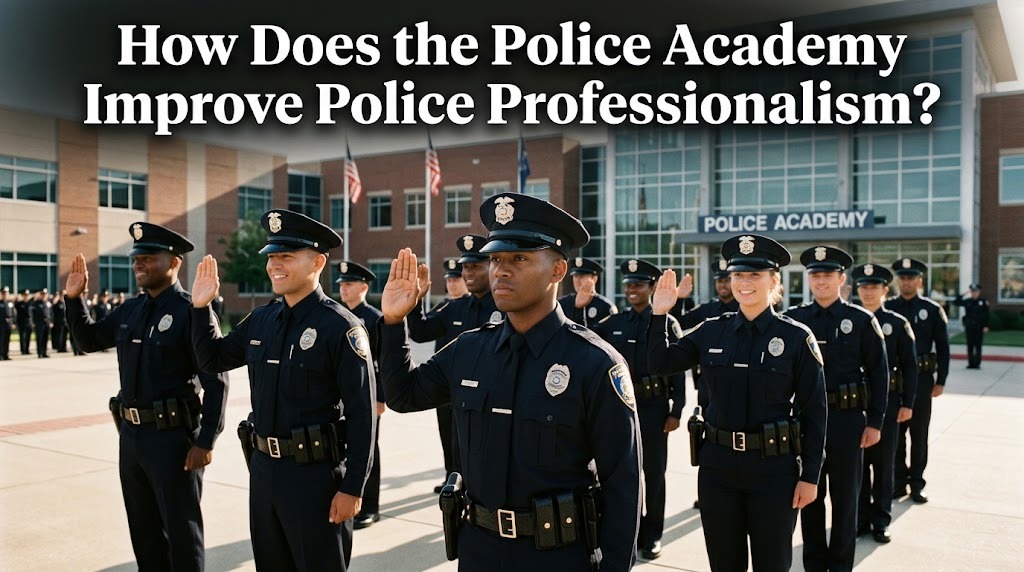
The Police Academy plays an important role in preparing future police officers to perform their duties responsibly, fairly, and professionally. In Indonesia, the Indonesian Police Academy, known as Akademi Kepolisian or Akpol, combines academic education, physical training, leadership development, and character building to prepare cadets for service in the Indonesian National Police. Professionalism is not only about enforcing laws but also about respecting human rights, maintaining integrity, and protecting the public. Through structured education and practical exercises, cadets learn to understand their responsibilities and make decisions based on legal principles. This preparation helps develop officers who can respond to public needs while maintaining discipline and accountability.
DEVELOPING LEGAL KNOWLEDGE AND LAW ENFORCEMENT SKILLS
Legal knowledge is a fundamental part of police professionalism because officers must understand the laws and procedures that govern their duties. Police academy education introduces cadets to criminal law, criminal procedure, policing principles, and the legal responsibilities associated with law enforcement. This knowledge helps them understand when and how police powers may be exercised within the limits of the law. Cadets also learn the importance of gathering information carefully, evaluating evidence, and following appropriate procedures. A strong legal foundation reduces the risk of improper actions and supports fairer law enforcement.
In addition to classroom learning, cadets develop practical skills through exercises and scenario-based training. They may practice communication, observation, problem-solving, and responses to different law enforcement situations. These activities help them connect theoretical knowledge with decisions they may need to make in the field. Instructors can assess their performance and identify areas that require improvement. By combining knowledge with practical experience, the academy helps prepare future officers to carry out their duties more competently.
STRENGTHENING ETHICS AND PERSONAL INTEGRITY
Ethics and integrity are essential elements of professional policing. Police officers have authority that can significantly affect people's safety, rights, and daily lives, so they must exercise that authority responsibly. Police academy education emphasizes honesty, fairness, accountability, and respect for the law. Cadets learn about the consequences of corruption, abuse of power, discrimination, and conflicts of interest. These lessons help them understand that public trust depends on the conduct of individual officers as well as the integrity of the institution.
Character development also takes place through daily routines and institutional expectations. Cadets are expected to demonstrate discipline, respect others, and take responsibility for their decisions. They learn to follow lawful instructions while understanding that professional responsibility includes refusing improper conduct. Discussions of ethical dilemmas can help them consider different consequences before making difficult decisions. By developing consistent ethical habits during training, future officers can be better prepared to handle the pressures and responsibilities of police service.
IMPROVING DISCIPLINE AND RESPONSIBILITY
Discipline helps police officers maintain professional standards and perform their duties consistently. At the academy, cadets follow structured schedules, complete assigned tasks, and participate in academic and physical training activities. These routines encourage punctuality, organization, self-control, and respect for established procedures. Cadets learn that even small responsibilities matter because mistakes or carelessness can affect other people. Developing these habits helps prepare them for duties that require accuracy, reliability, and attention to detail.
Responsibility also means being accountable for actions and decisions. Cadets are expected to accept feedback, correct mistakes, and understand the consequences of failing to meet established standards. They learn to manage their time, cooperate with others, and complete assignments within specified requirements. These experiences help them develop the maturity needed to work in situations where public safety may be involved. When discipline is combined with sound judgment, it supports professional behavior rather than simply encouraging obedience.
BUILDING LEADERSHIP AND DECISION-MAKING ABILITIES
Police professionalism requires officers who can make sound decisions, communicate clearly, and take responsibility for their actions. The Police Academy supports leadership development through group assignments, coordinated exercises, and activities that require planning and cooperation. Cadets learn to organize tasks, explain instructions, evaluate situations, and consider the needs of team members. They also learn that leadership involves listening and setting a positive example. These skills are important for officers who may later coordinate operations or supervise other personnel.
Decision-making exercises help cadets understand how to respond to challenging situations. They must consider relevant information, applicable laws, potential risks, and the rights of the people involved. Effective decisions should be proportionate to the situation and consistent with established procedures. Cadets also learn that acting too quickly without sufficient assessment can create unnecessary risks. Through instruction and feedback, they can improve their ability to remain calm, evaluate options, and choose appropriate responses.
ENHANCING PHYSICAL AND MENTAL READINESS
Physical fitness is important because police duties can involve demanding movement, prolonged activity, and unpredictable situations. Academy training helps cadets develop endurance, strength, coordination, and overall physical readiness. Regular exercise also encourages consistency and self-discipline. Cadets learn to recognize the importance of proper techniques, hydration, recovery, and maintaining their health. Better physical preparation can help officers perform necessary duties while reducing avoidable risks to themselves and others.
Mental readiness is equally important for professional performance. Police officers may encounter stressful situations, conflicts, emergencies, and emotionally difficult cases. Training can help cadets develop concentration, emotional control, resilience, and the ability to evaluate situations under pressure. Communication and scenario-based exercises can also teach them to avoid unnecessary escalation when dealing with members of the public. Mental readiness does not mean ignoring stress; it includes recognizing personal limitations and seeking appropriate support when needed.
PROMOTING HUMAN RIGHTS AND COMMUNITY SERVICE
Professional police work requires respect for human rights and the dignity of every individual. The Police Academy helps cadets understand that law enforcement must be carried out lawfully, fairly, and without unjustified discrimination. They learn about the importance of protecting vulnerable people, respecting legal rights, and using police authority only when justified. These principles guide how officers interact with suspects, victims, witnesses, and members of the wider community. Respectful treatment also helps strengthen public confidence in law enforcement.
Community service is another important part of police professionalism. Officers must communicate effectively with people from different backgrounds and respond appropriately to community concerns. Training can help cadets develop listening skills, conflict resolution abilities, and an understanding of how police actions affect public trust. They learn that maintaining public safety involves more than responding to crimes; it also includes prevention, public education, and cooperation with communities. By emphasizing service and respect, academy education helps prepare officers to build constructive relationships with the public.
DEVELOPING TEAMWORK AND PROFESSIONAL COMMUNICATION
Police officers often work with colleagues, emergency services, government institutions, and community organizations. The Police Academy therefore emphasizes teamwork and communication as essential professional skills. Group training teaches cadets to share information, coordinate responsibilities, and follow agreed procedures. They learn to listen carefully, communicate instructions clearly, and respect the contributions of other team members. These abilities help reduce misunderstandings and improve coordination during routine duties and emergencies.
Professional communication also includes dealing with the public in a calm, respectful, and impartial manner. Cadets can develop these skills through interviews, role-playing activities, presentations, and simulated law enforcement situations. They learn to ask relevant questions, explain procedures, and manage disagreements without unnecessary confrontation. Clear communication can help officers gather accurate information and reduce tension during difficult interactions. When combined with teamwork, these skills support safer operations and more consistent professional service.
SUPPORTING CONTINUOUS LEARNING AND PROFESSIONAL DEVELOPMENT
Police professionalism requires continuous learning because laws, technology, criminal methods, and public safety challenges can change over time. The Police Academy provides the initial educational foundation that officers need to develop their careers. Cadets learn how to study regulations, assess information, and improve their knowledge through structured learning. They also develop the habit of accepting feedback and identifying areas where their skills need improvement. These foundations help prepare graduates to adapt to changing professional responsibilities.
Professional development continues after graduation through further education, specialized training, supervision, and experience. Officers may need additional skills in areas such as cybercrime, digital evidence, forensic investigation, crisis response, and community policing. Regular evaluation can help identify performance gaps and encourage improvements in conduct and operational competence. Institutions must also support clear accountability mechanisms and consistent professional standards for training to have lasting effects. By combining initial academy education with lifelong learning, the police organization can strengthen professionalism across its workforce.
CONCLUSION
The Police Academy improves police professionalism by developing legal knowledge, ethical conduct, discipline, leadership, physical readiness, and communication skills. Through academic learning and practical exercises, cadets prepare to make responsible decisions and perform their duties within the law. Education that emphasizes human rights, accountability, and community service also helps strengthen public trust. However, professionalism must continue to be reinforced through supervision, evaluation, and further training after graduation. By combining strong initial education with continuous development, the Police Academy can contribute to a more competent, responsible, and professional police force.
Recent Posts

Bagaimana Sistem SKS pada Program Kuliah... 22.11.2026/57 View

How Does Technology Make Daily Evaluation... 21.11.2026/86 View

Apa Strategi Menghadapi Kesenjangan antara Kompetensi... 21.11.2026/84 View

Mengapa Inventaris Aset Penting bagi Kelancaran... 21.11.2026/82 View

When Should Musicians Join a Record... 21.11.2026/86 View
