

How Does the Police Academy Prepare Cadets for Modern Security Challenges?
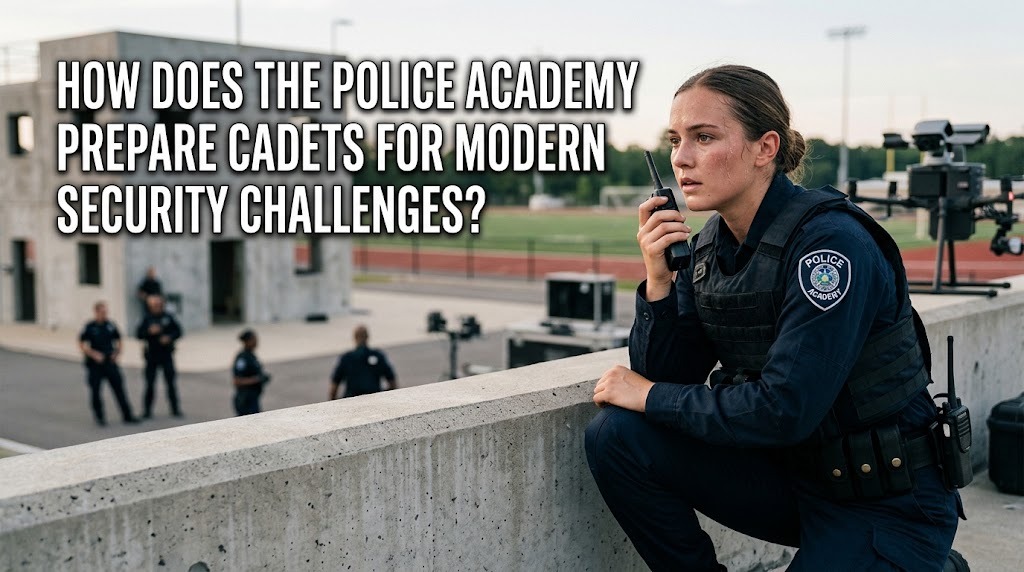
The Indonesian Police Academy plays an important role in preparing future police officers to face increasingly complex security challenges. Modern policing requires more than physical strength and discipline. Officers must also understand technology, analyze information, communicate effectively, and make responsible decisions in difficult situations. Challenges such as cybercrime, digital fraud, terrorism, public disorder, and the spread of misinformation require professional knowledge and continuous learning.
The Indonesian Police Academy, known as Akademi Kepolisian or Akpol, prepares cadets through academic education, physical training, practical exercises, leadership development, and character building. These learning activities help cadets understand their responsibilities and develop the skills needed to serve the public. By combining theoretical knowledge with practical preparation, the academy helps future officers become more adaptable, disciplined, and capable of responding to changing security conditions.
DEVELOPING KNOWLEDGE OF MODERN LAW ENFORCEMENT
Understanding modern law enforcement is an important foundation for preparing cadets to face contemporary security challenges. Cadets study legal principles, police procedures, criminal justice, ethics, and public safety responsibilities. This knowledge helps them understand how to respond to incidents while respecting applicable laws and individual rights. Modern security problems can involve complicated circumstances that require careful analysis rather than immediate assumptions. A strong academic foundation helps cadets make informed decisions and understand the legal consequences of their actions.
Legal education also prepares cadets to recognize the relationship between public safety and accountability. Police officers must use their authority appropriately and follow established procedures when handling suspected criminal activity. They need to understand that effective law enforcement involves protecting communities while respecting human rights. Through classroom discussions and practical examples, cadets can learn to evaluate situations from different perspectives. These skills are essential for addressing security challenges fairly, professionally, and responsibly.
BUILDING DIGITAL LITERACY AND CYBERCRIME AWARENESS
Technology has changed how crimes are committed and how police investigate them. Cybercrime, online fraud, identity theft, digital harassment, and unauthorized access to information can affect individuals, businesses, and public institutions. Cadets need to understand basic digital security concepts and recognize how technology may be involved in criminal activity. Their education can introduce them to digital evidence, online risks, and the importance of protecting sensitive information. Specialized responsibilities may require additional training beyond the academy's general curriculum.
Digital literacy also helps future officers communicate more effectively with people who experience technology-related crimes. They must understand the importance of preserving potential evidence and handling digital information according to legal procedures. Officers should avoid accessing, sharing, or disclosing personal data without proper authority. As technology develops, continued professional education becomes increasingly important. By strengthening their understanding of digital risks, cadets can prepare for a policing environment in which online and offline security issues often overlap.
STRENGTHENING PHYSICAL FITNESS AND OPERATIONAL READINESS
Physical fitness remains an important part of police preparation because officers may face demanding situations that require endurance, coordination, and controlled physical responses. Cadets participate in structured physical training to improve stamina, strength, agility, and overall health. These abilities can help them perform duties that involve prolonged activity, emergency response, and challenging working conditions. Physical training also encourages discipline, perseverance, and the ability to work under pressure. Maintaining fitness is important for personal safety as well as the safety of colleagues and members of the public.
Operational readiness involves more than physical ability alone. Cadets must learn to assess situations, communicate with team members, and follow appropriate procedures when responding to incidents. Practical exercises can help them understand the importance of coordination and situational awareness. They also learn that the appropriate response depends on the nature of the incident and the risks involved. Combining physical conditioning with sound judgment helps prepare future officers for demanding responsibilities without neglecting safety and legal requirements.
TRAINING CADETS TO RESPOND TO CYBER THREATS AND DIGITAL FRAUD
Cyber threats create challenges because offenders may operate remotely, hide their identities, or target victims across different regions. Digital fraud can involve deceptive messages, fraudulent transactions, account theft, and the misuse of personal information. Police education can help cadets recognize these threats and understand the basic principles of cybercrime prevention and investigation. They need to learn how digital information may become evidence and why it must be handled carefully. More advanced investigative techniques generally require further specialized instruction.
Preventing digital crime also involves public education and cooperation with relevant institutions. Police officers may help communities recognize suspicious online activities and understand how to report suspected fraud. They should be able to explain common warning signs without making unsupported promises about online safety. When handling cases, officers must follow legal procedures and work with qualified personnel when technical expertise is required. These capabilities help law enforcement respond more effectively to technology-related offenses while protecting victims' rights and personal information.
IMPROVING CRITICAL THINKING AND DECISION MAKING
Modern security situations can develop quickly and involve incomplete or conflicting information. Police officers must be able to evaluate facts, identify risks, and choose appropriate actions without relying on assumptions. The academy can develop these abilities through academic assignments, case discussions, practical exercises, and scenario-based training. Cadets learn to consider different possibilities before reaching conclusions. Critical thinking is especially important when decisions may affect public safety or individual rights.
Good decision-making also requires emotional control and an understanding of legal responsibilities. Officers may encounter stressful situations in which they must communicate clearly and act carefully. Cadets need to understand when to seek assistance, consult established procedures, or coordinate with other personnel. Reviewing the outcomes of exercises can help them identify mistakes and improve their judgment. These skills support professional responses to emergencies, criminal incidents, and other unpredictable security challenges.
DEVELOPING LEADERSHIP AND TEAMWORK SKILLS
Modern policing often requires cooperation among officers, specialized units, emergency services, and other relevant institutions. Cadets therefore need to develop leadership and teamwork skills throughout their education. Group activities can help them practice communication, coordination, responsibility, and conflict resolution. Leadership training also introduces them to the importance of planning tasks, managing resources, and supporting team members. These abilities are useful when responding to incidents that require several people to work toward a common objective.
Effective leadership must be supported by integrity and accountability. Police officers are expected to make responsible decisions, follow lawful instructions, and treat others professionally. Cadets should learn to accept feedback, acknowledge mistakes, and consider the consequences of their actions. They also need to understand that teamwork does not remove individual responsibility. By developing these qualities, future officers can contribute to coordinated operations and build stronger professional relationships within the police organization.
PREPARING FOR TERRORISM AND EMERGENCY SITUATIONS
Security challenges may include terrorism, violent incidents, natural disasters, and other emergencies that threaten public safety. Police Academy education can introduce cadets to emergency response principles, risk awareness, communication procedures, and coordination during critical incidents. Practical exercises help them understand how to respond systematically rather than act impulsively. Cadets must also learn the importance of protecting civilians, securing affected areas when authorized, and following established operational procedures. Specific counterterrorism duties require appropriate training, authorization, and assignment to qualified personnel.
Emergency preparedness also depends on cooperation and accurate information. Police officers may need to coordinate with medical services, firefighters, disaster management agencies, and other authorized organizations. Clear communication can help reduce confusion and support a more organized response. Cadets should understand that emergency decisions must account for changing conditions and the safety of everyone involved. Through structured preparation, they can develop the discipline and awareness required to contribute effectively to emergency operations.
PROMOTING ETHICS AND COMMUNITY TRUST
Modern security challenges cannot be addressed through enforcement alone. Public cooperation, reliable communication, and trust in law enforcement are also important for preventing crime and resolving security concerns. The academy develops cadets' understanding of professional ethics, public service, discipline, and respect for human rights. These principles guide officers in using their authority responsibly and treating people fairly. Ethical conduct is essential because inappropriate behavior can damage public confidence and weaken cooperation with the police.
Community engagement helps officers understand local concerns and identify problems that may require attention. Cadets need to develop listening skills, cultural awareness, and the ability to communicate respectfully with people from different backgrounds. They should also understand how to handle complaints professionally and explain police actions within the limits of applicable rules. Building public trust requires consistent behavior rather than occasional outreach activities. By combining ethical education with effective communication, the academy helps prepare officers to serve communities responsibly in a changing security environment.
CONCLUSION
The Indonesian Police Academy prepares cadets for modern security challenges through legal education, digital awareness, physical training, critical thinking, leadership development, emergency preparedness, and professional ethics. These areas help future officers develop the knowledge and abilities needed to respond to changing threats while respecting the law and protecting the public. Continued learning is equally important because technology, criminal methods, and community security needs continue to evolve. By combining professional competence with discipline and integrity, Police Academy graduates can contribute to safer communities and more effective law enforcement.
Recent Posts

Bagaimana Sistem SKS pada Program Kuliah... 22.11.2026/57 View

How Does Technology Make Daily Evaluation... 21.11.2026/86 View

Apa Strategi Menghadapi Kesenjangan antara Kompetensi... 21.11.2026/84 View

Mengapa Inventaris Aset Penting bagi Kelancaran... 21.11.2026/82 View

When Should Musicians Join a Record... 21.11.2026/86 View
