

How Does the School Environment Shape Students' Personalities?
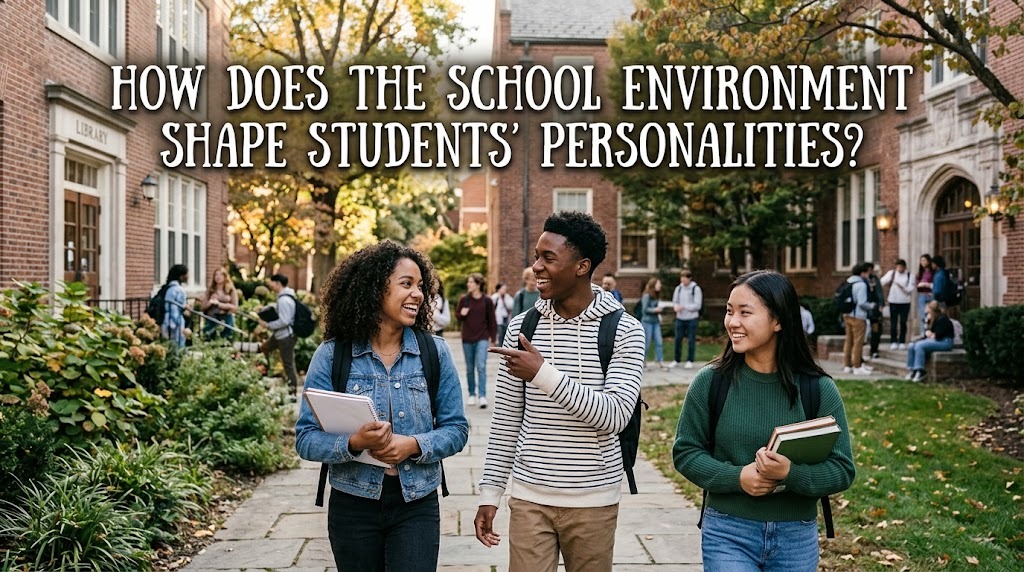
The school environment plays an important role in shaping students' personalities because it provides experiences that influence their behavior, attitudes, values, and ways of interacting with others. School is not only a place to gain academic knowledge but also an environment where students learn discipline, responsibility, cooperation, and respect. Through daily activities, classroom interactions, and relationships with teachers and classmates, students gradually develop characteristics that influence their personal and social lives.
Every student experiences a different learning environment. Some students become more confident through supportive teachers and positive friendships, while others develop independence and responsibility through school activities and challenges. Therefore, a positive school environment can help students build healthy personalities and prepare them to face different situations in the future.
THE ROLE OF SCHOOL IN PERSONALITY DEVELOPMENT
School contributes to personality development by providing structured learning experiences and opportunities for students to understand themselves and others. During their time at school, students learn how to follow rules, complete assignments, respect differences, and take responsibility for their actions. These activities help develop important characteristics such as discipline, independence, honesty, and perseverance.
In addition, school introduces students to different people, backgrounds, and perspectives. Through these interactions, students learn how to communicate, cooperate, and adapt to different social situations. These experiences gradually influence their attitudes and behavior. As a result, school becomes an important environment for developing both academic abilities and positive personality characteristics.
HOW TEACHERS INFLUENCE STUDENTS' PERSONALITIES
Teachers have a significant influence on students' personality development because they interact with students regularly and serve as important role models. Their attitudes, communication styles, and teaching methods can influence how students understand discipline, responsibility, and respect. Teachers who provide encouragement and constructive feedback can help students develop confidence and become more willing to express their ideas.
A supportive teacher also creates opportunities for students to learn from mistakes without feeling excessively afraid of failure. This approach encourages curiosity, independence, and a willingness to improve. On the other hand, unfair treatment or excessive criticism may negatively affect students' confidence and motivation. Therefore, teachers need to create respectful and supportive relationships that encourage students to develop their abilities and personalities.
THE INFLUENCE OF FRIENDSHIPS AND PEER INTERACTIONS
Friendships are an important part of the school experience because classmates influence how students communicate, behave, and understand social relationships. Through daily interactions, students learn to share ideas, work together, solve disagreements, and appreciate different opinions. Positive friendships can encourage confidence, empathy, cooperation, and a sense of belonging.
However, peer influence can also create challenges when students experience negative social pressure, bullying, or exclusion. These situations may affect emotional well-being and make students less comfortable expressing themselves. For this reason, schools need to encourage healthy friendships and establish environments where every student feels respected and accepted. Positive peer relationships help students develop social skills that remain useful throughout their lives.
HOW SCHOOL RULES BUILD DISCIPLINE AND RESPONSIBILITY
School rules help students understand the importance of discipline, consistency, and responsibility. Following schedules, completing assignments, attending classes regularly, and respecting school regulations teach students to manage their time and fulfill their obligations. These habits encourage students to understand that their actions have consequences and that personal responsibility is important in everyday life.
Discipline should not only involve following instructions but also developing the ability to control behavior and make appropriate decisions. When school rules are applied fairly and explained clearly, students can understand their purpose rather than simply obeying them out of fear. This approach encourages self-discipline and helps students become more independent. Over time, these habits can influence how they manage responsibilities outside school.
THE IMPORTANCE OF EXTRACURRICULAR ACTIVITIES IN PERSONALITY DEVELOPMENT
Extracurricular activities provide students with opportunities to develop personalities beyond the classroom. Activities such as sports, music, arts, student organizations, and community programs encourage students to explore their interests and discover their abilities. Through participation, students can develop confidence, teamwork, leadership, creativity, and perseverance.
These activities also teach students how to manage time, overcome difficulties, and work toward shared goals. For example, students who participate in team sports learn cooperation and respect, while those involved in student organizations may develop communication and leadership skills. These experiences help students understand their strengths and weaknesses. As a result, extracurricular activities support personal growth and provide valuable lessons for future academic and professional experiences.
HOW A POSITIVE SCHOOL ENVIRONMENT BUILDS SELF-CONFIDENCE
A positive school environment helps students develop self-confidence by making them feel safe, respected, and appreciated. When students receive encouragement from teachers and classmates, they may become more comfortable sharing opinions, asking questions, and participating in classroom activities. Recognition of effort and progress can also motivate students to believe in their abilities.
Schools can strengthen confidence by providing equal opportunities for participation and avoiding unnecessary comparisons between students. Every student has different interests, learning abilities, and development speeds. When individual differences are respected, students can focus on improving themselves rather than constantly competing with others. This supportive atmosphere encourages healthy self-esteem and a stronger sense of personal identity.
THE IMPACT OF A NEGATIVE SCHOOL ENVIRONMENT ON STUDENTS
A negative school environment can create difficulties in students' personality development, particularly when they experience bullying, discrimination, excessive pressure, or unfair treatment. Such experiences may contribute to fear, insecurity, low self-confidence, and difficulty trusting others. Students who do not feel safe or accepted may also become less motivated to participate in learning activities and social interactions.
In addition, unhealthy competition and poor communication can create stress and conflict among students. These conditions may affect their emotional development and relationships with classmates. Schools should therefore establish clear anti-bullying policies, provide appropriate guidance, and encourage respectful communication. Identifying problems early and offering support can help students feel safer and develop healthier social and emotional skills.
THE ROLE OF FAMILY AND SCHOOL COOPERATION
Personality development becomes more effective when families and schools work together to provide consistent guidance. Parents introduce children to basic values and behavior at home, while schools provide opportunities to practice these values in wider social environments. When both environments encourage honesty, discipline, empathy, and responsibility, students can develop a clearer understanding of positive behavior.
Communication between parents and teachers also helps identify students' strengths, challenges, and developmental needs. By sharing observations and providing appropriate support, families and schools can help students overcome difficulties and build confidence. This cooperation creates a stronger foundation for personal development because students receive guidance from the people who play important roles in their daily lives.
CONCLUSION
The school environment plays a major role in shaping students' personalities through education, teacher guidance, friendships, school rules, and extracurricular activities. These experiences influence how students develop confidence, discipline, responsibility, communication skills, and respect for others. A positive and supportive school environment provides opportunities for students to understand themselves and develop healthy relationships.
Therefore, schools should create safe, inclusive, and encouraging environments that support both academic achievement and personality development. Teachers, parents, and students also need to work together to build positive habits and values. With consistent guidance and meaningful experiences, students can develop strong personalities that help them succeed in education, social relationships, and future life.
Recent Posts

Bagaimana Sistem SKS pada Program Kuliah... 22.11.2026/45 View

How Does Technology Make Daily Evaluation... 21.11.2026/73 View

Apa Strategi Menghadapi Kesenjangan antara Kompetensi... 21.11.2026/75 View

Mengapa Inventaris Aset Penting bagi Kelancaran... 21.11.2026/71 View

When Should Musicians Join a Record... 21.11.2026/75 View
