

How Does the Student Senate Election Process Work and What Are the Requirements?
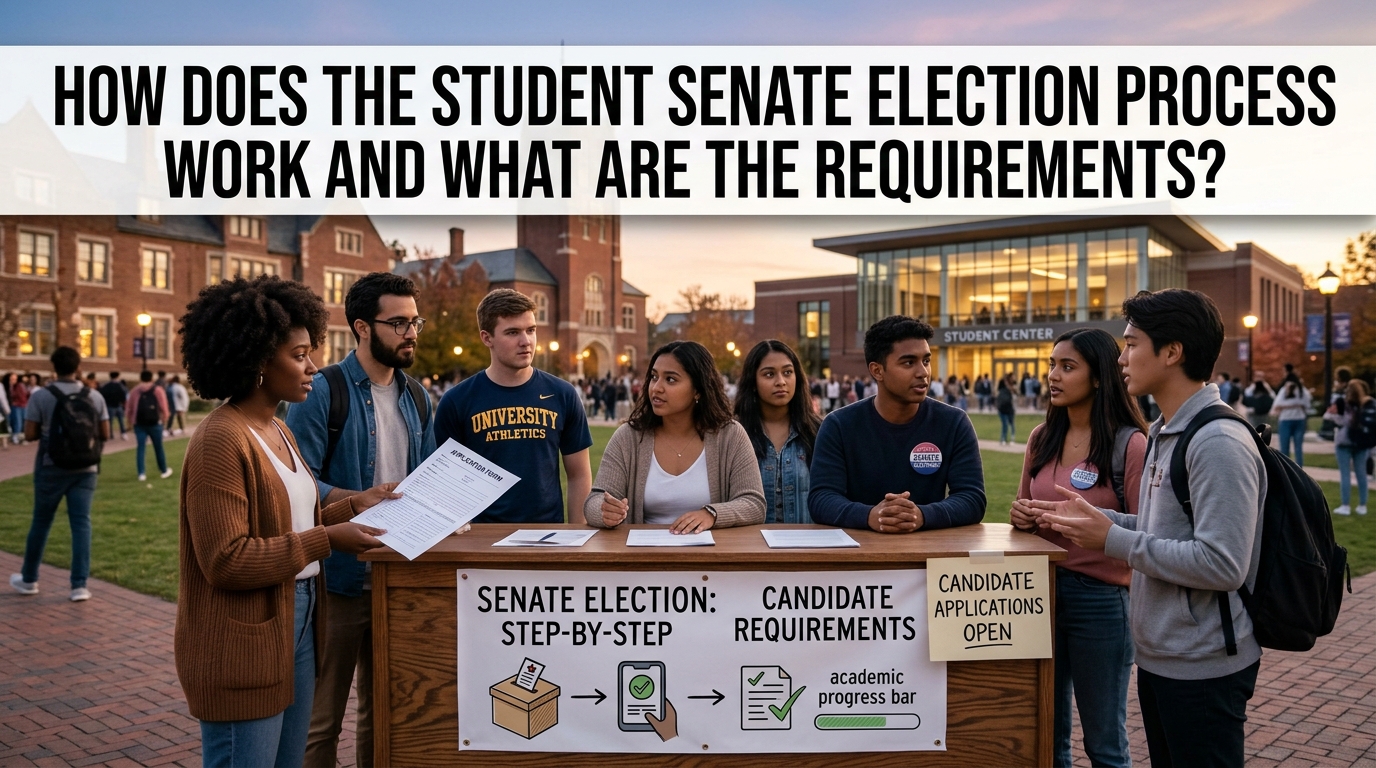
The Student Senate election is an important democratic process in higher education that allows students to choose representatives who will communicate their interests and contribute to campus governance. Through this election, students have the opportunity to participate in selecting individuals who are responsible for representing their opinions, discussing campus issues, and supporting organizational accountability. The process also teaches students about democracy, leadership, and responsible decision-making.
To participate successfully, students need to understand how the election process works and what requirements candidates must fulfill. Generally, the process includes candidate registration, administrative verification, campaigning, voting, vote counting, and the announcement of results. However, election procedures and eligibility requirements may differ depending on university regulations and the Student Senate's organizational structure. Understanding these stages can help students prepare to become candidates or participate as voters.
UNDERSTANDING THE STUDENT SENATE ELECTION
A Student Senate election is a process through which students select representatives who will serve within the university's student representative body. The elected members are expected to communicate student aspirations, participate in organizational discussions, and carry out responsibilities according to established regulations. This election provides students with an opportunity to influence who represents their interests within the campus community. It also encourages active participation in university organizational activities. Through this process, students can practice democratic principles in their daily academic environment.
The election is generally organized by an authorized student election committee or another institution designated by the university. This committee is responsible for preparing election procedures, managing candidate registration, arranging voting activities, and announcing official results. Every stage should follow clear rules to maintain fairness and transparency. Democratic student elections help ensure that representatives are selected through an accountable process. They also strengthen trust between student organizations and the wider campus community.
GENERAL REQUIREMENTS TO BECOME A STUDENT SENATE CANDIDATE
Students who want to become Student Senate candidates must usually fulfill several eligibility requirements. One common requirement is having active student status at the university. Candidates may also need to meet minimum academic or semester requirements, depending on institutional policies. Some universities require applicants to have organizational experience or demonstrate a strong commitment to student activities. These conditions help ensure that candidates understand student responsibilities and campus organizational structures.
In addition, candidates may be required to have a good disciplinary record and demonstrate responsible behavior. They should be willing to represent students fairly, communicate effectively, and follow organizational regulations. Certain institutions may also request recommendation letters, academic documents, or statements of commitment. Candidate eligibility is important because Student Senate members are expected to perform responsibilities that require integrity and accountability. Students should always check the official election guidelines before registering because requirements are not identical at every university.
CANDIDATE REGISTRATION AND DOCUMENT SUBMISSION
The election process usually begins with an official registration period announced by the election committee. Students who are interested in becoming candidates must complete the required registration procedures within the specified deadline. They may need to submit personal information, proof of active student status, academic records, and other supporting documents. Some universities also request a curriculum vitae, organizational experience, or a written statement explaining the candidate's goals. Complete documentation helps the committee evaluate whether applicants meet the established requirements.
Candidates should carefully review every registration condition before submitting their applications. Missing documents or inaccurate information may result in administrative problems or rejection if the requirements are mandatory. The election committee then checks the submitted information and communicates the results of the verification process. Administrative verification ensures that candidates meet the basic eligibility standards before entering the next election stage. Clear registration procedures also help maintain an organized and fair selection process.
CANDIDATE VERIFICATION AND SELECTION
After registration closes, the election committee generally conducts an administrative verification process. This stage involves checking candidate identities, student status, academic requirements, and supporting documents. The committee may also review whether applicants meet other conditions stated in the official election regulations. If information is incomplete, candidates may be given an opportunity to make corrections when the rules allow it. This process helps prevent ineligible applicants from participating in the election.
Once verification is completed, the committee announces the list of candidates who have qualified. In some universities, candidates may also participate in an additional selection process, such as an interview or presentation of their organizational vision. These activities allow the committee and student community to understand candidates' leadership abilities and commitment. Transparent candidate selection helps build confidence in the election process. It also ensures that students receive clear information about who is eligible to represent them.
CAMPAIGNING AND PRESENTING CANDIDATE VISIONS
Campaigning gives qualified candidates an opportunity to introduce themselves and explain their plans for the Student Senate. During this stage, candidates usually present their vision, mission, programs, and priorities for representing students. They may communicate through public debates, presentations, posters, social media, or official campus events. These activities help voters understand each candidate's ideas and leadership approach. Campaigning also provides opportunities for students to ask questions about important campus issues.
A responsible campaign should focus on realistic programs and constructive ideas rather than personal attacks against other candidates. Candidates must follow campaign rules established by the election committee, including regulations about campaign schedules and communication methods. Students should also evaluate candidates based on their capabilities, integrity, and proposed programs. Fair and ethical campaigning helps create a healthy democratic environment. It allows voters to make decisions based on relevant information rather than popularity alone.
STUDENT VOTING AND ELECTION PROCEDURES
Voting is one of the most important stages of the Student Senate election because it allows eligible students to choose their representatives. Depending on university regulations, voting may take place through physical ballot papers, electronic voting systems, or other approved methods. The election committee must provide clear instructions about voter eligibility, voting schedules, and ballot procedures. Students should follow these instructions to ensure their votes are properly recorded. A well-organized voting process helps protect the rights of eligible voters.
The election system should also maintain voter confidentiality and prevent manipulation. Students must be able to make their choices freely without pressure, intimidation, or unfair influence. The committee should prepare procedures for addressing technical problems or other issues that may occur during voting. Free, fair, and confidential voting is essential for maintaining election credibility. It also ensures that the results reflect the choices of participating students.
VOTE COUNTING AND ANNOUNCEMENT OF RESULTS
After the voting period ends, the election committee proceeds with vote counting according to established procedures. This stage involves recording the number of valid votes, invalid ballots, and other relevant voting information. The counting process should be conducted transparently and monitored by authorized parties when required. Accurate documentation is important to prevent errors and maintain public confidence. The committee must ensure that all votes are handled according to the official election rules.
Once the counting process is completed, the committee announces the official election results. The announcement generally includes the elected candidates and relevant information about the voting outcome. If university regulations provide an objection or appeal period, candidates and voters may use that procedure to report concerns. Transparent vote counting and official result announcements help protect the legitimacy of the election. They also ensure that the elected representatives receive a clear mandate from participating students.
RIGHTS AND RESPONSIBILITIES OF STUDENT VOTERS
Students who meet the eligibility requirements have the opportunity to participate in the Student Senate election as voters. Their main right is to choose candidates freely based on their own judgment and the information available. They should have access to relevant candidate profiles, campaign programs, and voting procedures. This information helps students evaluate candidates more carefully before making a decision. Participating in elections is an important way to contribute to campus democracy.
Voters also have responsibilities during the election process. They should respect other students' choices, avoid spreading misleading information, and follow the official voting regulations. They should not attempt to manipulate the process or pressure other voters. Responsible voter participation helps maintain a fair and respectful election environment. By taking these responsibilities seriously, students can contribute to a more credible student representative system.
TIPS FOR STUDENTS WHO WANT TO BECOME STUDENT SENATE CANDIDATES
Students who want to become Student Senate candidates should begin by understanding the organization's responsibilities and authority. They need to learn about the university's student governance system and identify issues that affect their fellow students. This understanding can help them prepare a relevant vision and realistic work programs. Candidates should also develop communication, leadership, teamwork, and problem-solving abilities. These skills are important for representing students effectively.
Another important preparation step is gaining experience through student activities and organizational involvement. Such experiences can help students understand teamwork, manage responsibilities, and communicate with different groups. Candidates should also maintain their academic responsibilities because organizational activities require effective time management. Preparation, integrity, and commitment can help students become more responsible representatives. Most importantly, candidates should be motivated by the desire to serve the student community rather than seeking personal recognition.
COMMON CHALLENGES IN THE STUDENT SENATE ELECTION PROCESS
Student Senate elections may face several challenges that affect participation and public trust. One common problem is low voter turnout, which can occur when students have limited information about the election or feel disconnected from student organizations. Another challenge is the spread of misleading campaign information that makes it difficult for voters to evaluate candidates objectively. Technical problems during electronic voting may also affect the process if proper preparation is lacking. These issues require careful planning and effective communication from the election committee.
Another challenge involves maintaining neutrality and preventing unfair practices during campaigning and voting. The election committee must apply regulations consistently and provide clear procedures for handling complaints. Students should also be encouraged to participate actively and respect the election process. Transparency, neutrality, and student awareness are important factors in overcoming these challenges. With proper management, the election can become a more credible and meaningful democratic activity.
CONCLUSION
The Student Senate election process allows university students to choose representatives who will communicate their interests and contribute to campus governance. The process generally includes candidate registration, administrative verification, campaigning, voting, vote counting, and the announcement of results. Students who want to become candidates must fulfill the eligibility requirements established by their universities, while voters need to understand their rights and responsibilities.
A successful election requires clear regulations, fair procedures, transparent management, and active student participation. Although the specific requirements may differ between universities, the main objective remains the same: selecting responsible representatives who can serve the student community effectively. Understanding the Student Senate election process helps students participate more confidently and contribute to a democratic, accountable, and inclusive university environment.
Recent Posts

Bagaimana Sistem SKS pada Program Kuliah... 22.11.2026/35 View

How Does Technology Make Daily Evaluation... 21.11.2026/69 View

Apa Strategi Menghadapi Kesenjangan antara Kompetensi... 21.11.2026/69 View

Mengapa Inventaris Aset Penting bagi Kelancaran... 21.11.2026/67 View

When Should Musicians Join a Record... 21.11.2026/68 View
