

How Does the Student Senate Represent Student Voices and Protect Their Rights?
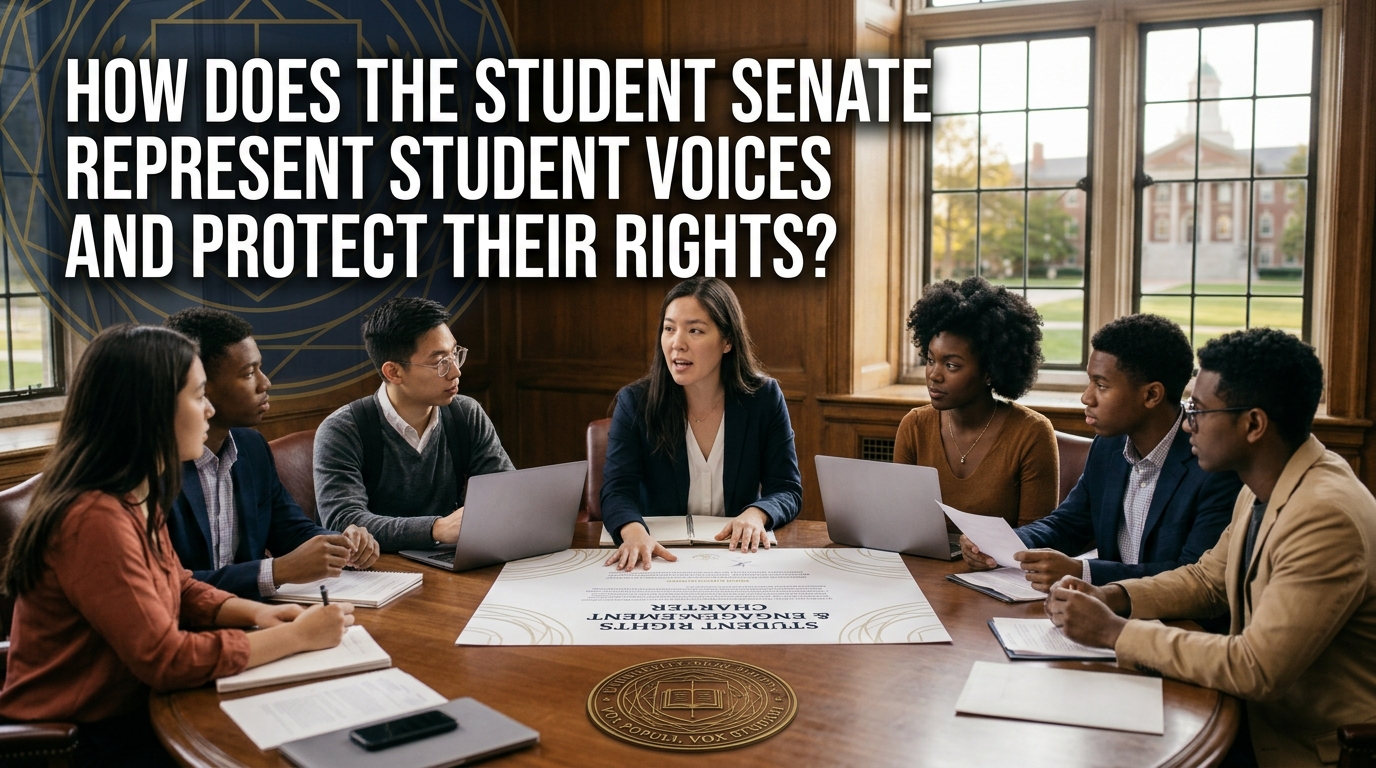
A Student Senate plays an important role in ensuring that students have opportunities to express their opinions and protect their interests within a university. As a student representative body, it provides a formal channel for communicating concerns, suggestions, and expectations to university management. Through this organization, students can participate in discussions about academic policies, campus facilities, student welfare, and other issues that affect their university experience.
Beyond representing student opinions, the Student Senate also helps promote awareness of student rights and responsibilities. It can support students who experience unfair treatment, communicate complaints to the appropriate authorities, and recommend improvements to campus regulations. Although its authority depends on university policies and organizational structures, the Student Senate can contribute to creating a fairer, safer, and more inclusive academic environment.
UNDERSTANDING THE STUDENT SENATE AND ITS ROLE IN STUDENT REPRESENTATION
The Student Senate is a representative organization that gives students a voice in university affairs. Its members are generally elected or appointed to represent students from different faculties, departments, or academic programs. They are responsible for collecting student opinions and communicating important concerns to university authorities. This representation helps ensure that student perspectives are considered in discussions about campus policies and services. As a result, the Student Senate becomes an important communication link between students and university management.
The organization also encourages students to participate actively in campus decision-making processes. Through meetings, consultations, and discussion forums, students can share their experiences and propose solutions to common problems. The Student Senate then helps organize these opinions into recommendations that can be discussed with the relevant university departments. Student representation allows different perspectives to receive attention rather than relying on the opinions of a limited group. This approach supports a more inclusive and participatory university environment.
COLLECTING AND COMMUNICATING STUDENT ASPIRATIONS
One of the main ways the Student Senate represents student voices is by collecting their aspirations. Students may have concerns about lecture schedules, learning facilities, administrative services, tuition policies, or campus regulations. The Student Senate can gather this information through surveys, open discussions, student meetings, and direct communication with representatives. These methods help identify problems that affect individuals as well as the wider student community. The collected information can then become a foundation for constructive recommendations.
After gathering student opinions, representatives need to communicate them clearly to university management. They should explain the problems, provide relevant information, and suggest realistic improvements. Representatives must also ensure that the aspirations they deliver reflect student interests fairly. Effective communication helps prevent student concerns from being ignored or misunderstood. It also strengthens the relationship between students and institutional authorities.
PROTECTING STUDENTS' RIGHTS IN THE ACADEMIC ENVIRONMENT
The Student Senate can help protect student rights by providing information about university regulations and available complaint procedures. Students have legitimate interests concerning fair academic assessment, access to educational facilities, freedom of expression, and equal treatment. The organization can help students understand where to report problems when these interests are not respected. It may also communicate concerns to the appropriate university departments. This support helps students become more aware of their rights within the academic community.
When students experience unfair treatment, discrimination, or problems related to campus services, the Student Senate can help direct them toward appropriate institutional channels. Depending on its authority, it may facilitate communication, accompany students during consultations, or recommend that the university review a particular issue. However, it should respect confidentiality and avoid making conclusions before the relevant facts are examined. Student rights protection requires fair procedures, responsible communication, and cooperation with authorized university bodies. These efforts can help create a safer and more supportive learning environment.
PROVIDING A PLATFORM FOR STUDENT COMPLAINTS AND FEEDBACK
A Student Senate can provide a formal platform where students submit complaints and feedback about their university experiences. This platform is important because some students may feel uncomfortable communicating directly with university administrators. Through student representatives, they can express concerns about academic services, organizational activities, facilities, or administrative procedures. The Student Senate can help classify these concerns according to their urgency and relevance. This makes it easier to identify issues that require further discussion.
Representatives should handle complaints professionally and communicate the appropriate follow-up process. They need to distinguish between personal disagreements, misunderstandings, and issues that require institutional attention. Students should also receive updates about the progress of their concerns whenever possible. Accessible complaint channels encourage students to speak up when they face problems. They also help universities identify weaknesses in their services and make necessary improvements.
ENCOURAGING TRANSPARENCY AND FAIR UNIVERSITY POLICIES
Transparency is essential for protecting student interests because students need clear information about policies that affect their academic lives. The Student Senate can encourage university management to communicate regulations, procedures, and important decisions openly. It can also provide feedback when students find certain policies difficult to understand or apply. Through discussions and recommendations, representatives can help identify regulations that may require clarification or evaluation. This process supports better communication between students and university authorities.
Fair policies should consider student needs and apply regulations consistently without discrimination. The Student Senate can encourage discussions about whether university rules provide equal opportunities and reasonable treatment for students. However, it does not automatically have the authority to approve or change institutional policies. Its role generally involves representation, consultation, and recommendations according to university regulations. Policy transparency and fairness help build trust and create a more accountable academic environment.
SUPPORTING FREEDOM OF EXPRESSION AND STUDENT PARTICIPATION
Freedom of expression is an important part of student rights in higher education. Students should have opportunities to communicate ideas, raise concerns, and participate in academic discussions respectfully. The Student Senate supports this principle by organizing discussion forums, consultations, and other activities where students can express their opinions. These opportunities help students become more confident in communicating their perspectives. They also encourage constructive dialogue within the campus community.
The Student Senate should ensure that discussions are conducted fairly and that different opinions receive appropriate attention. Representatives need to respect disagreements and encourage discussions based on relevant information rather than personal attacks. At the same time, freedom of expression must be exercised responsibly and in accordance with applicable laws and university regulations. Active student participation helps strengthen democratic values and encourages students to contribute to campus development. It also creates a culture where students feel that their voices matter.
BUILDING COOPERATION BETWEEN STUDENTS AND UNIVERSITY MANAGEMENT
Protecting student interests requires good cooperation between the Student Senate and university management. Representatives can communicate student concerns while helping university authorities understand the challenges students experience. Regular meetings and consultations provide opportunities to discuss problems and identify practical solutions. This cooperation can cover academic services, student facilities, administrative processes, and student welfare programs. It also helps reduce misunderstandings between students and campus administrators.
University management also needs to provide clear responses to student recommendations and explain the reasons behind institutional decisions. The Student Senate can communicate these responses to the wider student community. This process ensures that communication does not stop after complaints or suggestions have been submitted. Two-way communication creates a stronger relationship based on trust, understanding, and shared responsibility. Through cooperation, both parties can work toward improving the quality of campus life.
PROMOTING EQUALITY AND INCLUSION AMONG STUDENTS
The Student Senate should represent students fairly, regardless of their faculty, academic program, background, or personal circumstances. Every student should have an opportunity to communicate concerns and receive appropriate attention. Representatives need to avoid prioritizing only the interests of influential groups or their personal circles. They should also pay attention to students who may face difficulties accessing information or participating in campus activities. This approach helps create a more inclusive university community.
In addition, the Student Senate can encourage programs and discussions that promote mutual respect and equal opportunities. It may communicate concerns about discrimination, accessibility, or unequal treatment to the relevant university authorities. These efforts can help identify barriers that prevent some students from participating fully in academic life. Equality and inclusion are important principles for ensuring that student representation benefits the entire campus community. A fair organization should make every student feel respected and heard.
DEVELOPING STUDENT AWARENESS OF RIGHTS AND RESPONSIBILITIES
Protecting student rights also requires students to understand their responsibilities. The Student Senate can help improve awareness by sharing information about academic regulations, complaint procedures, organizational policies, and available student services. It may organize seminars, discussions, or educational campaigns to explain important university rules. These activities help students understand how to exercise their rights through appropriate procedures. They also reduce confusion about institutional policies.
At the same time, students need to respect the rights of others and follow applicable academic regulations. Freedom of expression, for example, should be balanced with respect for different opinions and the responsibilities of being part of an academic community. The Student Senate can encourage students to participate responsibly and resolve disagreements through constructive communication. Rights awareness and responsibility should develop together to maintain a healthy campus environment. This understanding supports a more respectful and cooperative university community.
CHALLENGES IN REPRESENTING AND PROTECTING STUDENT INTERESTS
Although the Student Senate has an important role, representing student voices is not always easy. One major challenge is the lack of student participation in meetings, surveys, and organizational activities. When students rarely communicate their concerns, representatives may struggle to understand the actual needs of the campus community. Limited communication between representatives and university management can also slow down the process of resolving problems. These conditions may reduce students' confidence in their organization.
Another challenge is ensuring that every concern receives fair attention and appropriate follow-up. Representatives must work within their authority and university regulations while maintaining independence and professionalism. They also need to protect sensitive information when handling complaints involving individual students. Responsible representation requires active listening, transparent communication, and consistent evaluation. By addressing these challenges, the Student Senate can become more effective in protecting student interests.
CONCLUSION
The Student Senate represents student voices and helps protect their rights through communication, advocacy, complaint channels, and participation in university discussions. It provides opportunities for students to express concerns, understand their rights, and contribute recommendations for improving campus policies and services. Through these responsibilities, the organization supports a more inclusive, transparent, and democratic academic environment.
The effectiveness of the Student Senate depends on responsible representatives, active student participation, and cooperation with university management. Although its authority varies between institutions, it can play an important role in ensuring that student interests receive proper attention. A strong and responsible Student Senate helps create a university environment where students feel respected, protected, and encouraged to participate in campus development.
Recent Posts

Bagaimana Sistem SKS pada Program Kuliah... 22.11.2026/35 View

How Does Technology Make Daily Evaluation... 21.11.2026/69 View

Apa Strategi Menghadapi Kesenjangan antara Kompetensi... 21.11.2026/69 View

Mengapa Inventaris Aset Penting bagi Kelancaran... 21.11.2026/67 View

When Should Musicians Join a Record... 21.11.2026/68 View
