

How Does The Transitional Season Affect Daily Activities?
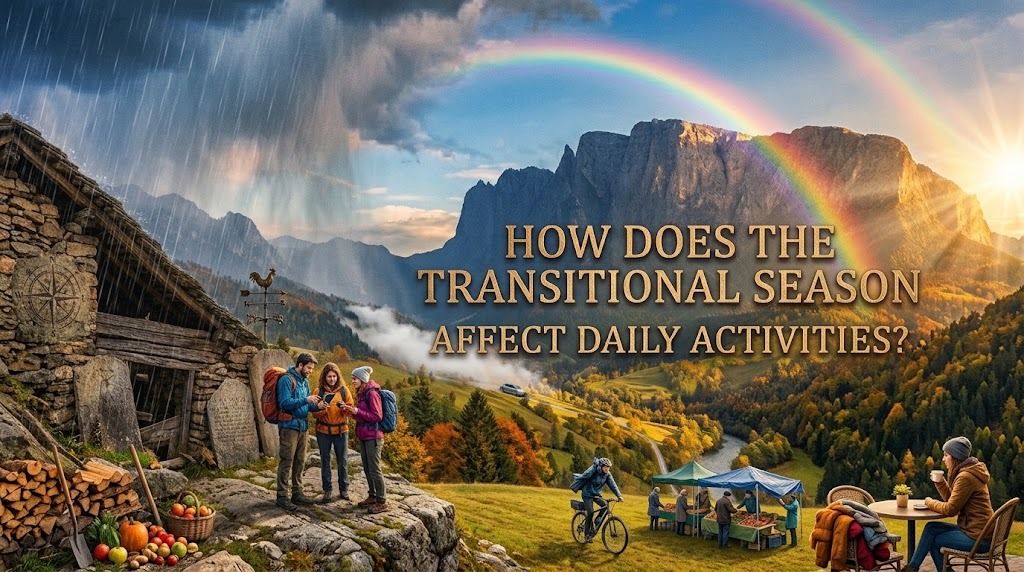
The transitional season is the period when weather shifts between the rainy and dry seasons. In Indonesia, this period often brings sudden rainfall, hot afternoons, strong winds, and changes in humidity. These conditions can influence how people travel, study, work, exercise, and complete household tasks. Weather changes may also cause delays, disrupt outdoor plans, and create safety concerns in some areas. Understanding how the transitional season affects daily activities helps people prepare for unexpected conditions and manage their routines more effectively.
THE EFFECT ON TRAVEL AND TRANSPORTATION
The transitional season can make daily travel more challenging because weather conditions may change within a short time. Heavy rain can reduce visibility, make roads slippery, and increase the risk of traffic accidents. Strong winds or fallen trees may block certain roads, while localized flooding can force drivers to find alternative routes. Public transportation may also experience delays when traffic becomes congested or roads are temporarily inaccessible. Checking weather forecasts and traffic updates before leaving home can help travelers prepare for these situations.
People can improve their safety by carrying an umbrella or raincoat and allowing extra time for their journeys. Motorcyclists should wear appropriate rain gear, use working lights, and reduce their speed on wet roads. Drivers should maintain a safe distance from other vehicles and avoid driving through floodwater of unknown depth. If severe weather makes travel dangerous, postponing a nonessential journey may be the safest choice. Careful planning and safe driving habits can reduce many weather-related travel problems.
THE EFFECT ON SCHOOL AND WORK ACTIVITIES
Changing weather can affect school attendance, workplace schedules, and productivity. Heavy rain may make students and employees arrive late, especially when roads become flooded or public transportation is disrupted. Outdoor school activities, sports events, construction work, and other tasks may need to be postponed because of lightning, strong winds, or slippery surfaces. Hot and humid conditions can also cause discomfort and make concentration more difficult for some people. Flexible schedules and weather preparedness help schools and workplaces respond to these challenges.
Students can prepare by checking the forecast, packing rain protection, and organizing school materials before leaving home. Employers can provide safe indoor alternatives when outdoor work becomes hazardous. Workers who spend long periods outside should have access to drinking water, rest breaks, and suitable protective equipment. Schools and workplaces should follow official weather warnings when deciding whether activities need to change. These measures help maintain productivity while placing health and safety first.
THE EFFECT ON AGRICULTURE AND OUTDOOR WORK
The transitional season can significantly influence agricultural activities because rainfall and soil moisture may change unpredictably. Farmers depend on suitable weather for planting, watering crops, applying fertilizer, and harvesting produce. Too little rainfall can leave crops short of water, while excessive rain may cause waterlogging, soil erosion, or damage to certain plants. Strong winds can also damage crops, particularly in exposed areas. Weather information helps farmers make better decisions about the timing of important agricultural tasks.
Farmers can monitor forecasts and adjust irrigation according to rainfall and soil conditions. They may also improve drainage where excess water threatens crops and avoid applying certain agricultural products immediately before heavy rain. Outdoor workers in construction, delivery, and maintenance may need to adjust working hours when heat or storms create safety risks. However, the best response depends on the local climate, crop type, and nature of the work. Planning around weather conditions can reduce losses and help outdoor activities continue more safely.
THE EFFECT ON HEALTH AND PHYSICAL COMFORT
During the transitional season, changing temperatures and humidity can affect physical comfort. Hot weather may increase sweating and fluid loss, while damp conditions can make clothing and surroundings uncomfortable. Some people may also experience allergy symptoms when exposed to dust, mold, or other airborne irritants. Respiratory infections can occur during this period, but they are caused by pathogens rather than weather changes alone. Staying hydrated, getting enough sleep, and maintaining personal hygiene can support general health.
People should wear clothing suited to the weather and avoid prolonged exposure to extreme heat. Drinking enough water is especially important during outdoor activities, while resting in a cool place can help prevent heat-related problems. Washing hands regularly, keeping living spaces clean, and avoiding close contact with sick people can reduce the risk of some infections. Those with asthma or other long-term conditions should follow their healthcare provider's advice. If symptoms become severe or continue to worsen, medical attention may be necessary.
THE EFFECT ON HOUSEHOLD ACTIVITIES
Household routines can also change when the weather becomes unpredictable. Rain may delay laundry drying, interrupt outdoor cleaning, and make it harder to ventilate rooms naturally. Strong winds and heavy rain can bring leaves, branches, and rubbish into yards or drainage channels. In areas with poor drainage, intense rainfall may cause water to enter homes or surrounding streets. Preparing the home for changing weather can help reduce inconvenience and prevent damage.
Residents should clean gutters and drains regularly, secure loose outdoor objects, and check roofs for visible damage before severe weather arrives. Keeping umbrellas, raincoats, flashlights, and other useful supplies in accessible places can make sudden weather changes easier to manage. Clothes can be dried indoors in a well-ventilated area when outdoor drying is not possible. Families living in flood-prone locations should also understand local evacuation routes and follow official warnings. These preparations help make household activities safer and more organized.
THE EFFECT ON RECREATION AND SOCIAL ACTIVITIES
Outdoor recreation can become less predictable during the transitional season. Picnics, sports, sightseeing, and community gatherings may need to be rescheduled when rain or strong winds are expected. Wet surfaces can increase the risk of slipping, while thunderstorms make open areas and exposed locations dangerous. Sudden weather changes may also affect travel plans for people visiting parks, beaches, or rural destinations. Checking the forecast before outdoor events helps organizers choose safer times and locations.
Having alternative indoor activities can prevent plans from being completely disrupted. Event organizers should provide sheltered areas when appropriate and communicate schedule changes clearly to participants. People should avoid swimming or boating during thunderstorms and follow local safety instructions near rivers and beaches. Forecasts should be checked again shortly before an activity because conditions may change. Flexibility and preparation allow people to enjoy recreational activities while reducing unnecessary risks.
HOW TO ADAPT TO THE TRANSITIONAL SEASON
Adapting to the transitional season starts with developing habits that make daily life more flexible. Check reliable weather forecasts each morning and look for official warnings before traveling or organizing outdoor activities. Prepare practical items such as an umbrella, raincoat, drinking water, and suitable footwear according to the expected conditions. Keep household drainage clear and secure objects that could become dangerous during strong winds. Simple daily preparation can prevent many avoidable problems.
It is also useful to create backup plans for school, work, travel, and recreation. When severe weather is expected, move activities indoors or postpone them if necessary. Follow information from official meteorological and emergency management agencies rather than relying on unverified social media posts. Families and communities can share accurate warnings and check on people who may need assistance during hazardous weather. By combining reliable information, flexible planning, and safe decisions, people can manage the effects of the transitional season more effectively.
CONCLUSION
The transitional season affects daily activities by creating challenges for transportation, education, work, agriculture, household routines, health, and recreation. Sudden rain, strong winds, heat, and changing humidity can interrupt plans and sometimes create dangerous conditions. However, many difficulties can be reduced through weather monitoring, practical preparation, and flexible schedules. People should follow official warnings, protect their health, and avoid unnecessary risks during severe weather. With the right habits, communities can continue their daily activities more safely and confidently throughout the transitional season.
Recent Posts

Bagaimana Sistem SKS pada Program Kuliah... 22.11.2026/54 View

How Does Technology Make Daily Evaluation... 21.11.2026/83 View

Apa Strategi Menghadapi Kesenjangan antara Kompetensi... 21.11.2026/81 View

Mengapa Inventaris Aset Penting bagi Kelancaran... 21.11.2026/78 View

When Should Musicians Join a Record... 21.11.2026/82 View
