

How Does The Transitional Season Affect The Availability Of Clean Water?
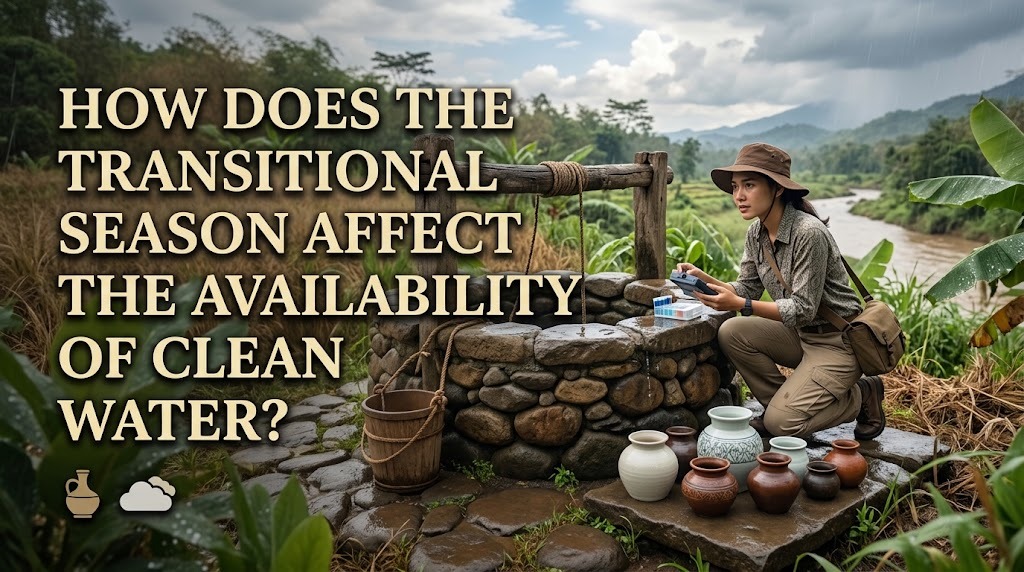
The transitional season, which occurs between the rainy and dry seasons, can significantly affect the availability of clean water. In Indonesia, this period often brings unpredictable rainfall, hot temperatures, and changing weather patterns. These conditions can influence the amount of water stored in rivers, reservoirs, and underground sources, as well as the quality of water available for daily use. Heavy rain may cause flooding and carry pollutants into water supplies, while extended dry periods can reduce the amount of water available. Understanding how the transitional season affects clean water availability helps communities prepare for shortages, protect water sources, and maintain public health.
CHANGES IN RAINFALL AFFECT WATER SUPPLIES
Rainfall is an important source of water for rivers, reservoirs, lakes, and underground aquifers. During the transitional season, rainfall can become irregular, with some areas receiving intense rain while others experience long periods without much precipitation. When rain is limited, water levels in reservoirs and rivers may gradually decline, especially if water consumption remains high. This can reduce the amount of water available for households, agriculture, and local businesses. Unpredictable rainfall can make water supply management more difficult, particularly in areas that depend heavily on seasonal rain.
Heavy rainfall does not always mean that more clean water becomes available. Some rainwater flows quickly over the ground instead of soaking into the soil, especially in urban areas with many paved surfaces. This runoff may enter rivers and drainage systems, carrying rubbish, soil, and other pollutants along the way. Although rainfall can replenish water sources, the water may still require treatment before it is safe to drink. Therefore, both the amount and quality of rainfall matter when determining clean water availability.
DROUGHT AND REDUCED WATER AVAILABILITY
During periods with little rainfall, communities may experience lower water levels in rivers, reservoirs, and shallow wells. High temperatures can increase evaporation from exposed water surfaces and contribute to greater water demand. If dry conditions continue, some water sources may become less reliable or temporarily unavailable. Households that depend on wells, small reservoirs, or rainwater collection can be particularly affected. Reduced water availability can create challenges for drinking, cooking, bathing, and sanitation.
Water shortages can also affect agriculture, schools, healthcare facilities, and local businesses. Farmers may struggle to provide enough water for crops and livestock, while communities may need to limit non-essential water use. In some areas, water suppliers may need to manage limited supplies or arrange alternative distribution methods. However, the severity of a shortage depends on local rainfall, storage capacity, infrastructure, and water demand. Planning for dry periods before supplies become critically low can help reduce disruptions.
HEAVY RAIN CAN CONTAMINATE CLEAN WATER SOURCES
Heavy rain can affect water quality by carrying pollutants from streets, farms, waste disposal areas, and other locations into rivers and reservoirs. Floodwater may contain sewage, animal waste, chemicals, and disease-causing microorganisms. If contaminated water enters wells or water distribution systems, it can make water unsafe for drinking and household use. People may not be able to identify contamination through appearance, smell, or taste alone. Clear-looking water is not always safe to drink.
Flooding can also damage water pipes, sanitation facilities, and treatment infrastructure. When these systems are disrupted, untreated wastewater or dirty floodwater may enter sources used by communities. Water providers may need to inspect equipment, test water quality, and restore treatment processes before normal service can safely resume. Residents should follow public health announcements and use safe alternative water sources when contamination is suspected. Protecting water sources from floodwater and sewage is essential during periods of heavy rainfall.
THE EFFECT OF WATER QUALITY ON HUMAN HEALTH
Access to clean water is necessary for drinking, preparing food, washing hands, and maintaining sanitation. When water becomes contaminated with harmful microorganisms, it can spread diseases such as diarrhea, cholera, and typhoid fever, depending on the type of contamination and local conditions. Chemical pollutants can also pose health risks when exposure occurs at harmful levels. These problems may become more likely when heavy rain or flooding damages sanitation systems and contaminates water supplies. Safe water treatment and proper hygiene are important ways to reduce these risks.
People should take extra care when the safety of their water supply is uncertain. Follow local health authorities' instructions about boiling, treating, or replacing drinking water. If officials advise boiling water, bring it to a rolling boil and follow their guidance for the recommended duration. Store treated water in clean, covered containers and avoid dipping unwashed hands or dirty utensils into it. Safe storage and appropriate treatment help prevent water from becoming contaminated again after collection.
THE ROLE OF GROUNDWATER AND WATER STORAGE
Groundwater is an important source of clean water for many households and communities in Indonesia. Rainwater can seep through the soil and replenish underground aquifers, but this process may take time and depends on soil conditions, land use, and the amount of rainfall. During extended dry periods, groundwater levels can fall when extraction exceeds natural replenishment. Shallow wells may become less reliable, while deeper wells can also be affected by prolonged shortages. Sustainable groundwater use is therefore important for maintaining supplies across changing seasons.
Reservoirs, water tanks, and rainwater collection systems can help communities manage changes in rainfall. During wetter periods, suitable storage systems can capture and hold water for later use. However, stored water must be protected from dirt, insects, chemicals, and other sources of contamination. Rainwater intended for drinking may require appropriate treatment and testing because it can collect pollutants from roofs, gutters, and storage containers. Reliable storage combined with proper water treatment can improve preparedness for periods of limited supply.
HOW PEOPLE CAN CONSERVE AND PROTECT CLEAN WATER
People can help maintain water availability by using water carefully throughout the transitional season. Simple actions include repairing leaking taps, taking shorter showers, turning off taps when they are not needed, and using only the amount of water required for cleaning. Households can also reuse suitable water for non-drinking purposes when it is safe and appropriate. Communities should avoid wasting treated water, particularly when reservoirs and groundwater levels are low. Water conservation helps reduce pressure on limited supplies.
Protecting water sources is equally important. Never dump rubbish, used oil, chemicals, or untreated wastewater into rivers, drains, or wells. Keep septic systems properly maintained and dispose of household waste according to local regulations. Communities can work with local authorities to monitor water quality, maintain public infrastructure, and improve sanitation services. Conserving water and preventing pollution together can support a more reliable supply of clean water during both wet and dry conditions.
CONCLUSION
The transitional season affects clean water availability through irregular rainfall, changing water levels, drought risks, and possible contamination from heavy rain and flooding. Dry conditions can reduce water supplies, while intense rainfall can damage infrastructure and introduce pollutants into water sources. These changes may affect household activities, agriculture, sanitation, and public health. By conserving water, protecting rivers and wells, maintaining storage systems, and following official water safety advice, communities can reduce these risks. Responsible water management and reliable treatment systems are essential for ensuring access to clean water throughout the transitional season.
Recent Posts

Bagaimana Sistem SKS pada Program Kuliah... 22.11.2026/54 View

How Does Technology Make Daily Evaluation... 21.11.2026/83 View

Apa Strategi Menghadapi Kesenjangan antara Kompetensi... 21.11.2026/82 View

Mengapa Inventaris Aset Penting bagi Kelancaran... 21.11.2026/78 View

When Should Musicians Join a Record... 21.11.2026/84 View
