

How Does the Work Accident Insurance Claim Process Work?
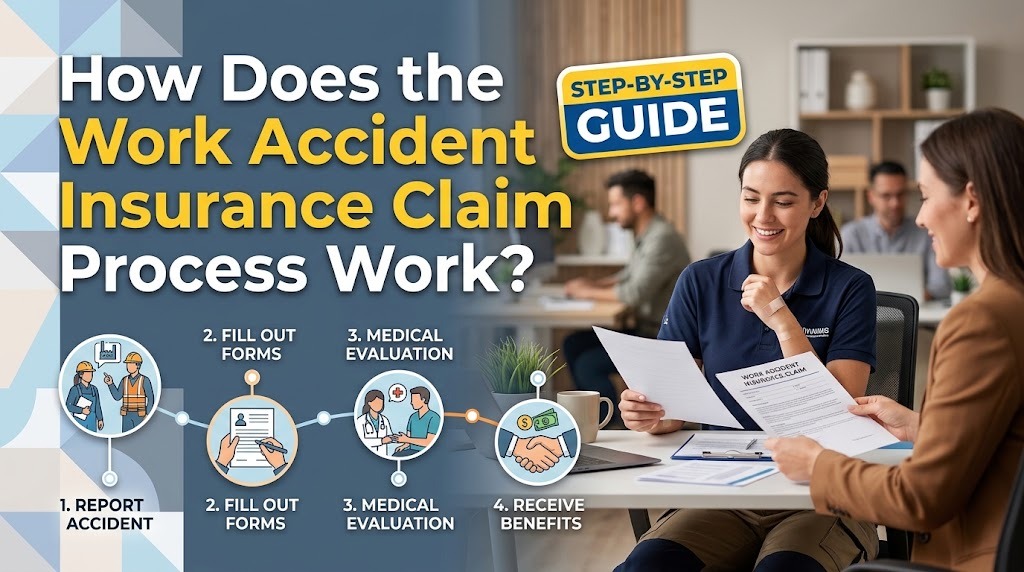
Workplace accidents can happen unexpectedly and may cause injuries, medical expenses, or temporary difficulties for employees. When these incidents occur, workers need to understand how to access the protection provided by their insurance programs. The work accident insurance claim process is designed to help eligible employees receive medical assistance and financial benefits according to applicable regulations. However, submitting a claim requires several steps, including reporting the incident, preparing documents, and completing the necessary verification. Understanding each stage can help employees and employers manage claims more effectively.
REPORTING THE WORKPLACE ACCIDENT
The first step in the work accident insurance claim process is reporting the incident to the employer or the responsible company representative. Employees should inform their supervisor, human resources department, or workplace safety officer as soon as possible after an accident occurs. A prompt report allows the company to record important details and begin the required administrative procedures. It also helps ensure that the employee receives appropriate medical assistance without unnecessary delays.
The accident report should contain accurate information about when and where the incident happened, what activities were being performed, and how the accident occurred. Employees should provide clear explanations and avoid leaving out important details. If the accident involves injuries that require immediate attention, medical treatment should take priority over administrative matters. The employee or an authorized representative can coordinate the necessary reporting afterward. Timely and accurate reporting provides an important foundation for the insurance claim process.
PREPARING THE REQUIRED DOCUMENTS
After the accident has been reported, the next step is preparing the documents needed to support the claim. These documents help the insurance provider verify the employee's identity, participation status, and circumstances of the workplace accident. Common requirements may include identification documents, BPJS Ketenagakerjaan participation information, an accident report, and medical records. Additional documents may be requested depending on the type of benefit being claimed and the applicable procedures.
Employees should coordinate with their human resources department to make sure that all required information is complete. They should also check whether the details in each document are consistent, particularly the employee's personal information and accident date. Missing documents or inaccurate information may create administrative difficulties and delay the claim assessment. Keeping copies of submitted documents can also help employees monitor their applications. Proper documentation makes the verification process more organized and transparent.
SUBMITTING THE INSURANCE CLAIM
Once the required documents are ready, the claim can be submitted through the procedures established by the relevant insurance provider. In Indonesia, the Jaminan Kecelakaan Kerja (JKK) program is managed by BPJS Ketenagakerjaan and provides protection for eligible workers experiencing occupational accidents or work-related illnesses. Employers generally play an important role in reporting incidents and submitting the necessary information for registered employees. Workers should maintain communication with their employers to ensure that the reporting process is completed properly.
The submission process may involve providing accident details, employment information, and supporting medical documents. Depending on the circumstances, the insurance provider may request additional explanations or records. Employees should follow the official instructions and respond to requests for further information. They should also keep relevant communication records for future reference. Submitting complete and accurate information can help the insurance provider assess the claim more efficiently.
CLAIM VERIFICATION AND ASSESSMENT
After receiving the claim, the insurance provider reviews the submitted documents and evaluates whether the incident meets the program's requirements. This process may involve checking the employee's participation status, employment records, accident report, and medical information. The purpose of verification is to determine whether the incident qualifies as a covered occupational accident and which benefits may apply. Additional clarification may be requested if the submitted information is incomplete or requires further examination.
The assessment also considers the type of assistance the employee may be eligible to receive. Depending on the circumstances, benefits may include medical treatment, rehabilitation, temporary disability assistance, or permanent disability compensation. The applicable benefits are determined according to the program's rules and the employee's condition. Employees should understand that not every workplace injury automatically qualifies for every type of benefit. Clear communication with the employer and insurance provider can help prevent misunderstandings during this stage.
RECEIVING BENEFITS AND MONITORING THE CLAIM
When a claim has been approved, eligible employees can receive benefits according to the provisions of their insurance program. Medical treatment may be provided through the appropriate healthcare arrangements, while financial compensation is handled according to the applicable requirements. The type and amount of assistance depend on the circumstances of the accident, the employee's condition, and the relevant regulations. Workers should review the information provided to understand which benefits have been approved.
Employees should also monitor their claim status until the process is completed. They can request updates from their human resources department or contact BPJS Ketenagakerjaan through its official service channels. If additional documents are required, workers should provide them according to the instructions received. Keeping records of claim submissions and official responses can make follow-up activities easier. By staying informed, employees can better understand their rights and ensure that they receive the benefits they are eligible for.
CONCLUSION
The work accident insurance claim process generally involves reporting the incident, preparing required documents, submitting the claim, completing verification, and receiving eligible benefits. Each stage requires accurate information and cooperation between employees, employers, healthcare providers, and the insurance provider. In Indonesia, BPJS Ketenagakerjaan manages the JKK program to provide protection against occupational accidents and work-related illnesses for eligible participants. Employees should understand the procedures and maintain proper documentation to avoid unnecessary administrative difficulties. A clear understanding of the claim process helps workers access insurance protection and receive appropriate assistance after workplace accidents.
Recent Posts

Bagaimana Sistem SKS pada Program Kuliah... 22.11.2026/37 View

How Does Technology Make Daily Evaluation... 21.11.2026/70 View

Apa Strategi Menghadapi Kesenjangan antara Kompetensi... 21.11.2026/73 View

Mengapa Inventaris Aset Penting bagi Kelancaran... 21.11.2026/68 View

When Should Musicians Join a Record... 21.11.2026/71 View
