

How Does Traditional Cuisine Become Part of Cultural Heritage?
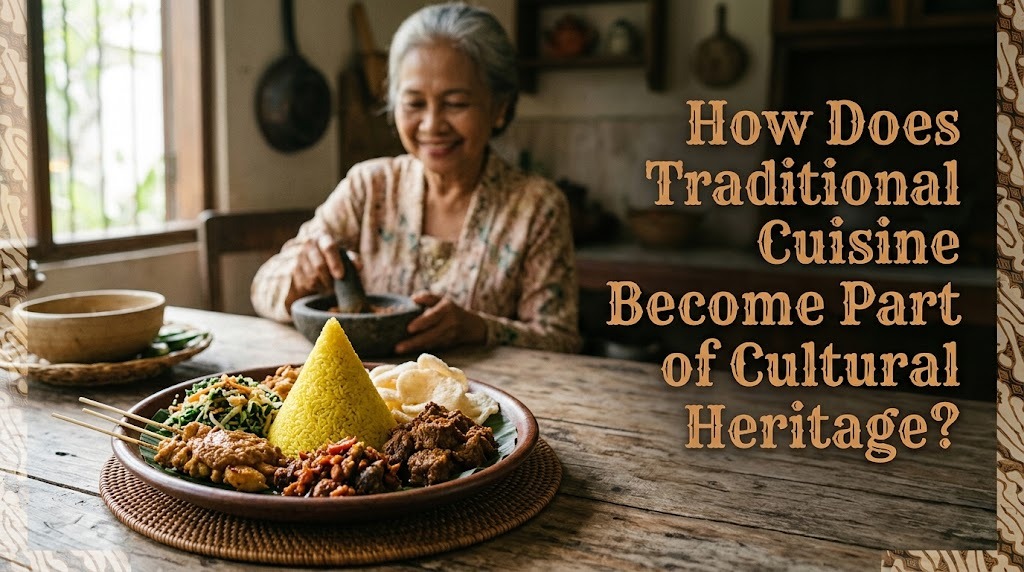
Traditional cuisine is an important part of cultural heritage because it reflects a community's history, identity, beliefs, and way of life. Food traditions develop over generations through local ingredients, cooking techniques, family recipes, and cultural practices. In Indonesia, traditional dishes such as rendang, gudeg, and pempek represent the distinctive culinary traditions of different regions. These foods are more than sources of nutrition because they also carry stories, memories, and knowledge passed down through families and communities. Understanding how traditional cuisine becomes part of cultural heritage helps explain why preserving food traditions is important for future generations.
THE ROLE OF HISTORY IN TRADITIONAL CUISINE
Traditional cuisine often develops through historical experiences and interactions between communities. Trade, migration, agriculture, and cultural exchange introduce new ingredients, spices, and cooking techniques that people adapt to local tastes. Over time, these influences become part of regional food traditions. In Indonesia, maritime trade helped spread spices and connected local communities with traders from different parts of the world. These historical connections contributed to the development of diverse culinary traditions across the archipelago.
Traditional dishes can also preserve memories of how communities lived in the past. The ingredients used in a recipe may reflect local farming practices, fishing activities, and the natural resources available in a particular region. Cooking methods can reveal how people preserved food before modern refrigeration became common. Family recipes may also reflect changes in society, including migration and adaptation to new environments. Through these connections, traditional cuisine becomes a source of historical knowledge and cultural identity.
TRADITIONAL CUISINE REFLECTS CULTURAL IDENTITY
Food is closely connected to the identity of a community because different regions often have distinctive ingredients, flavors, and cooking methods. Traditional dishes can represent local environments, cultural preferences, and shared experiences. For example, rendang is strongly associated with Minangkabau culture in West Sumatra, while gudeg is closely linked to Yogyakarta. Pempek is a well-known culinary specialty of Palembang in South Sumatra. These dishes help people recognize regional identities and appreciate the culinary diversity of Indonesia.
Traditional cuisine can also create a sense of belonging among people who share the same cultural background. Eating familiar dishes may remind individuals of their families, hometowns, and childhood experiences. For people living away from their home regions, traditional food can provide a meaningful connection with their cultural roots. Regional dishes are also shared during family gatherings, community celebrations, and cultural festivals. These experiences help maintain food traditions as part of everyday cultural life.
FAMILY RECIPES AND INTERGENERATIONAL KNOWLEDGE
Family recipes play an important role in passing traditional cuisine from one generation to another. Parents, grandparents, and other relatives often teach younger family members how to select ingredients, prepare spices, and use traditional cooking techniques. Some recipes are written down, while others are learned through observation, practice, and repeated family cooking sessions. This knowledge may include details that are difficult to describe in written instructions, such as recognizing the right texture or adjusting seasoning. As a result, cooking becomes a way to preserve practical skills and family memories.
Traditional cooking also provides opportunities for family members to share stories about the origins and meanings of particular dishes. Older relatives may explain when a recipe is prepared, which ingredients are traditionally used, or how the dish has changed over time. These conversations help children understand that food traditions are connected to broader cultural practices. When younger generations learn and continue preparing traditional dishes, they help maintain culinary knowledge that might otherwise be forgotten. Family participation therefore supports the preservation of cultural heritage through everyday activities.
THE CONNECTION BETWEEN FOOD AND CULTURAL CEREMONIES
Traditional cuisine often plays an important role in cultural ceremonies, religious celebrations, weddings, and community gatherings. Certain dishes are prepared for specific occasions because they carry symbolic meanings or follow established customs. Preparing and sharing these foods can express gratitude, hospitality, respect, and community solidarity. The meaning of a particular dish may differ between regions and communities, reflecting their individual histories and beliefs. Food therefore becomes part of the cultural practices that bring people together.
In Indonesia, many communities prepare special dishes for celebrations such as Eid al-Fitr, weddings, harvest festivals, and family gatherings. Ketupat, for example, is widely associated with Eid celebrations in many Indonesian communities. Tumpeng is commonly used in various ceremonial and celebratory settings, although its meaning and use can vary. These dishes are important not only because of their ingredients but also because of the occasions and relationships connected to them. By continuing these food traditions, communities maintain meaningful cultural practices across generations.
LOCAL INGREDIENTS AND TRADITIONAL COOKING METHODS
Traditional cuisine often reflects the natural environment in which a community developed. The availability of rice, fish, vegetables, spices, coconuts, and other local ingredients influences regional cooking styles. Communities also develop methods for preserving and preparing food based on their resources and needs. Techniques such as fermentation, smoking, drying, steaming, and slow cooking have helped people create distinctive flavors and preserve ingredients. These methods represent practical knowledge developed through experience over many generations.
Indonesia's culinary diversity illustrates the connection between food and local environments. Coastal communities often have access to a wide range of seafood, while agricultural regions may develop dishes using locally cultivated rice, vegetables, and spices. Rendang uses a combination of spices and coconut milk with a slow-cooking process that produces a rich flavor and texture. Other regional dishes rely on different ingredients and preparation techniques suited to local preferences. Preserving these methods helps maintain traditional culinary knowledge while supporting appreciation for regional food diversity.
HOW GLOBALIZATION INFLUENCES TRADITIONAL CUISINE
Globalization has changed how traditional cuisine is prepared, shared, and enjoyed. Travel, migration, international trade, and digital media have introduced regional dishes to wider audiences. Restaurants, food festivals, cooking programs, and social media allow people to discover foods from different cultures. Indonesian dishes are increasingly accessible to people outside their regions of origin and, in some cases, beyond Indonesia. This exposure can increase interest in traditional cuisine and create opportunities for culinary businesses.
However, globalization can also create challenges for preserving authentic food knowledge. Some recipes may be modified to suit commercial demands or unfamiliar tastes, while younger generations may have fewer opportunities to learn traditional cooking techniques. The use of substitute ingredients may also change a dish's original characteristics, although recipes naturally vary across families and regions. Preserving traditional cuisine does not mean that every recipe must remain unchanged. Instead, it involves documenting culinary knowledge, respecting its cultural origins, and ensuring that communities can continue practicing and teaching their food traditions.
HOW CAN WE PRESERVE TRADITIONAL CUISINE AS CULTURAL HERITAGE?
Preserving traditional cuisine begins with documenting recipes, ingredients, cooking methods, and the stories associated with particular dishes. Families can record recipes from older relatives, while researchers and cultural organizations can document regional culinary traditions. Cooking workshops, community festivals, and educational activities can provide opportunities for younger people to learn directly from experienced cooks. These activities help keep traditional food knowledge accessible and encourage appreciation for local culinary heritage. Documentation should also recognize that recipes may differ among families and communities.
Supporting local farmers, food producers, traditional markets, and small culinary businesses can also contribute to preservation. These groups often supply ingredients and maintain practices that support regional dishes. Schools can introduce students to traditional food through cultural projects, cooking demonstrations, and lessons about local history. Digital platforms can help share reliable recipes and culinary stories with wider audiences. Most importantly, preservation should involve the communities that maintain these traditions so that their knowledge, cultural values, and contributions receive proper recognition.
CONCLUSION
Traditional cuisine becomes part of cultural heritage when food traditions develop historical significance, express community identity, and pass from one generation to another. Local ingredients, cooking methods, family recipes, and ceremonial practices all contribute to the cultural meaning of traditional dishes. In Indonesia, regional foods such as rendang, gudeg, and pempek demonstrate how cuisine reflects the diversity and experiences of different communities.
Preserving traditional cuisine requires more than keeping recipes available. It also involves maintaining culinary skills, documenting food histories, supporting local producers, and encouraging younger generations to participate in traditional cooking. Although food traditions may evolve through cultural exchange and modernization, their historical roots and community connections remain valuable. By protecting these traditions, people can preserve an important part of cultural identity and pass meaningful culinary knowledge to future generations.
Recent Posts

Bagaimana Sistem SKS pada Program Kuliah... 22.11.2026/49 View

How Does Technology Make Daily Evaluation... 21.11.2026/76 View

Apa Strategi Menghadapi Kesenjangan antara Kompetensi... 21.11.2026/78 View

Mengapa Inventaris Aset Penting bagi Kelancaran... 21.11.2026/74 View

When Should Musicians Join a Record... 21.11.2026/78 View
