

How Does Transportation Management Improve Product Distribution Efficiency?
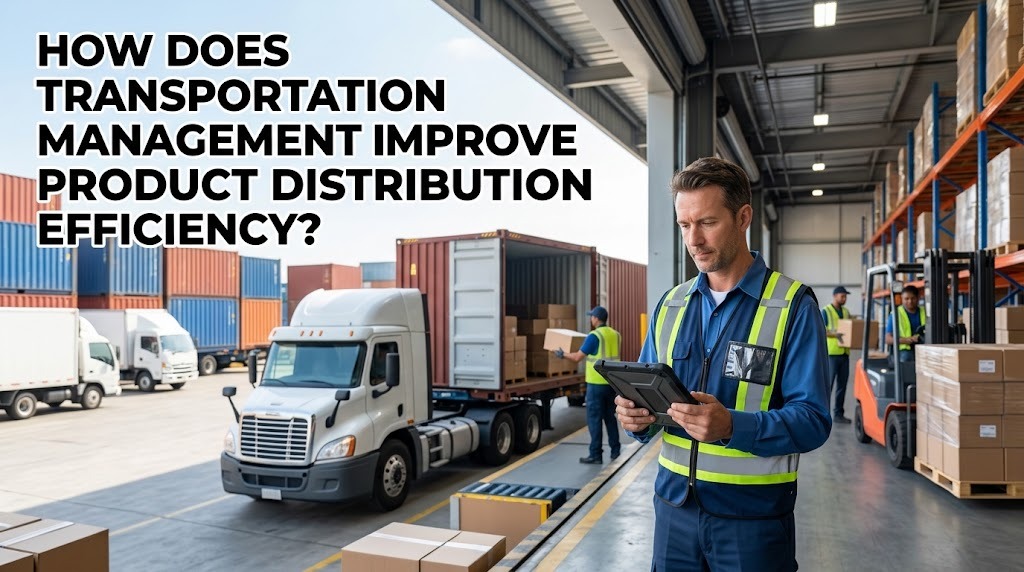
Transportation management is an essential part of logistics management because it determines how efficiently products move from suppliers and warehouses to customers. Businesses need reliable transportation systems to deliver goods on time, control shipping expenses, and maintain product quality. Without proper planning, companies may experience delivery delays, inefficient routes, excessive fuel consumption, and increased operational costs. Transportation management helps businesses organize vehicle use, select suitable routes, coordinate shipments, and monitor delivery performance. By improving these activities, companies can increase distribution efficiency and provide better customer service.
UNDERSTANDING TRANSPORTATION MANAGEMENT
Transportation management is the process of planning, organizing, and controlling the movement of goods between different locations. It includes selecting transportation providers, scheduling shipments, managing vehicle capacity, planning delivery routes, and monitoring transportation expenses. The main objective is to ensure that products reach their destinations safely, efficiently, and within the agreed timeframe. Businesses may use road, rail, sea, or air transportation depending on the type of product, delivery distance, budget, and urgency. Choosing the appropriate transportation method helps companies balance delivery speed and cost.
Transportation management also requires coordination between suppliers, warehouse employees, drivers, distribution centers, and customers. For example, warehouse teams must prepare orders before scheduled vehicles arrive for loading. Drivers need accurate delivery information to avoid unnecessary delays and incorrect destinations. Effective coordination helps prevent scheduling conflicts and ensures that products move smoothly through the distribution process. When transportation activities are properly organized, businesses can improve productivity and maintain more reliable delivery services.
OPTIMIZING DELIVERY ROUTES AND SCHEDULES
Route optimization is one of the most effective ways transportation management improves distribution efficiency. It involves selecting suitable routes based on delivery locations, road conditions, traffic congestion, vehicle capacity, and transportation costs. Efficient routes reduce unnecessary travel distances and help drivers complete more deliveries within a specific period. They can also lower fuel consumption and vehicle operating expenses. As a result, businesses can improve delivery performance while using transportation resources more effectively.
Proper scheduling is equally important because poorly planned departure times can create delays and unnecessary waiting. Companies should coordinate pickup times, warehouse preparation, and customer delivery windows to maintain a smooth workflow. GPS navigation and route planning software can help identify alternative routes when traffic or road closures disrupt planned journeys. However, managers must also consider road restrictions, driver working hours, and product handling requirements. Combining accurate scheduling with route optimization helps businesses achieve faster and more predictable deliveries.
REDUCING TRANSPORTATION AND DISTRIBUTION COSTS
Transportation expenses can represent a significant portion of a company's operating budget. Costs may include fuel, vehicle maintenance, driver wages, tolls, shipping fees, and loading activities. Transportation management helps control these expenses by improving route planning, selecting suitable carriers, and reducing unnecessary vehicle trips. Businesses can also consolidate multiple orders into a single shipment when delivery requirements and schedules allow. These strategies help companies use transportation capacity more efficiently without compromising service quality.
Another useful strategy is improving vehicle utilization. Companies should avoid sending vehicles with excessive unused capacity when shipments can be combined safely and efficiently. Regular vehicle maintenance can also prevent costly breakdowns and reduce unexpected interruptions. Managers can compare transportation providers based on service quality, reliability, and total cost rather than choosing the lowest price alone. By monitoring expenses and reviewing transportation performance, businesses can make better decisions and maintain cost-effective product distribution.
IMPROVING DELIVERY SPEED AND RELIABILITY
Delivery speed and reliability are important factors in efficient product distribution. Customers expect their orders to arrive within the promised timeframe, while businesses need dependable deliveries to maintain production schedules and sales operations. Transportation management improves reliability by coordinating departure times, selecting appropriate carriers, and monitoring shipment progress. It also helps companies identify potential delays before they significantly affect delivery schedules. These measures reduce uncertainty and improve the consistency of distribution services.
Businesses can use real-time shipment tracking to monitor vehicle locations and delivery progress. If a shipment encounters traffic congestion, severe weather, or another disruption, logistics teams can evaluate alternative arrangements. Clear communication between drivers, warehouse staff, and customers also helps prevent misunderstandings and manage expectations. Companies should monitor on-time delivery rates and investigate recurring causes of delays. By combining tracking technology with proactive planning, businesses can provide more dependable delivery services and improve customer satisfaction.
USING TECHNOLOGY IN TRANSPORTATION MANAGEMENT
Digital technology has made transportation management more efficient by improving planning, communication, and shipment visibility. Transportation management systems (TMS) help businesses organize shipments, compare carrier options, plan routes, and monitor transportation expenses. These systems can also centralize delivery information, making it easier for managers to coordinate activities across multiple locations. When integrated with inventory and warehouse systems, they help ensure that shipments are scheduled according to product availability and order readiness. This integration reduces communication gaps and supports more accurate distribution planning.
Advanced technologies such as artificial intelligence and data analytics can provide additional benefits. AI-powered tools may recommend routes, estimate delivery times, and identify patterns in transportation performance. Data analytics helps managers compare historical shipping costs, fuel consumption, and delivery records to identify opportunities for improvement. However, businesses must maintain accurate data, protect digital systems, and train employees to use the technology effectively. Selecting suitable tools based on business needs helps companies improve distribution efficiency without creating unnecessary complexity or expense.
MEASURING TRANSPORTATION PERFORMANCE
Businesses need to evaluate transportation performance regularly to determine whether their distribution strategies are effective. Key performance indicators (KPIs) provide measurable information about delivery reliability, transportation expenses, and resource utilization. Useful indicators include on-time delivery rate, cost per shipment, average delivery time, vehicle utilization, and fuel consumption. These measurements help managers identify inefficiencies and compare actual results with business targets. They also support decisions about route changes, carrier selection, and transportation planning.
Performance evaluation should lead to practical improvements rather than simply collecting numbers. For example, consistently high transportation costs may indicate inefficient routes, underused vehicles, or unfavorable shipping arrangements. A low on-time delivery rate may suggest problems with scheduling, carrier performance, or communication. Managers should investigate the causes and implement targeted solutions before measuring the results again. Continuous performance monitoring helps businesses adapt to changing conditions, control expenses, and maintain reliable product distribution.
CONCLUSION
Transportation management improves product distribution efficiency by optimizing delivery routes, controlling shipping expenses, increasing delivery reliability, and coordinating transportation resources. Digital systems and real-time tracking further help businesses monitor shipments and respond to unexpected disruptions. Regular performance measurement allows managers to identify problems and make informed improvements. By combining effective planning, suitable technology, and strong coordination, businesses can deliver products more efficiently while maintaining service quality. Ultimately, effective transportation management supports customer satisfaction, operational productivity, and long-term business competitiveness.
Recent Posts

Bagaimana Sistem SKS pada Program Kuliah... 22.11.2026/60 View

How Does Technology Make Daily Evaluation... 21.11.2026/87 View

Apa Strategi Menghadapi Kesenjangan antara Kompetensi... 21.11.2026/85 View

Mengapa Inventaris Aset Penting bagi Kelancaran... 21.11.2026/83 View

When Should Musicians Join a Record... 21.11.2026/87 View
