

How Effective Is Internship Integration Within Vocational Curriculum Frameworks?
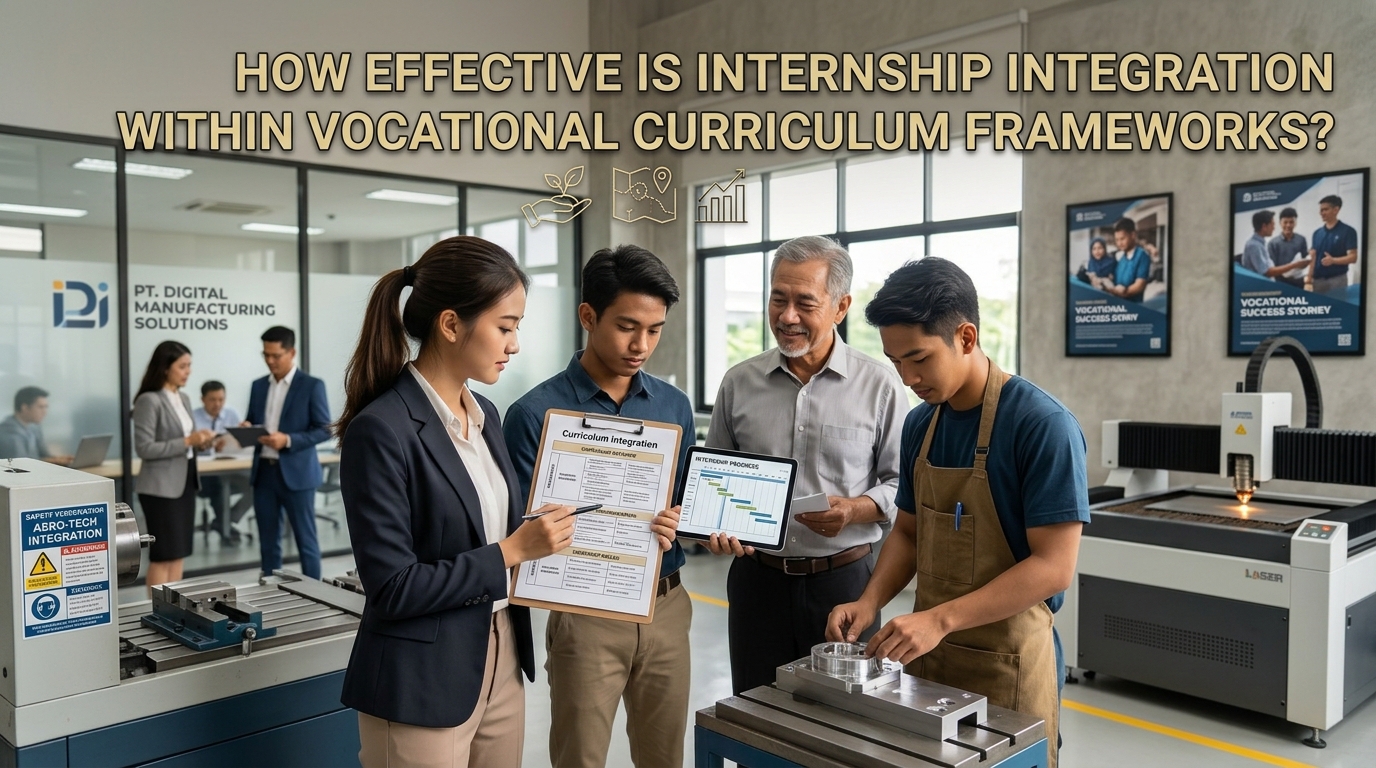
Integrating practical internships into vocational education has become a core strategy for modern workforce development. Educational institutions worldwide strive to connect classroom learning with actual workplace expectations. When students participate in structured internship programs, they gain first-hand exposure to professional environments, making the transition from school to career smoother and far more effective.
This integration directly addresses the persistent global challenge of skill mismatches between academic training and industry demands. Through real-world application, students transform theoretical concepts into practical competencies. Consequently, a well-designed vocational framework with embedded internships significantly enhances graduate employability and strengthens overall economic productivity.
BRIDGING THE GAP BETWEEN THEORY AND REAL WORLD PRACTICE
Traditional vocational training often faces criticism when it relies too heavily on simulated classroom environments. While textbook learning and lab workshops build foundational knowledge, they cannot fully replicate the fast-paced nature of actual workplaces. Internship integration solves this limitation by immersing students directly in professional industry settings where they handle real project demands and deadlines.
Through hands-on participation, students learn to apply technical concepts under the guidance of experienced workplace mentors. This direct interaction helps learners understand industry standards and modern technological workflows much faster. As a result, graduates emerge with verified practical capabilities that make them immediately productive upon entering the job market.
DEVELOPING ESSENTIAL TECHNICAL AND SOFT SKILLS
Participating in active internships allows vocational students to master industry-specific tools and specialized machinery that schools might not possess. Access to state-of-the-art corporate equipment ensures that training remains aligned with current market trends. Furthermore, students develop vital technical skills that boost their personal confidence and overall professional competence.
Equally important is the growth of essential soft skills through daily workplace interactions. Interns practice professional communication, teamwork, time management, and problem-solving in high-stakes environments. These combined technical and personal attributes transform students into well-rounded candidate profiles that modern recruiters actively seek.
STRENGTHENING INDUSTRY AND EDUCATION PARTNERSHIPS
A successful internship framework relies heavily on strong collaboration between educational institutions and private industry partners. When companies actively participate in curriculum design, they help ensure that learning objectives match actual commercial needs. This close cooperation creates a mutually beneficial ecosystem for both educators and business leaders
For employers, host institutions serve as a reliable pipeline for recruiting vetted, job-ready talent without high onboarding costs. For schools, corporate feedback provides valuable insights to continuously update and improve their academic syllabi. These enduring partnerships ultimately elevate the quality and reputation of the entire vocational education system.
OVERCOMING CHALLENGES IN INTERNSHIP IMPLEMENTATION
Despite its clear advantages, integrating internships into vocational frameworks presents several operational challenges. Many institutions struggle to secure enough quality placement slots for all enrolled students, leading to inconsistent training experiences. Without standardized guidelines, some internships risk turning into basic administrative chores rather than meaningful learning opportunities.
To maximize effectiveness, schools and industry partners must establish clear learning contracts and joint monitoring systems. Regular supervisor evaluations and structured student feedback ensure that internships remain educational and aligned with career goals. Overcoming these administrative hurdles is necessary to unlock the true potential of experiential learning programs.
CONCLUSION
In conclusion, internship integration within vocational curriculum frameworks is highly effective in preparing students for successful technical careers. By bridging theoretical knowledge with practical execution, internships equip learners with essential technical abilities, vital soft skills, and valuable industry exposure. Although implementation challenges exist, strong partnerships between schools and enterprises ensure a skilled, highly adaptable workforce for the future.
Recent Posts

Bagaimana Sistem SKS pada Program Kuliah... 22.11.2026/54 View

How Does Technology Make Daily Evaluation... 21.11.2026/83 View

Apa Strategi Menghadapi Kesenjangan antara Kompetensi... 21.11.2026/82 View

Mengapa Inventaris Aset Penting bagi Kelancaran... 21.11.2026/78 View

When Should Musicians Join a Record... 21.11.2026/84 View
