

How Has Digital Technology Changed the Radio Announcer Profession?
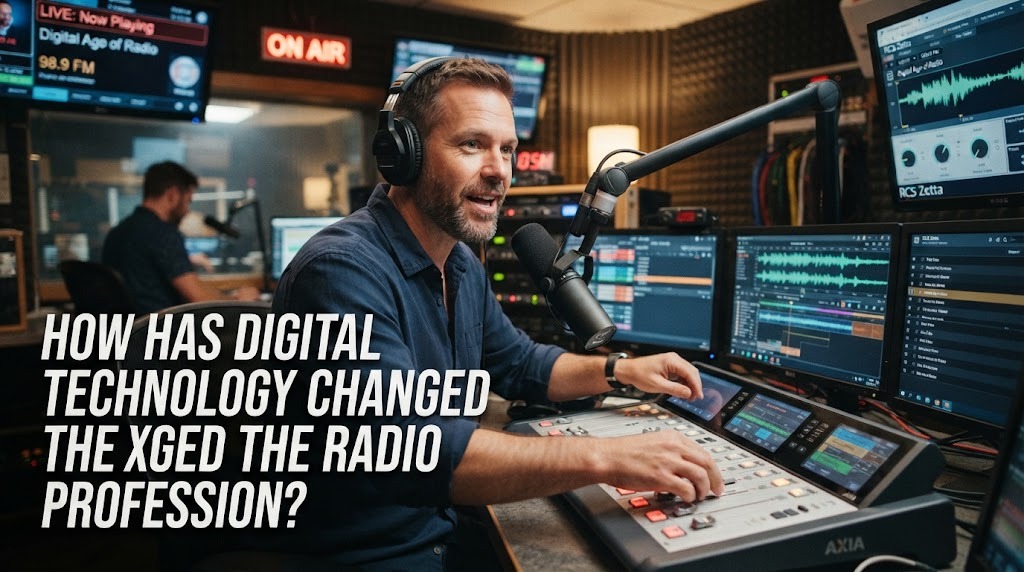
Digital technology has significantly changed the radio announcer profession. In the past, radio announcers mainly focused on speaking clearly, reading scripts, and interacting with listeners through traditional broadcasts. Today, their responsibilities can include creating digital content, managing online interactions, recording podcasts, and using modern broadcasting software. These changes have expanded the role of announcers beyond the traditional radio studio. Radio announcers now need to combine strong communication skills with basic digital abilities.
THE TRANSFORMATION OF RADIO BROADCASTING
Digital technology has changed how radio programs are produced and distributed. Traditional radio relied heavily on physical equipment, scheduled broadcasts, and terrestrial transmission. Modern stations can use digital audio systems, automated broadcasting software, internet streaming, and cloud-based production tools. These technologies allow announcers and production teams to manage audio content more efficiently. Programs can also reach audiences through smartphones, computers, and other connected devices.
This transformation has made radio more flexible and accessible. Listeners no longer have to depend only on a traditional radio receiver to hear a program. They can access broadcasts through websites, mobile applications, and online streaming platforms. As a result, radio announcers can communicate with audiences across wider geographic areas. Their work is increasingly connected to both traditional broadcasting and digital media.
RADIO ANNOUNCERS NOW CREATE DIGITAL CONTENT
Modern radio announcers are often expected to create content for platforms outside the main radio broadcast. They may produce short videos, social media posts, promotional clips, or podcast episodes. Some announcers also participate in livestreams and interact with audiences through digital platforms. This requires them to understand how content should be adapted for different formats. A long radio discussion, for example, may need to be transformed into a shorter and more engaging digital clip.
Digital content creation also changes the skills required from announcers. They may need basic knowledge of audio editing, video recording, content planning, and social media communication. These skills do not necessarily replace traditional broadcasting abilities, but they complement them. An announcer who can communicate effectively across several platforms can connect with audiences in more ways. This makes the profession more diverse than it was in the traditional broadcasting environment.
PODCASTS AND ON DEMAND AUDIO
The growth of podcasts has created another opportunity for radio announcers. Radio programs are traditionally associated with fixed schedules, while podcasts allow audiences to listen whenever they want. Announcers can use their broadcasting experience to host podcasts, conduct interviews, tell stories, or discuss specialized topics. Their familiar voice and communication techniques can help create a strong connection with listeners. Podcasting also allows announcers to reach audiences who may not regularly listen to scheduled radio programs.
On demand audio has also encouraged announcers to think more carefully about content structure. A podcast needs an introduction, clear discussion flow, and an engaging ending because listeners can stop listening at any time. Announcers may need to develop stronger storytelling and audience retention techniques. They can also analyze listener feedback and performance data to understand which topics attract attention. This creates a more measurable relationship between content and audience behavior.
SOCIAL MEDIA HAS CHANGED AUDIENCE INTERACTION
Social media has made communication between radio announcers and listeners more immediate. In traditional broadcasting, listeners might contact a station through telephone calls, text messages, or letters. Today, audiences can respond through comments, direct messages, live chats, and social media posts. Announcers can see audience reactions while a program is being broadcast. This allows them to create more interactive conversations.
However, digital interaction also requires greater responsibility. Announcers need to respond professionally and avoid spreading unverified information through their personal or professional accounts. They should also understand that online content can remain accessible and can be shared widely. Managing digital communication therefore becomes part of their professional role. Good online communication can strengthen audience relationships and support the reputation of a radio station.
DIGITAL TECHNOLOGY IMPROVES BROADCASTING EFFICIENCY
Modern broadcasting software can make many production tasks faster and more organized. Announcers can work with digital audio files, sound effects, music libraries, prerecorded segments, and automated scheduling systems. Digital tools can also simplify editing and allow audio content to be prepared more efficiently. This can give announcers more time to focus on communication and program quality. It also reduces some of the limitations associated with older analog production systems.
Remote broadcasting has become another important development. Depending on the station's equipment and network infrastructure, announcers may be able to participate in programs from locations outside the traditional studio. This can make coverage of events more flexible. Interviews can also be conducted remotely using internet communication tools. As a result, technology has expanded the possible working environment for radio professionals.
DATA HELPS ANNOUNCERS UNDERSTAND THEIR AUDIENCE
Digital platforms can provide information about how audiences interact with content. Radio stations may analyze listening statistics, streaming activity, podcast downloads, social media engagement, and other available metrics. This information can help program teams understand which topics or formats attract listeners. Announcers can use these insights when planning future content. However, audience data should be interpreted carefully because high engagement does not always mean that content provides high informational value.
The use of data also encourages a more audience-focused approach to broadcasting. Announcers can learn about listener preferences while still maintaining editorial standards. They can balance popular topics with useful and relevant information. Data therefore becomes a supporting tool rather than a replacement for professional judgment. The quality and accuracy of the content should remain central to broadcasting decisions.
NEW SKILLS ARE REQUIRED FROM RADIO ANNOUNCERS
Digital transformation means that radio announcers need a broader range of skills. Strong pronunciation, voice control, public speaking, and interviewing remain important. At the same time, announcers can benefit from skills in digital content creation, audio editing, social media, podcast production, and basic media technology. They also need to understand how audiences consume information across different platforms. Continuous learning has therefore become an important part of developing a modern broadcasting career.
Technology also increases the importance of adaptability. New platforms and broadcasting tools can appear quickly, requiring professionals to learn new workflows. Announcers who are willing to develop their technical and communication skills can adjust more easily to changes in the media industry. However, technology should support communication rather than replace the human qualities of broadcasting. Authenticity, empathy, creativity, and clear communication remain valuable skills.
THE FUTURE OF THE RADIO ANNOUNCER PROFESSION
The radio announcer profession is likely to continue evolving as broadcasting becomes increasingly connected with digital media. Traditional radio, online streaming, podcasts, social media, and other forms of audio content can exist together. This means future announcers may work as multimedia communicators rather than focusing exclusively on live radio. They may need to produce content for several platforms while maintaining a consistent professional identity.
Artificial intelligence and automation may also influence broadcasting workflows. Some routine production tasks can increasingly be supported by automated systems, but human announcers continue to provide qualities that technology cannot fully replicate, such as personal interaction, spontaneous conversation, emotional connection, and contextual judgment. The future role of the announcer will therefore likely involve working alongside technology rather than simply competing with it. Strong communication skills combined with digital literacy can help announcers remain relevant as the media environment changes.
CONCLUSION
Digital technology has transformed the radio announcer profession from a primarily traditional broadcasting role into a broader multimedia communication profession. Announcers now have opportunities to work with streaming services, podcasts, social media, digital production tools, and audience analytics. Their responsibilities have expanded, requiring both traditional broadcasting abilities and new digital skills.
Despite these changes, the core role of a radio announcer remains communication. A successful announcer still needs to speak clearly, understand the audience, deliver reliable information, and create engaging conversations. Digital technology provides new tools and platforms, but human communication remains at the center of the profession. By continuously developing their skills, radio announcers can adapt to technological changes while continuing to connect effectively with audiences.
Recent Posts

Bagaimana Sistem SKS pada Program Kuliah... 22.11.2026/35 View

How Does Technology Make Daily Evaluation... 21.11.2026/69 View

Apa Strategi Menghadapi Kesenjangan antara Kompetensi... 21.11.2026/69 View

Mengapa Inventaris Aset Penting bagi Kelancaran... 21.11.2026/67 View

When Should Musicians Join a Record... 21.11.2026/68 View
