

How Has Technology Changed the Way Film Actors Work?
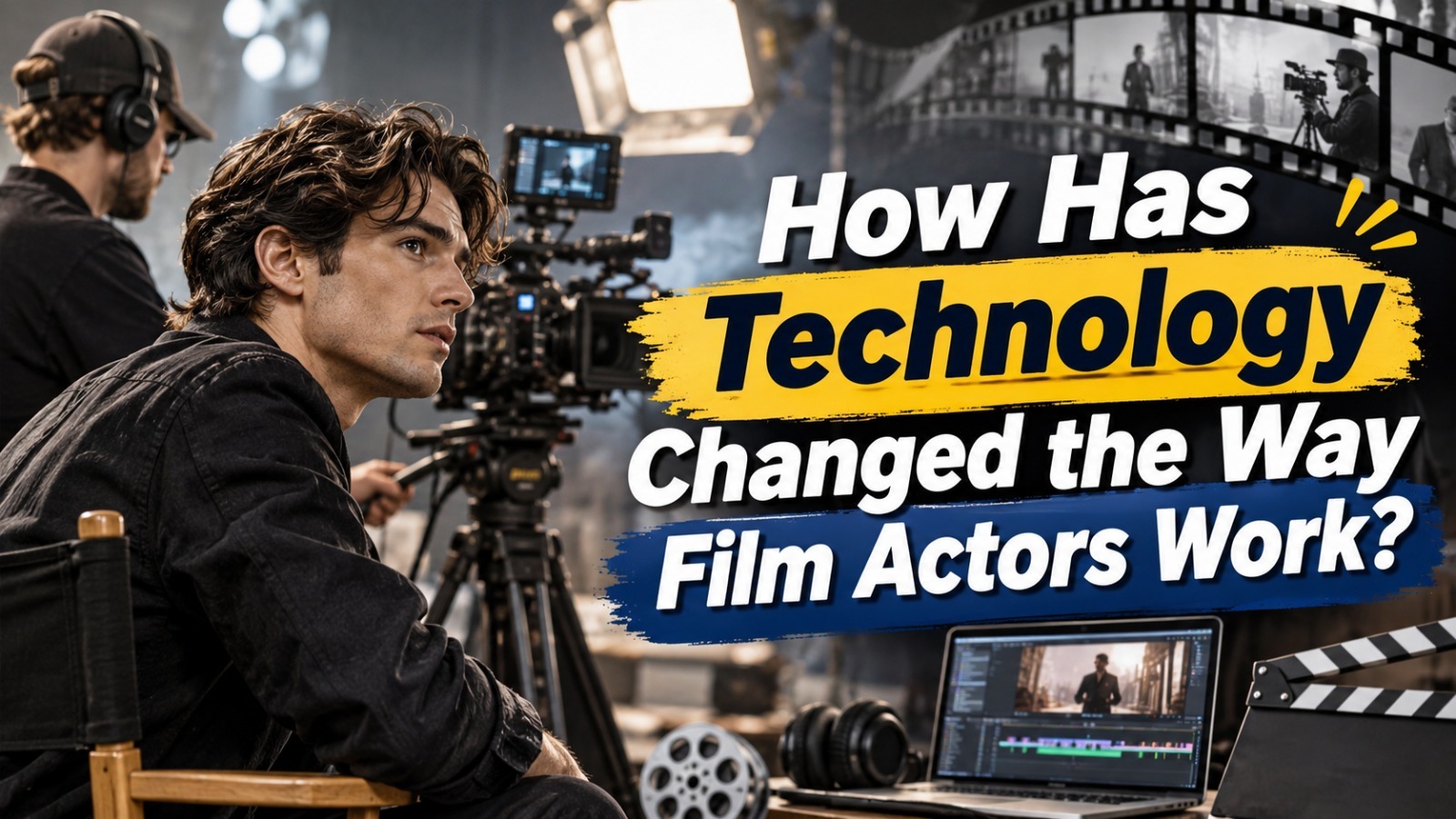
Technology has transformed many aspects of the film industry, including how actors prepare, perform, and collaborate during movie production. In the past, filmmaking relied heavily on traditional cameras, physical sets, and practical production techniques. Today, digital cameras, computer-generated imagery, artificial intelligence, and advanced editing software have introduced new ways to create cinematic experiences.
These developments have changed the responsibilities and working methods of film actors. Performers may now work with digital environments, motion capture systems, virtual production technology, and remote communication tools. Understanding these changes is important because technology in the film industry continues to influence acting techniques, production processes, and the skills required to work professionally.
INTRODUCING DIGITAL CAMERAS AND MODERN FILMING EQUIPMENT
Digital cameras have changed the way film productions record and manage performances. Compared with traditional film cameras, digital equipment allows production teams to review recorded footage more quickly and make adjustments during filming. This can help actors and directors evaluate performances without waiting for lengthy processing procedures.
Modern cameras also provide different recording capabilities, including high-resolution images, flexible framing, and improved low-light performance. These features allow filmmakers to capture detailed facial expressions, subtle movements, and emotional reactions. As a result, actors need to understand how their performances appear on camera, particularly when working with close-up shots that capture even small changes in expression.
Digital equipment can also make communication between actors and production teams more efficient. Directors can review recorded scenes and provide immediate feedback about dialogue delivery, movement, or emotional expression. Modern filming technology helps create a more flexible production environment while giving actors opportunities to refine their performances during the filming process.
EXPANDING ACTING POSSIBILITIES THROUGH CGI AND VISUAL EFFECTS
Computer-generated imagery, commonly known as CGI, allows filmmakers to create digital characters, environments, objects, and visual elements that may be difficult to produce using traditional methods. This technology has expanded the types of stories that can be presented on screen, particularly in fantasy, science fiction, and adventure films.
For actors, performing in productions that use CGI may require a different approach. They sometimes need to interact with objects or characters that will be added during post-production. For example, an actor may perform a conversation while looking at a reference object or responding to directions from the director, even though the final digital character is not physically present on set.
This situation requires imagination, concentration, and an understanding of the scene's visual requirements. Actors must maintain believable reactions and consistent eye contact with the intended character or object. CGI and visual effects allow actors to participate in more imaginative storytelling while requiring them to adapt their performances to digitally created environments.
USING MOTION CAPTURE AND PERFORMANCE CAPTURE TECHNOLOGY
Motion capture is a technology that records physical movements and uses the collected information to create digital character animation. In some productions, actors wear specialized suits or markers that help recording systems capture their body movements. These movements can later be applied to digital characters in a film.
Performance capture can also record additional elements of an actor's performance, including facial expressions and other movements. This allows filmmakers to translate important aspects of a human performance into a digital character. Actors can therefore contribute to roles that may have completely different appearances from their own physical characteristics.
Working with motion capture requires actors to understand movement, spatial awareness, and the technical instructions provided by the production team. They may need to perform in specially prepared spaces with limited physical scenery. Although the final character is created digitally, the actor's interpretation remains important in communicating emotions and personality. Motion capture technology has expanded opportunities for performers to portray characters that would be difficult to present through conventional acting methods.
SUPPORTING REMOTE COLLABORATION AND VIRTUAL PRODUCTION
Digital communication tools have made it easier for film professionals to coordinate activities across different locations. Actors may participate in online script discussions, virtual rehearsals, production meetings, and casting sessions. These tools can reduce the need for certain preliminary activities to take place in person, particularly when cast members or production teams are located in different cities or countries.
Virtual production has also introduced new approaches to filmmaking. Using large digital displays and real-time visual environments, production teams can present virtual backgrounds directly on set. Actors may perform in front of these environments instead of relying entirely on physical sets or backgrounds added during post-production.
This technology can help actors understand the setting of a scene while filming. However, they still need to adjust their movements, expressions, and timing according to the director's instructions and technical requirements. Remote collaboration and virtual production can improve coordination and create new creative possibilities, although they also require actors to become familiar with different production methods.
CHANGING ACTORS' SKILLS AND PROFESSIONAL RESPONSIBILITIES
As filmmaking technology develops, actors may need to learn additional skills beyond traditional performance techniques. Understanding camera framing, digital rehearsals, motion capture procedures, and virtual production environments can help them work more effectively with modern production teams. Digital literacy is increasingly useful because actors regularly interact with technology throughout different stages of their careers.
Technology has also influenced how actors present their professional profiles. Digital portfolios, showreels, online casting platforms, and social media allow performers to introduce their abilities to casting directors and audiences. These platforms can make professional information more accessible and provide additional ways to discover acting opportunities.
At the same time, technological developments introduce important responsibilities related to privacy, digital identity, and the use of an actor's image or voice. Productions using digital replicas, AI-generated materials, or performance data should consider consent, appropriate permissions, and clear agreements. Actors need to understand how their recorded performances may be used and protected. Adapting to technological change therefore involves not only learning new tools but also understanding professional and ethical responsibilities.
CONCLUSION
Technology has changed the way film actors work through digital cameras, CGI, motion capture, remote collaboration, and virtual production. These developments have expanded creative possibilities and introduced new methods for recording, developing, and presenting performances. Actors now have opportunities to portray a wider range of characters while working with increasingly advanced production systems.
However, technology does not replace the importance of acting ability, creativity, and emotional interpretation. Actors still need to understand their characters, communicate effectively, and deliver convincing performances. By combining traditional acting skills with technological knowledge and professional awareness, film actors can adapt to the changing demands of the modern entertainment industry.
Recent Posts

How Does Technology Make Daily Evaluation... 21.11.2026/63 View

Apa Strategi Menghadapi Kesenjangan antara Kompetensi... 21.11.2026/64 View

Mengapa Inventaris Aset Penting bagi Kelancaran... 21.11.2026/60 View

When Should Musicians Join a Record... 21.11.2026/59 View

Daily Evaluation or Daily Planning Which... 21.11.2026/67 View
