

How Important Is the Role of Homeroom Teachers in Preventing School Bullying?
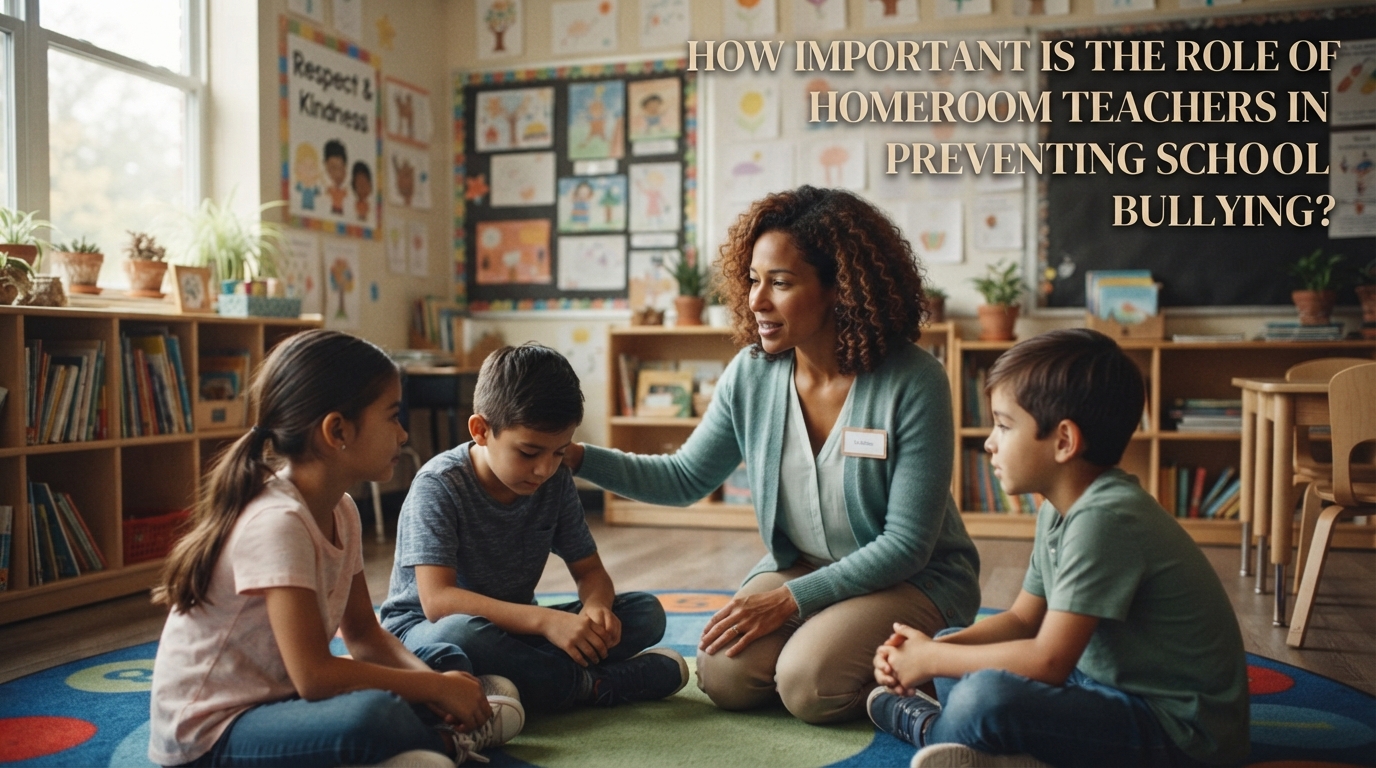
School bullying is a serious problem that can affect students' emotional well-being, academic performance, social relationships, and sense of safety. Bullying can take different forms, including physical aggression, verbal harassment, social exclusion, and cyberbullying. These behaviors may cause students to experience fear, stress, loneliness, and a lack of confidence. Therefore, preventing bullying requires attention and cooperation from the entire school community.
Homeroom teachers have an important role in preventing bullying because they regularly interact with students and monitor their classroom development. They can recognize changes in student behavior, encourage positive relationships, and provide guidance about respectful communication. They also serve as a connection between students, parents, subject teachers, school counselors, and school administrators. Through consistent supervision, early intervention, and effective communication, homeroom teachers can help create a safer and more supportive school environment.
1. RECOGNIZING EARLY SIGNS OF SCHOOL BULLYING
One of the most important responsibilities of homeroom teachers is recognizing the early signs of bullying. Students who experience bullying may become quieter, avoid certain classmates, lose interest in school activities, or show sudden changes in their academic performance. Some students may also frequently complain about physical discomfort, appear anxious, or become reluctant to attend school. Early identification helps teachers recognize possible problems before they become more serious. However, these signs do not automatically prove that bullying has occurred, so teachers need to investigate carefully.
Homeroom teachers should observe classroom interactions and pay attention to students who appear isolated or repeatedly become targets of negative behavior. They can also create opportunities for private conversations so students feel more comfortable sharing their experiences. Teachers should listen without blaming, judging, or forcing students to explain everything immediately. By understanding the situation carefully, they can determine the appropriate steps to protect students and prevent further incidents.
2. BUILDING A SAFE AND SUPPORTIVE CLASSROOM ENVIRONMENT
A safe classroom environment is an important foundation for preventing bullying. Homeroom teachers should establish a culture where students respect differences in personality, appearance, background, abilities, and opinions. They need to explain that insulting, threatening, humiliating, or excluding classmates is unacceptable behavior. Mutual respect and inclusion help students understand that everyone deserves to feel safe and appreciated at school. A positive classroom atmosphere also encourages students to develop healthy friendships.
Teachers can strengthen this environment through daily habits, such as encouraging polite communication, organizing cooperative activities, and addressing disrespectful behavior immediately. They should also make sure that classroom rules apply fairly to everyone. Students need to understand that kindness and responsibility are not optional but important parts of school life. When respect becomes a shared classroom value, opportunities for bullying can be reduced.
3. EDUCATING STUDENTS ABOUT THE DANGERS OF BULLYING
Education is an important part of preventing bullying because students need to understand what bullying means and why it is harmful. Homeroom teachers can explain different forms of bullying, including physical, verbal, social, and online harassment. They should also clarify the difference between ordinary disagreements and repeated aggressive behavior involving a power imbalance. Bullying awareness helps students recognize harmful actions that they may previously have considered harmless jokes. This knowledge encourages students to think carefully about how their behavior affects others.
Teachers can deliver bullying prevention education through classroom discussions, educational videos, role-playing activities, and group assignments. Students should learn how to respond safely when they witness bullying and how to seek help from trusted adults. Teachers can also discuss the importance of responsible social media use and respectful online communication. Regular education helps build awareness and encourages students to become part of the solution.
4. ENCOURAGING STUDENTS TO REPORT BULLYING INCIDENTS
Many students hesitate to report bullying because they fear retaliation, embarrassment, or being ignored. Some may also worry that reporting an incident will damage their friendships or make the situation worse. Homeroom teachers should create a trustworthy environment where students feel safe asking for help. Confidential and accessible reporting channels can make it easier for students to communicate their experiences. Teachers should explain that reporting bullying is a responsible action rather than a sign of weakness.
Students should have several appropriate ways to report incidents, such as private conversations, school reporting systems, or direct communication with designated staff members. Teachers must respond seriously and avoid dismissing complaints as ordinary jokes or minor disagreements. They should protect students' privacy while sharing necessary information with authorized school personnel. Every report should be handled carefully, fairly, and according to school procedures.
5. TAKING APPROPRIATE ACTION WHEN BULLYING OCCURS
Preventing bullying also requires teachers to respond appropriately when an incident takes place. Homeroom teachers should prioritize the immediate safety of students and stop harmful behavior when it is safe to intervene. They need to gather relevant information by listening to the students involved and speaking with witnesses when appropriate. Prompt and fair intervention helps prevent further harm and demonstrates that bullying is taken seriously. Teachers should avoid making premature judgments before understanding the circumstances.
After gathering information, teachers should follow school policies and coordinate with counselors, administrators, and parents when necessary. Students who experience bullying need protection, emotional support, and appropriate follow-up. Students who engage in bullying should receive suitable consequences and guidance to understand the impact of their actions. The goal is not only to stop the behavior but also to prevent it from happening again.
6. PROVIDING EMOTIONAL SUPPORT TO VICTIMS OF BULLYING
Students who experience bullying may face emotional difficulties that affect their confidence, concentration, friendships, and academic progress. Homeroom teachers should provide a supportive space where these students can express their feelings without fear of being judged. They need to listen patiently, acknowledge the students' experiences, and reassure them that bullying is not their fault. Emotional support is essential for helping affected students regain confidence and feel safer at school.
Teachers should also monitor students' conditions after an incident has been reported. They can arrange regular conversations, coordinate classroom support, and help students reconnect with positive social activities. If students show serious or persistent emotional difficulties, teachers should refer them to qualified school counselors or appropriate professionals. Consistent support helps students understand that they are not facing the problem alone.
7. WORKING TOGETHER WITH PARENTS AND SCHOOL STAFF
Bullying prevention becomes more effective when homeroom teachers cooperate with parents and other school personnel. Parents may notice behavioral changes at home that are not immediately visible at school. Meanwhile, subject teachers and school counselors may have additional information about students' classroom interactions and emotional conditions. School and family cooperation allows relevant concerns to be identified and addressed more consistently.
Homeroom teachers should communicate important information professionally while protecting students' privacy. They can arrange meetings with parents, discuss appropriate intervention strategies, and coordinate follow-up activities with school administrators. Schools should also provide clear procedures for reporting, investigating, and handling bullying incidents. Through teamwork, the school community can establish a stronger system of protection and prevention.
8. TEACHING EMPATHY AND POSITIVE SOCIAL BEHAVIOR
Empathy helps students understand how their words and actions can affect other people. Homeroom teachers should encourage students to respect differences, recognize others' feelings, and avoid behaviors that cause emotional or physical harm. Empathy and social awareness are important qualities for developing healthy friendships and preventing bullying. Students who understand the importance of kindness are more likely to build respectful relationships with their classmates.
Teachers can develop empathy through group discussions, cooperative projects, role-playing activities, and classroom reflection. They should also encourage students to support classmates who experience unfair treatment, provided they can do so safely. Students need to understand that witnessing bullying without seeking help can allow harmful behavior to continue. By promoting positive social values, teachers help create a classroom culture based on compassion, responsibility, and mutual respect.
CONCLUSION
Homeroom teachers play an important role in preventing school bullying because they are directly involved in students' daily classroom experiences and personal development. Their responsibilities include recognizing early warning signs, building a safe classroom environment, educating students, encouraging reporting, and taking appropriate action when bullying occurs. They must also provide emotional support and cooperate with parents, counselors, and other school personnel.
However, bullying prevention should not depend on homeroom teachers alone. Schools, families, students, and the wider educational community need to work together to create effective prevention and response systems. A safe school environment begins with awareness, empathy, consistent supervision, and responsible action. Through these efforts, every student can have a better opportunity to learn, develop confidence, and build positive relationships without fear of bullying.
Recent Posts

How Does Technology Make Daily Evaluation... 21.11.2026/56 View

Apa Strategi Menghadapi Kesenjangan antara Kompetensi... 21.11.2026/58 View

Mengapa Inventaris Aset Penting bagi Kelancaran... 21.11.2026/52 View

When Should Musicians Join a Record... 21.11.2026/53 View

Daily Evaluation or Daily Planning Which... 21.11.2026/60 View
