

How Is Digital Tax Reporting Changing the Tax System in Indonesia?
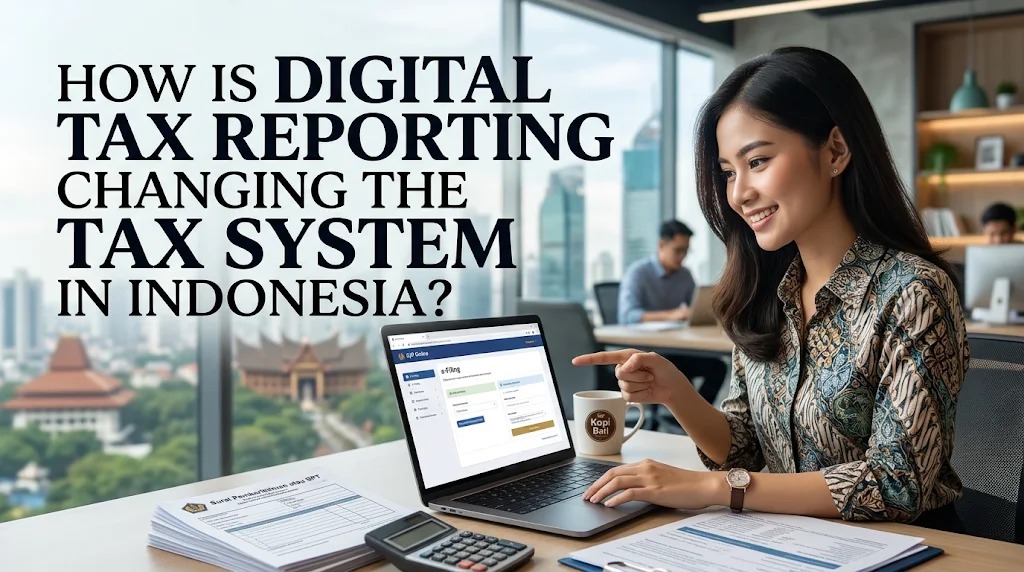
Digital technology has transformed many aspects of public administration, including the way governments manage taxation. Processes that previously relied heavily on physical documents and direct visits to tax offices are increasingly supported by online services. In Indonesia, the development of digital tax administration has changed how individuals and businesses access information, fulfill reporting obligations, and manage their tax responsibilities.
Digital tax reporting is becoming an important part of the modernization of Indonesia's tax system. Through integrated platforms, electronic documents, and automated administrative features, taxpayers can complete various tax-related activities more conveniently. These developments also support the government's efforts to improve administrative efficiency, data management, and tax compliance.
SIMPLIFYING THE TAX REPORTING PROCESS THROUGH DIGITAL SERVICES
One of the most noticeable changes brought by digital tax reporting is the simplification of administrative procedures. In conventional systems, taxpayers often needed to prepare printed documents, visit tax offices, and complete several manual steps to submit their annual returns. Digital services allow many of these activities to be completed through online platforms.
In Indonesia, the Directorate General of Taxes has developed digital services to support tax administration. One important development is Coretax DJP, an integrated system designed to manage various tax services, including registration, reporting, payment administration, and taxpayer information. Through this system, taxpayers can access relevant services without relying entirely on conventional administrative procedures.
The availability of online services can also reduce the time and effort needed to manage tax obligations. Taxpayers can prepare information, access reporting features, and monitor certain administrative processes through digital channels. Simplified tax administration makes it easier for individuals and businesses to manage their responsibilities more systematically.
INTEGRATING TAX DATA AND ADMINISTRATIVE INFORMATION
Digital transformation also changes how tax authorities collect, organize, and manage taxpayer information. Previously, administrative data could be distributed across different systems and documents, making information management more complicated. Integrated digital platforms help connect relevant tax information within a more coordinated administrative environment.
Data integration can support the management of taxpayer identities, income information, payment records, and reporting activities. When information is organized within an integrated system, tax authorities can manage administrative processes more efficiently. Taxpayers may also benefit from easier access to certain information related to their tax obligations.
However, data integration requires accurate information and reliable system management. Inconsistent records, outdated personal details, or incorrect financial entries can still create administrative problems. Therefore, taxpayers need to ensure that the information they provide is correct and updated. Integrated tax data management can support a more organized tax system when combined with accurate records and appropriate data governance.
IMPROVING TAXPAYER ACCESSIBILITY AND SERVICE QUALITY
Digital tax reporting provides opportunities for taxpayers to access administrative services more flexibly. Individuals and businesses can use online platforms to obtain information, manage certain tax activities, and submit required documents without always visiting a tax office. This convenience can be especially useful for taxpayers who live far from administrative service centers or have limited time during working hours.
Online services can also improve access to tax information. Taxpayers can review instructions, obtain guidance, and use available digital features to understand their reporting responsibilities. When supported by clear information and responsive assistance, these services can help reduce confusion during the tax reporting process.
Nevertheless, digital accessibility is not the same for everyone. Some taxpayers may have limited internet access, insufficient digital skills, or difficulty understanding online procedures. The government therefore needs to continue improving digital infrastructure, user assistance, and educational resources. Accessible digital tax services should accommodate different levels of technological experience so that more people can benefit from administrative modernization.
ENHANCING TAX COMPLIANCE AND ADMINISTRATIVE TRANSPARENCY
Digitalization can support tax compliance by making administrative information easier to manage and review. Electronic reporting systems provide structured processes for submitting tax returns and maintaining transaction records. These features can help taxpayers monitor their reporting activities and reduce certain manual administrative errors.
For tax authorities, digital systems can support more organized data processing and administrative supervision. Information collected through official platforms may help identify inconsistencies and support the review of tax obligations in accordance with applicable regulations. However, digital systems do not automatically eliminate errors or guarantee that every taxpayer complies with tax requirements.
Transparency also depends on how clearly tax procedures, reporting requirements, and administrative decisions are communicated. Taxpayers need accessible explanations about their responsibilities, while tax authorities need reliable systems to protect information and maintain accountability. Digital transparency and effective data management can contribute to stronger trust between taxpayers and public institutions.
STRENGTHENING DATA SECURITY AND DIGITAL INFRASTRUCTURE
As tax administration becomes increasingly digital, the protection of personal and financial information becomes more important. Tax reporting platforms handle sensitive data, including taxpayer identities, income details, financial transactions, and business information. Any weaknesses in system security could create risks for both taxpayers and government institutions.
Digital tax systems therefore require appropriate security measures, including account authentication, access controls, data protection procedures, and regular system maintenance. Taxpayers also have responsibilities when using online services. They should create strong passwords, protect authentication codes, avoid suspicious links, and access tax platforms through official websites.
In addition to security, reliable digital infrastructure is essential for maintaining service quality. Platforms need to function properly, handle user activity, and provide clear instructions when technical problems occur. Continuous system improvements and effective technical support can help maintain public confidence in digital tax administration. Strong cybersecurity and reliable infrastructure are essential foundations for a modern tax system.
CONCLUSION
Digital tax reporting is changing Indonesia's tax system by simplifying administrative procedures, integrating taxpayer information, improving service accessibility, and supporting tax compliance. The development of platforms such as Coretax DJP reflects the government's efforts to modernize tax administration through more coordinated digital services.
However, successful digital transformation requires more than introducing online platforms. Data security, reliable infrastructure, digital literacy, and accessible public assistance must also receive attention. Taxpayers need to understand how to use official services and maintain accurate financial information. With continuous improvements, digital tax reporting can support a more efficient, transparent, accessible, and reliable tax administration system in Indonesia.
Recent Posts

How Does Technology Make Daily Evaluation... 21.11.2026/58 View

Apa Strategi Menghadapi Kesenjangan antara Kompetensi... 21.11.2026/60 View

Mengapa Inventaris Aset Penting bagi Kelancaran... 21.11.2026/56 View

When Should Musicians Join a Record... 21.11.2026/55 View

Daily Evaluation or Daily Planning Which... 21.11.2026/63 View
