

How Is Digital Technology Transforming Logistics Management in Modern Businesses?
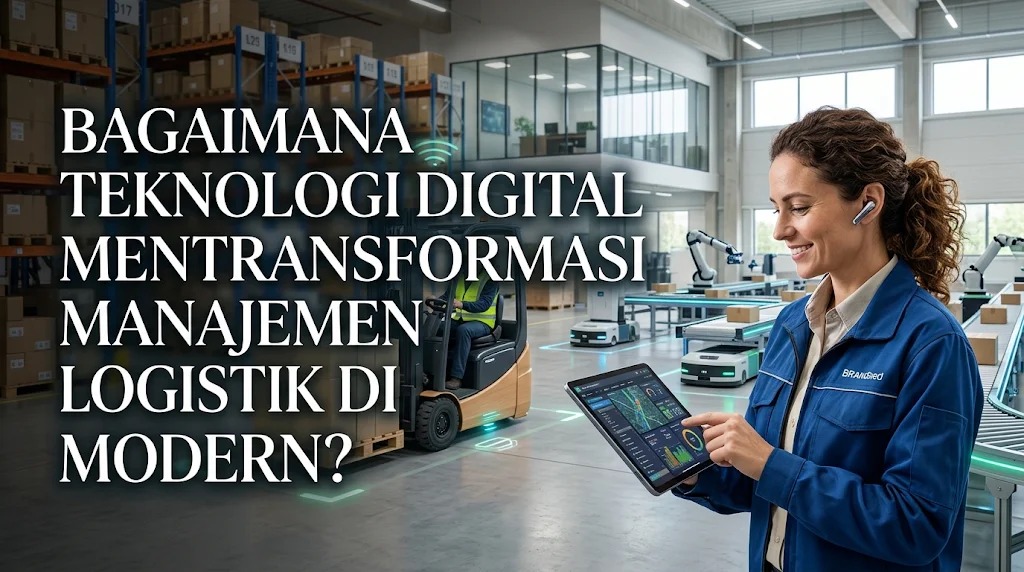
Digital technology has significantly changed how modern businesses manage logistics operations. In the past, many companies depended on manual processes to monitor inventory, arrange transportation, process orders, and manage product distribution. These methods often required considerable time and increased the possibility of human errors. Today, digital solutions allow businesses to manage logistics activities more efficiently, accurately, and systematically.
As business competition becomes increasingly demanding, companies need faster and more reliable logistics systems to meet customer expectations. Technologies such as artificial intelligence, cloud computing, automation, and real-time tracking help businesses improve operational performance. These innovations also provide better access to information, making it easier for companies to identify problems and make informed decisions. By adopting suitable digital technologies, businesses can reduce operational expenses, improve distribution processes, and strengthen their competitiveness.
IMPROVING LOGISTICS OPERATIONS THROUGH AUTOMATION
Automation technology helps businesses complete various logistics activities with less manual involvement. Companies can use automated systems to process orders, record inventory movements, organize warehouse activities, and manage product distribution. For example, automated warehouse equipment can help employees move, sort, and prepare products more quickly. This technology reduces repetitive tasks and allows workers to focus on activities that require human judgment and supervision.
Furthermore, automation can improve operational accuracy by reducing mistakes during data entry and product handling. Businesses can implement barcode scanners and automated inventory systems to record stock movements more consistently. These systems also make it easier to identify missing products and monitor warehouse activities. With properly implemented automation, companies can improve productivity, save processing time, and maintain more organized logistics operations.
USING REAL-TIME TRACKING FOR BETTER DISTRIBUTION CONTROL
Real-time tracking technology allows companies to monitor the movement of products throughout the delivery process. Using GPS devices, digital tracking platforms, and connected sensors, businesses can obtain updated information about shipment locations and transportation progress. This information helps logistics managers determine whether deliveries are following their planned schedules. If unexpected problems occur, companies can respond more quickly and make necessary adjustments.
In addition, real-time tracking improves communication between businesses, logistics providers, and customers. Customers can receive shipment updates and estimated arrival times without repeatedly contacting customer service. Companies can also use tracking information to evaluate transportation performance and identify recurring delivery problems. As a result, this technology increases distribution transparency, improves delivery coordination, and helps businesses build greater customer trust.
OPTIMIZING INVENTORY AND WAREHOUSE MANAGEMENT WITH DIGITAL SYSTEMS
Digital technology has made inventory management more accurate and efficient. Businesses can use inventory management software to monitor product quantities, record stock movements, and identify items that need to be reordered. These systems help companies maintain appropriate inventory levels based on customer demand and sales activities. Accurate inventory information also reduces the risk of product shortages and excessive stock accumulation.
Meanwhile, Warehouse Management Systems (WMS) help companies organize storage activities and manage products more systematically. A WMS can support product identification, storage allocation, order picking, and stock monitoring through a centralized digital platform. Employees can locate products more easily and prepare customer orders with fewer mistakes. By integrating digital inventory and warehouse systems, businesses can improve storage efficiency, accelerate order processing, and reduce unnecessary operational costs.
APPLYING ARTIFICIAL INTELLIGENCE AND DATA ANALYTICS
Artificial intelligence (AI) is becoming an important technology in modern logistics management because it helps businesses analyze large amounts of operational information. AI systems can examine historical sales data, customer demand, transportation patterns, and inventory records to identify useful trends. Companies can use these insights to forecast product demand and prepare appropriate stock levels. More accurate forecasts help businesses avoid shortages while reducing unnecessary storage expenses.
Furthermore, data analytics can support better transportation planning and operational decision-making. AI-powered systems can analyze traffic conditions, delivery locations, and transportation schedules to recommend more efficient routes. Some systems can also identify potential disruptions and help companies prepare alternative delivery plans. Although these technologies require investment and reliable data, their implementation can improve planning accuracy, reduce delays, and support more efficient logistics operations.
STRENGTHENING BUSINESS COMPETITIVENESS THROUGH DIGITAL INTEGRATION
Digital integration allows different logistics activities to operate through connected information systems. Companies can connect purchasing, inventory management, warehouse operations, transportation, and customer service to create a more coordinated workflow. This integration reduces information gaps between departments and helps employees access the data they need. Consequently, businesses can process orders faster and respond more effectively to changing operational requirements.
Moreover, digital logistics systems can improve customer experiences by providing accurate order information, faster communication, and more dependable delivery services. Businesses can evaluate performance indicators such as delivery times, order accuracy, transportation expenses, and inventory turnover to identify areas that require improvement. However, companies must also consider cybersecurity, employee training, system maintenance, and implementation costs when adopting digital solutions. With proper planning and continuous evaluation, digital integration can help businesses develop more efficient operations and achieve sustainable competitive advantages.
CONCLUSION
Digital technology is transforming logistics management by making business operations faster, more accurate, and better connected. Automation, real-time tracking, digital inventory systems, artificial intelligence, and data analytics help companies improve product distribution and reduce operational inefficiencies. These technologies also support better decision-making and strengthen coordination between different departments.
However, successful digital transformation requires appropriate investment, employee training, reliable data, and effective system management. Companies should select technologies based on their operational needs and long-term business objectives. By integrating digital solutions into logistics activities, businesses can improve customer satisfaction, strengthen distribution performance, and remain competitive in the modern business environment.
Recent Posts

How Does Technology Make Daily Evaluation... 21.11.2026/62 View

Apa Strategi Menghadapi Kesenjangan antara Kompetensi... 21.11.2026/63 View

Mengapa Inventaris Aset Penting bagi Kelancaran... 21.11.2026/59 View

When Should Musicians Join a Record... 21.11.2026/58 View

Daily Evaluation or Daily Planning Which... 21.11.2026/66 View
