

How Is Digitalization Transforming Economic Activities and Modern Society?
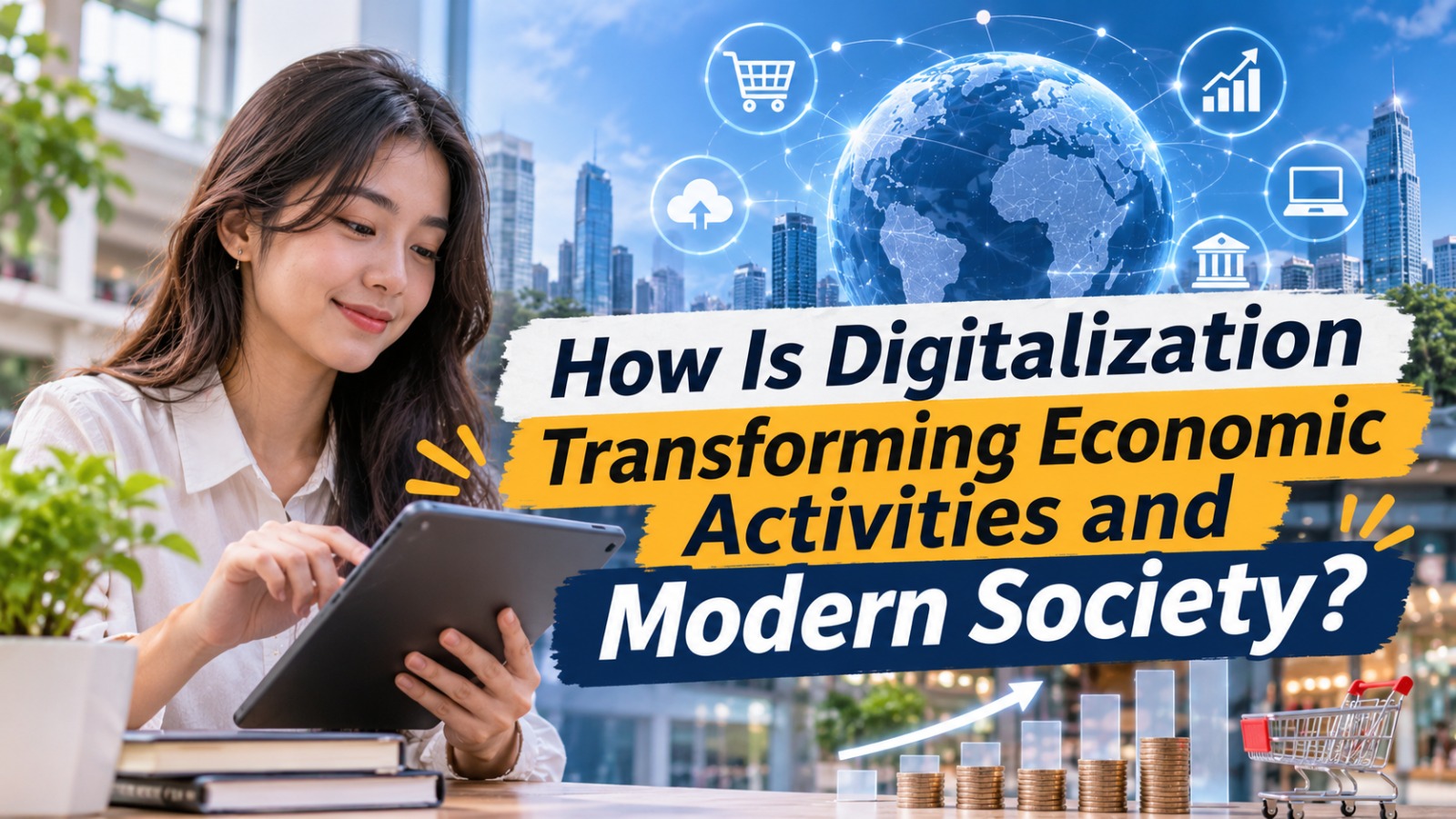
Digitalization has become one of the most important developments influencing economic activities and modern society. The increasing use of digital technology, internet connectivity, and online platforms has changed how people work, communicate, shop, and conduct business. Many activities that previously required physical interactions can now be completed through digital services. Businesses can reach customers more easily, individuals can explore new sources of income, and communities can access information more quickly. Although digitalization provides many advantages, it also creates challenges related to employment, data security, and unequal access to technology. Understanding these developments is essential for recognizing how digitalization shapes modern economic and social life.
THE TRANSFORMATION OF TRADITIONAL ECONOMIC ACTIVITIES
Digitalization has significantly changed traditional economic activities by introducing faster and more flexible business processes. In the past, many businesses depended on physical stores, printed advertisements, and direct transactions to sell their products. Today, companies can use websites, online marketplaces, and social media to promote and distribute their products to wider audiences. This development allows businesses to reach customers beyond their local markets without always establishing physical branches.
Digital payment systems have also transformed financial transactions. Customers can purchase products using mobile banking, digital wallets, and other electronic payment services. These methods make transactions more convenient and reduce dependence on physical cash. However, businesses and consumers must understand how to use digital financial services safely. Financial literacy and digital security awareness are important to prevent fraud and protect personal information.
THE GROWTH OF DIGITAL BUSINESS AND ENTREPRENEURSHIP
Digitalization has created new opportunities for entrepreneurship by making business activities more accessible. Individuals can start small businesses through online marketplaces and social media without needing large investments in physical infrastructure. Products such as clothing, food, accessories, and handmade items can be marketed directly to potential customers through digital platforms.
Furthermore, digital technology helps business owners understand customer preferences and monitor market developments. Online advertising, customer reviews, and digital analytics provide useful information for improving products and services. Small and medium-sized enterprises can also compete more effectively by using digital marketing strategies and online distribution systems. Nevertheless, business owners need to maintain product quality, customer trust, and reliable services. Digital entrepreneurship and innovation can support economic growth when combined with effective business management.
THE IMPACT OF DIGITALIZATION ON EMPLOYMENT AND CAREER OPPORTUNITIES
Digitalization has changed the employment sector by introducing new professions and transforming existing occupations. Many companies now require employees who understand digital applications, data management, online communication, and technological systems. As businesses become increasingly dependent on digital operations, workers need to improve their abilities to remain competitive.
At the same time, digital platforms have created alternative employment opportunities. Freelancers, remote employees, online educators, content creators, and digital marketing specialists can offer their services to clients from different locations. These opportunities provide greater flexibility and allow individuals to explore income sources beyond traditional employment. However, automation may also reduce demand for certain repetitive tasks. Therefore, digital skills, adaptability, and continuous learning are essential for preparing workers to face changes in the modern job market.
CHANGES IN SOCIAL INTERACTION AND EVERYDAY LIFESTYLES
Digitalization influences more than economic activities because it also changes how people interact and manage their daily lives. Messaging applications, video calls, and social media allow individuals to communicate with family members, friends, and colleagues regardless of geographical distance. Information can be shared quickly, making communication more convenient and accessible.
Digital services have also changed everyday activities such as shopping, transportation, education, and entertainment. People can order food, book transportation, attend online classes, and access various entertainment services through smartphones. Although these developments save time, excessive dependence on digital devices may reduce physical interaction and encourage unhealthy screen habits. Society should therefore maintain a balance between technological convenience and direct human relationships. Responsible digital behavior helps individuals enjoy technological benefits without neglecting their personal and social responsibilities.
CHALLENGES OF DIGITALIZATION IN MODERN SOCIETY
Despite its advantages, digitalization creates several challenges that require serious attention. One major issue is the digital divide, which refers to unequal access to internet connections, technological devices, and digital knowledge. People living in remote areas or communities with limited financial resources may find it difficult to benefit from digital services. This situation can create differences in economic opportunities and access to information.
Another important challenge involves cybersecurity and personal data protection. Online transactions, digital communication, and internet-based business activities may expose users to fraud, identity theft, and data breaches. Misinformation is also a concern because inaccurate information can spread rapidly through digital platforms. Governments, businesses, and individuals need to improve digital education, strengthen security systems, and promote responsible internet use. Data protection, digital literacy, and equal technological access are essential for creating a safer and more inclusive digital society.
THE FUTURE OF DIGITALIZATION AND ECONOMIC DEVELOPMENT
Digitalization will continue influencing economic development as new technologies become more advanced and widely adopted. Artificial intelligence, cloud computing, automation, and data analysis are expected to support businesses in improving productivity and making better decisions. These technologies can also encourage innovation in industries such as healthcare, education, agriculture, transportation, and manufacturing.
However, future economic development should not focus entirely on technological advancement. Governments and businesses must ensure that digital transformation provides benefits to different communities. Improving internet infrastructure, supporting small businesses, and providing digital skills training can help more people participate in the digital economy. Individuals should also remain willing to learn and adjust to new developments. Inclusive digital growth and responsible innovation can help create economic opportunities while improving the quality of life in modern society.
CONCLUSION
Digitalization has transformed economic activities and modern society through online businesses, digital payments, new employment opportunities, and faster communication. These developments allow individuals and businesses to operate more efficiently while accessing wider markets and information. However, challenges such as cybersecurity risks, digital inequality, and changing employment requirements must also be addressed.
To maximize the benefits of digitalization, society needs to improve digital literacy, strengthen data protection, and provide equal access to technological resources. Individuals and businesses should also continue developing their abilities to adapt to technological changes. Ultimately, digitalization can support sustainable economic growth and improve modern life when technology is used responsibly, effectively, and inclusively.
Recent Posts

How Does Technology Make Daily Evaluation... 21.11.2026/57 View

Apa Strategi Menghadapi Kesenjangan antara Kompetensi... 21.11.2026/59 View

Mengapa Inventaris Aset Penting bagi Kelancaran... 21.11.2026/55 View

When Should Musicians Join a Record... 21.11.2026/54 View

Daily Evaluation or Daily Planning Which... 21.11.2026/61 View
