

How Is Online Hate Changing Digital Communication Culture?
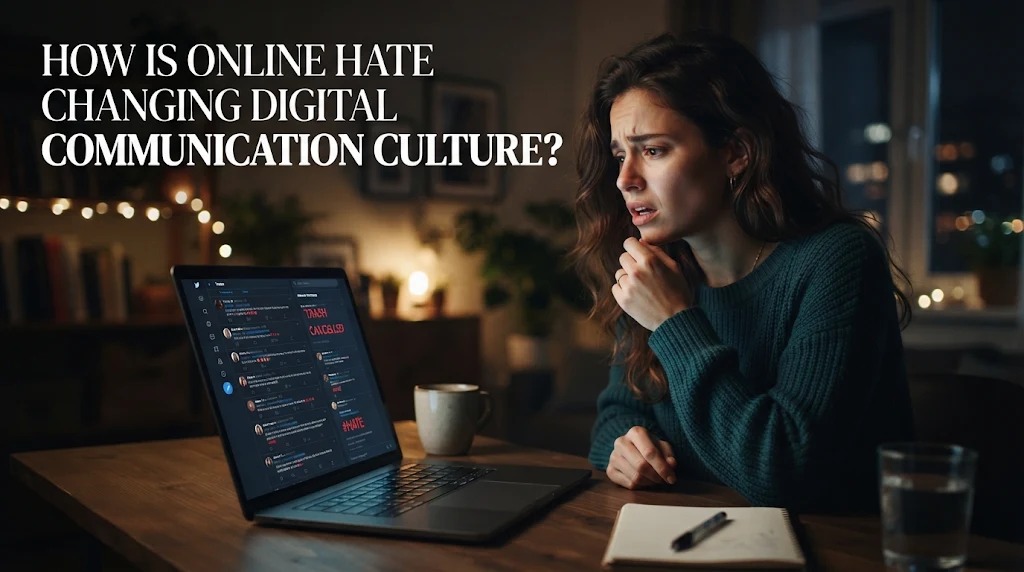
Digital communication has transformed the way people interact, share information, and build relationships. Social media platforms, online forums, messaging applications, and digital communities allow individuals to communicate instantly with people from different backgrounds. These technologies create opportunities for collaboration and knowledge sharing, but they also make it easier for negative behavior to spread.
Online hate has become a challenge in many digital spaces. Insults, harassment, discriminatory remarks, and aggressive arguments can influence how people express themselves and interact with others. As negative interactions become more visible, they can gradually change communication habits, reduce trust, and make some users hesitant to participate in online discussions. Understanding these changes is important for building a healthier digital communication culture.
ONLINE DISCUSSIONS BECOME MORE AGGRESSIVE
One noticeable effect of online hate is the increase in aggressive communication. Discussions that begin with different opinions can quickly turn into arguments when participants use insults, sarcasm, or personal attacks. Instead of focusing on the topic, some users attempt to embarrass or discredit people who disagree with them.
This behavior can make digital conversations less productive. Users may become more interested in winning arguments than exchanging information or understanding different perspectives. When aggressive communication becomes common, respectful discussions can become harder to maintain.
PEOPLE BECOME MORE AFRAID OF EXPRESSING OPINIONS
Online hate can discourage people from sharing their thoughts publicly. Some users worry that expressing an unpopular opinion will expose them to ridicule, criticism, or harassment. This concern may become stronger when they have previously experienced negative reactions.
As a result, individuals may avoid discussing certain subjects or limit their participation in online communities. This can reduce the diversity of perspectives available in digital discussions. A healthy communication culture should allow people to express different opinions without being subjected to personal attacks or intimidation.
ANONYMITY CAN INFLUENCE ONLINE BEHAVIOR
Many digital platforms allow users to communicate without displaying their real identities. Anonymity can provide legitimate privacy and make it easier for people to discuss sensitive experiences. However, it can also be misused by individuals who want to insult or harass others while feeling less exposed.
Some users may become more aggressive when they believe their identities cannot easily be discovered. This perceived distance can weaken their sense of responsibility toward other people. Consequently, digital communication requires clear community standards and responsible behavior, regardless of whether users reveal their identities.
NEGATIVE CONTENT CAN DOMINATE PUBLIC DISCUSSIONS
Hateful comments can attract considerable attention because they often provoke strong emotional reactions. Arguments, controversial statements, and personal attacks may encourage other users to reply, share, or participate in discussions. This can make negative content highly visible within certain online communities.
However, not every popular or widely shared post represents the majority opinion. The visibility of a controversial comment should not automatically be interpreted as public agreement. Users need to evaluate online discussions carefully and avoid assuming that the loudest voices represent everyone.
TRUST BETWEEN DIGITAL USERS DECLINES
Online hate can make people more suspicious of other users. Repeated exposure to insults, scams, harassment, or misleading information may cause individuals to question the intentions behind digital interactions. This can affect their willingness to communicate openly with unfamiliar people.
Reduced trust can also influence online communities, professional networks, and digital collaborations. People may become more cautious about sharing personal experiences or asking questions. Building trust requires consistent respect, reliable information, and responsible communication from everyone involved.
CYBERBULLYING BECOMES A GREATER CONCERN
Online hate can develop into cyberbullying when someone is repeatedly targeted through digital communication. This behavior may include threatening messages, humiliating posts, spreading rumors, sharing private information, or encouraging others to attack a particular person.
Cyberbullying can affect emotional well-being, confidence, social relationships, and daily activities. Victims may become reluctant to use digital platforms or participate in online communities. Recognizing the difference between ordinary disagreement and repeated harassment is important for ensuring that harmful behavior receives an appropriate response.
CONTENT CREATORS FACE GREATER PRESSURE
Content creators are particularly exposed to public reactions because their work is regularly shared with large audiences. Videos, photographs, opinions, and personal experiences can attract both supportive responses and negative comments. Some creators may receive criticism that focuses on their appearance, lifestyle, relationships, or personal decisions rather than their actual content.
Repeated online hostility can create pressure to maintain a particular image or avoid controversial topics. Some creators may also feel less comfortable experimenting with new ideas. This can affect creativity and make digital communication more focused on avoiding criticism than expressing authentic perspectives.
DIGITAL COMMUNICATION BECOMES MORE CAREFULLY MANAGED
As online hate becomes a concern, many users and organizations pay greater attention to how digital conversations are managed. Social media users may limit comments, filter certain words, block abusive accounts, or review privacy settings. Businesses and online communities may also establish moderation rules to maintain respectful interactions.
These measures can improve digital safety, although they require careful implementation. Moderation should address genuine harassment without unnecessarily suppressing respectful disagreement. Clear guidelines help users understand which behaviors are acceptable and how to report harmful content.
THE IMPORTANCE OF DIGITAL LITERACY IN MODERN COMMUNICATION
Digital literacy is increasingly important because users need more than technical skills to communicate effectively online. They must understand how to evaluate information, recognize harmful content, protect personal data, and interact respectfully with different audiences.
Schools, workplaces, families, and community organizations can support digital literacy through education and practical guidance. Users should learn how to distinguish facts from opinions, recognize misleading information, and respond appropriately to online conflict. These abilities can help prevent misunderstandings and encourage more responsible digital participation.
HOW PEOPLE CAN BUILD A HEALTHIER DIGITAL COMMUNICATION CULTURE
Creating a positive digital environment requires cooperation between individual users, content creators, online communities, and platform providers. Everyone has a role in reducing unnecessary hostility and encouraging meaningful discussions.
Several practical actions can help:
- Think before posting: Consider whether a message is respectful, accurate, and useful before publishing it.
- Respect different perspectives: Disagree with ideas without attacking someone's identity or personal characteristics.
- Verify information: Check reliable sources before sharing accusations, rumors, or potentially misleading content.
- Avoid spreading hateful messages: Do not share or encourage content that deliberately humiliates or threatens others.
- Support targeted individuals: Offer assistance to people experiencing harassment instead of blaming them.
- Use moderation tools: Block, mute, and report accounts that repeatedly engage in abusive behavior.
- Encourage constructive discussions: Focus on exchanging information and finding solutions rather than creating personal conflicts.
Consistent application of these habits can make online communication more respectful, inclusive, and useful.
CONCLUSION
Online hate is changing digital communication culture by encouraging aggressive discussions, discouraging open expression, reducing trust, and increasing concerns about cyberbullying. It can also place pressure on content creators and make users more cautious about participating in digital communities.
However, these changes are not inevitable. Through digital literacy, responsible communication, effective moderation, and respect for different perspectives, people can help create safer online environments. Digital platforms should remain spaces where individuals can exchange ideas, develop relationships, and express themselves without being subjected to unnecessary hostility.
Recent Posts

Bagaimana Cara Menghadapi Haters di Dunia... 11.11.2026/35 View

Apa Cara Terbaik Membuktikan Profesionalisme Ketika... 11.11.2026/34 View

Bagaimana Cara Memanfaatkan Artificial Intelligence untuk... 11.11.2026/47 View

Mengapa Konten Kreator Sering Mendapat Komentar... 11.11.2026/36 View

Apa Manfaat Automasi dan Artificial Intelligence... 11.11.2026/36 View
