

How Is Technology Changing OTP Code Delivery and Verification Systems?
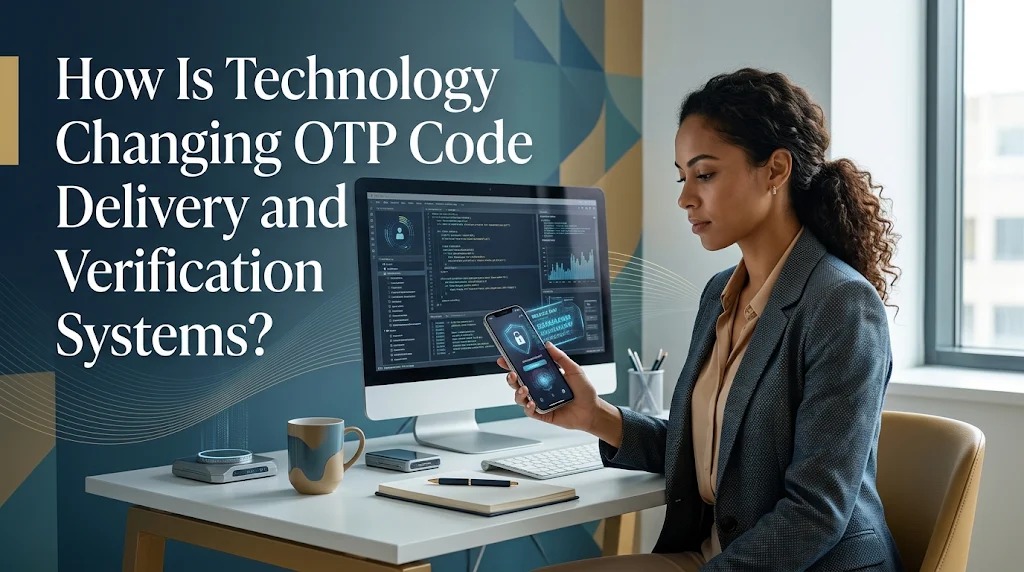
Digital technology continues to transform how people access online services, manage financial transactions, and protect personal information. As digital activities increase, the need for reliable identity verification systems becomes more important. One widely used security method is the OTP (One-Time Password), a temporary code that helps confirm whether someone attempting to access an account is an authorized user.
Traditionally, OTP codes were delivered through SMS messages or email. However, technological developments have introduced more advanced authentication methods, including authenticator applications, biometric verification, push notifications, and hardware security keys. These innovations aim to improve verification speed, strengthen account protection, and reduce the risks associated with traditional authentication methods.
Technology is also changing how digital platforms detect suspicious login attempts and protect users from cyberattacks. Understanding these developments can help individuals recognize modern authentication systems and choose safer methods for protecting their digital accounts.
THE DEVELOPMENT OF TRADITIONAL OTP DELIVERY SYSTEMS
In the early development of digital authentication, many online platforms relied on passwords as their primary security method. However, passwords alone became insufficient as cybercriminals developed techniques to steal login credentials through phishing, malware, and data breaches. This situation encouraged service providers to introduce additional verification methods, including OTP technology.
One of the earliest widely adopted OTP delivery methods was SMS-based verification. When users attempted to access an account or complete a transaction, the system generated a temporary code and sent it to their registered mobile number. This method became popular because it worked with ordinary mobile phones and did not require users to install additional applications.
Email-based OTP delivery also became common, especially for account registration, password recovery, and identity confirmation. Although these traditional methods improved security, they introduced certain limitations. SMS messages can be delayed or intercepted through specific attacks, while email accounts can become targets of phishing and unauthorized access. These weaknesses encouraged the development of more advanced authentication technologies.
AUTHENTICATOR APPLICATIONS AND TIME-BASED VERIFICATION
One important technological improvement is the development of authenticator applications. Unlike traditional SMS verification, these applications generate temporary codes directly on a smartphone. Users can obtain verification codes without waiting for incoming text messages, making the authentication process more convenient.
Many authenticator applications use Time-Based One-Time Password (TOTP) technology. This system generates codes based on a shared secret key and the current time. The code changes at regular intervals, commonly every 30 seconds, depending on the application's configuration. Because the codes are generated locally, an active internet connection is generally unnecessary after the initial setup.
Authenticator applications can provide stronger protection against certain SMS-based attacks, such as SIM swapping. However, they are not completely immune to phishing or device compromise. Users must protect their smartphones, keep recovery information secure, and avoid entering authentication codes into suspicious websites.
BIOMETRIC TECHNOLOGY AND PASSWORDLESS AUTHENTICATION
Modern authentication systems increasingly combine OTP verification with biometric technology. Biometrics use unique physical or behavioral characteristics, such as fingerprints, facial recognition, or voice patterns, to help verify a person's identity. Many smartphones already support these features for unlocking devices and approving sensitive activities.
Biometric authentication can make account access faster because users do not always need to remember passwords or manually enter verification codes. For example, a banking application may allow customers to confirm access using fingerprint recognition or facial authentication. This approach can improve convenience while adding another security layer.
Another important development is passwordless authentication through technologies such as passkeys. Passkeys use cryptographic key pairs to authenticate users without requiring traditional passwords or manually entered OTP codes. The private key remains protected on the user's device, while the corresponding public key is used by the service to verify authentication requests.
Passkeys can reduce exposure to phishing because authentication is linked to the legitimate website or application. However, users still need to protect their devices and recovery methods to maintain account access.
ARTIFICIAL INTELLIGENCE IN MODERN IDENTITY VERIFICATION
Artificial Intelligence (AI) is increasingly used to improve digital identity verification and detect suspicious authentication activities. Modern security systems can analyze patterns such as login locations, device information, access frequency, and unusual account behavior. This helps platforms identify activities that may indicate unauthorized access.
For example, if an account is normally accessed from one location but suddenly receives a login attempt from an unfamiliar device in another country, the system may identify the activity as unusual. Depending on the platform's security policies, it may request an additional OTP, biometric confirmation, or another verification step.
AI can also help identify suspicious messages and fraudulent login attempts by recognizing patterns commonly associated with phishing and automated attacks. However, AI-based security systems are not perfect. They may sometimes produce false alerts or fail to recognize sophisticated attacks, so human oversight and additional security measures remain important.
PUSH NOTIFICATIONS AND REAL-TIME AUTHENTICATION
Another important development is the use of push notification authentication. Instead of receiving a numerical OTP through SMS, users receive an approval request directly through an official application installed on their smartphones. They can review the request and approve or reject it based on whether they initiated the activity.
This method can make authentication faster and easier, particularly for online banking and business applications. Some systems provide additional transaction information, such as the amount being transferred or the service requesting access. This allows users to examine the activity before approving it.
However, push notifications can also be abused through repeated approval requests. Criminals may send numerous authentication notifications in the hope that a user accidentally approves one. This technique is sometimes called MFA fatigue or push bombing. Therefore, users should reject unexpected requests and report suspicious authentication activity immediately.
THE ROLE OF CLOUD TECHNOLOGY AND INTEGRATED SECURITY SYSTEMS
Cloud technology has also influenced how OTP delivery and identity verification systems operate. Many digital platforms use cloud-based authentication infrastructure to manage verification requests, generate codes, and monitor access activities across different devices and services.
Cloud-based systems can help organizations manage authentication processes more efficiently and support users accessing services from different locations. They may also integrate with risk detection systems that evaluate login attempts and determine whether additional verification is necessary.
Furthermore, modern security platforms can combine OTP codes, biometric checks, device recognition, and behavioral analysis into a unified authentication process. This approach allows security systems to adjust verification requirements according to the level of risk associated with a particular activity. However, organizations must also protect cloud infrastructure through encryption, access controls, and regular security monitoring.
FUTURE TRENDS IN OTP DELIVERY AND DIGITAL AUTHENTICATION
The future of digital authentication is likely to involve more advanced technologies that reduce dependence on traditional OTP delivery methods. Passkeys, biometric verification, hardware security keys, and adaptive authentication are becoming important alternatives for improving account protection. These methods aim to make digital verification more convenient while reducing opportunities for cybercriminals to steal authentication information.
Nevertheless, OTP codes will likely remain relevant for many services, especially those that still depend on SMS-based verification or need additional authentication during sensitive activities. Organizations may continue improving OTP systems through stronger encryption, better delivery infrastructure, and more effective fraud detection mechanisms.
Users should also become more familiar with modern security technologies and understand the limitations of each authentication method. No single solution can eliminate every digital threat. Combining secure authentication systems with responsible user behavior remains essential for protecting personal information and maintaining safe access to online services.
CONCLUSION
Technology is changing OTP code delivery and verification systems through authenticator applications, biometric recognition, artificial intelligence, push notifications, and cloud-based security infrastructure. These developments make identity verification more flexible, efficient, and capable of responding to different digital security threats.
Although traditional SMS and email OTP methods remain widely used, newer technologies such as passkeys and passwordless authentication offer additional protection against certain forms of cybercrime. Users should understand the available verification options, protect their devices, and avoid approving unexpected authentication requests. By adopting appropriate security methods, individuals and organizations can build safer digital environments as technology continues to evolve.
Recent Posts

Bagaimana Sistem SKS pada Program Kuliah... 22.11.2026/34 View

How Does Technology Make Daily Evaluation... 21.11.2026/68 View

Apa Strategi Menghadapi Kesenjangan antara Kompetensi... 21.11.2026/68 View

Mengapa Inventaris Aset Penting bagi Kelancaran... 21.11.2026/66 View

When Should Musicians Join a Record... 21.11.2026/67 View
