

How Is Technology Changing Production Staff Responsibilities?
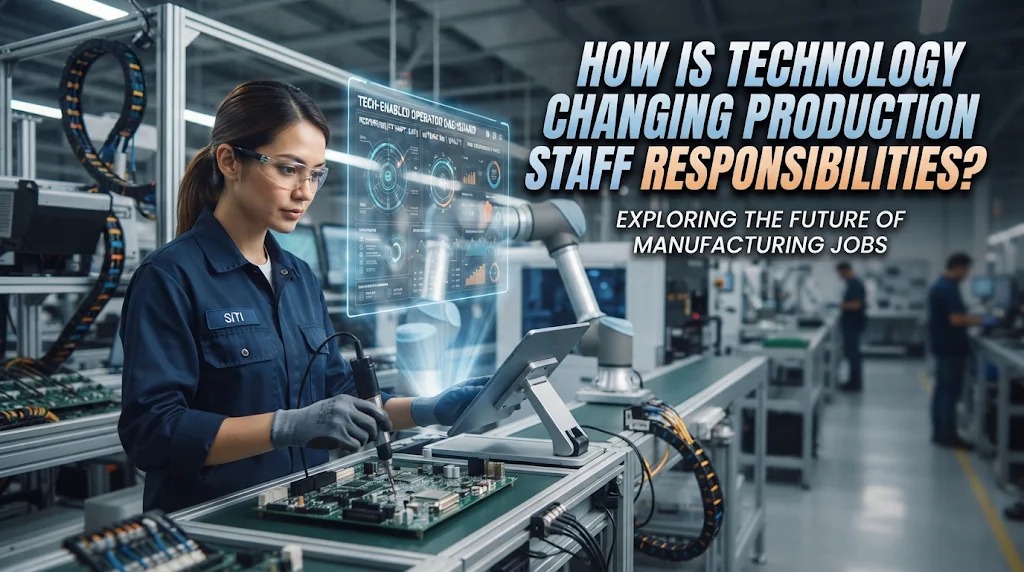
Technology is transforming the manufacturing industry by changing how companies manage production activities, monitor performance, and maintain product quality. Modern factories increasingly use digital systems, automated machines, and advanced equipment to improve operational efficiency. These developments also influence the responsibilities of production staff, who must adapt to new working methods and technical requirements. Understanding how technology affects their daily tasks can help employees prepare for changes in the modern manufacturing environment.
AUTOMATING ROUTINE PRODUCTION ACTIVITIES
Automation has changed how many manufacturing activities are performed. Machines and automated systems can handle repetitive tasks such as assembling components, packaging products, and moving materials. This allows companies to complete certain processes more quickly while reducing the need for continuous manual work. Production staff must now understand how automated equipment operates and how it affects daily production activities.
Although automation reduces some manual responsibilities, human supervision remains important. Production staff need to monitor machine performance, check production results, and report technical problems when they occur. They may also coordinate with operators and maintenance teams to ensure that automated equipment works properly. As a result, their responsibilities increasingly involve monitoring and supporting technology-based production systems.
USING DIGITAL PRODUCTION MANAGEMENT SYSTEMS
Digital production management systems help companies organize and monitor manufacturing activities more efficiently. These systems can record production output, track schedules, manage inventory information, and store operational reports. Production staff can use digital platforms to access important information without relying entirely on manual documents. This makes it easier to monitor progress and coordinate activities between departments.
Employees must learn how to operate the software used by their companies. They need to enter accurate information, update production records, and understand the data displayed by digital systems. Knowledge of spreadsheet applications and manufacturing management software can become an important professional advantage. These skills help production staff complete administrative tasks more efficiently and support better operational decisions.
IMPROVING PRODUCTION MONITORING THROUGH REAL-TIME DATA
Modern technology allows production activities to be monitored using real-time data. Sensors and connected equipment can provide information about machine performance, production output, temperature, and other operational conditions. Production staff can use this information to identify unusual changes and respond more quickly to potential problems. This improves visibility throughout the manufacturing process.
Real-time monitoring also changes how employees evaluate production performance. Instead of waiting for end-of-shift reports, staff may review updated information throughout the working day. They can compare actual output with planned targets and communicate important findings to supervisors. Understanding production data helps employees identify inefficiencies and support faster decision-making.
STRENGTHENING PRODUCT QUALITY CONTROL
Technology has improved quality control by providing more accurate inspection methods. Digital measuring devices, automated inspection systems, and computer-based monitoring tools can help identify product defects during manufacturing. These technologies reduce dependence on visual inspection alone and make it easier to maintain consistent quality standards. Production staff must understand how inspection results relate to production requirements.
Their responsibilities may include reviewing quality reports, monitoring inspection results, and coordinating corrective actions with quality control teams. When a defect is detected, staff need to communicate the findings and help identify possible causes. They must also ensure that employees continue following established quality procedures. Technology supports the inspection process, but human judgment remains necessary when evaluating problems and deciding appropriate actions.
DEVELOPING TECHNICAL AND DIGITAL SKILLS
As manufacturing technology becomes more advanced, production staff need to develop new technical and digital abilities. Basic computer knowledge may no longer be sufficient for workplaces that use specialized software, automated equipment, and digital monitoring systems. Employees should understand how to access information, operate relevant applications, and interpret production data. These abilities help them adapt to changing workplace requirements.
Continuous training is important because technology and company procedures can change over time. Production staff may participate in training sessions, equipment demonstrations, or digital skills development programs. They should also be willing to learn from experienced coworkers and technical specialists. Developing these skills can improve confidence, work accuracy, and future career opportunities.
CHANGING COMMUNICATION AND TEAM COORDINATION
Digital communication tools have made it easier for production staff to exchange information with supervisors and other departments. Employees can use company platforms, digital reports, and production dashboards to share updates about schedules, materials, and operational problems. This reduces dependence on traditional paperwork and helps teams access information more quickly. It also supports better coordination between different manufacturing activities.
However, digital communication requires employees to provide accurate and clear information. Production staff must ensure that important updates reach the correct people and that digital records remain current. They should also maintain direct communication when problems require immediate attention or detailed explanations. Combining digital tools with effective teamwork helps create a more responsive production environment.
SUPPORTING PREDICTIVE MAINTENANCE
Predictive maintenance uses technology and equipment data to identify possible machine problems before serious breakdowns occur. Sensors and monitoring systems can detect unusual vibration, temperature changes, and other signs of equipment deterioration. This information helps maintenance teams plan inspections and repairs before machines fail unexpectedly. Production staff may support this process by monitoring equipment reports and communicating unusual conditions.
This technology changes equipment management from a mainly reactive approach to a more preventive one. Production staff need to understand basic maintenance indicators and follow reporting procedures when problems appear. They must coordinate with maintenance personnel to reduce unnecessary downtime and protect production schedules. Better equipment monitoring can improve operational reliability and extend machine service life.
INCREASING THE IMPORTANCE OF DATA SECURITY
The use of digital systems creates new responsibilities related to information security. Manufacturing companies may store sensitive information about production schedules, product specifications, suppliers, and business operations. Production staff who access these systems must handle information carefully and follow company security policies. Unauthorized access or incorrect data sharing can create operational and business risks.
Employees should use approved accounts, protect their login information, and avoid sharing confidential documents with unauthorized individuals. They must also follow procedures when entering, editing, or transferring production data. Understanding basic cybersecurity practices is becoming increasingly important in technology-based manufacturing environments. Responsible digital behavior helps protect company information and maintain reliable operations.
CONCLUSION
Technology is changing production staff responsibilities by introducing automation, digital management systems, real-time monitoring, and advanced quality control methods. Employees are increasingly expected to understand digital tools, interpret production data, coordinate through modern communication platforms, and support predictive maintenance. These developments do not eliminate the importance of human workers but change the skills required to perform their jobs effectively. By developing technical knowledge and adapting to new systems, production staff can remain productive and competitive in the modern manufacturing industry.
Recent Posts

How Does Technology Make Daily Evaluation... 21.11.2026/56 View

Apa Strategi Menghadapi Kesenjangan antara Kompetensi... 21.11.2026/58 View

Mengapa Inventaris Aset Penting bagi Kelancaran... 21.11.2026/52 View

When Should Musicians Join a Record... 21.11.2026/53 View

Daily Evaluation or Daily Planning Which... 21.11.2026/60 View
