

How Is Transparency Ensured During the State Budget Preparation Process?
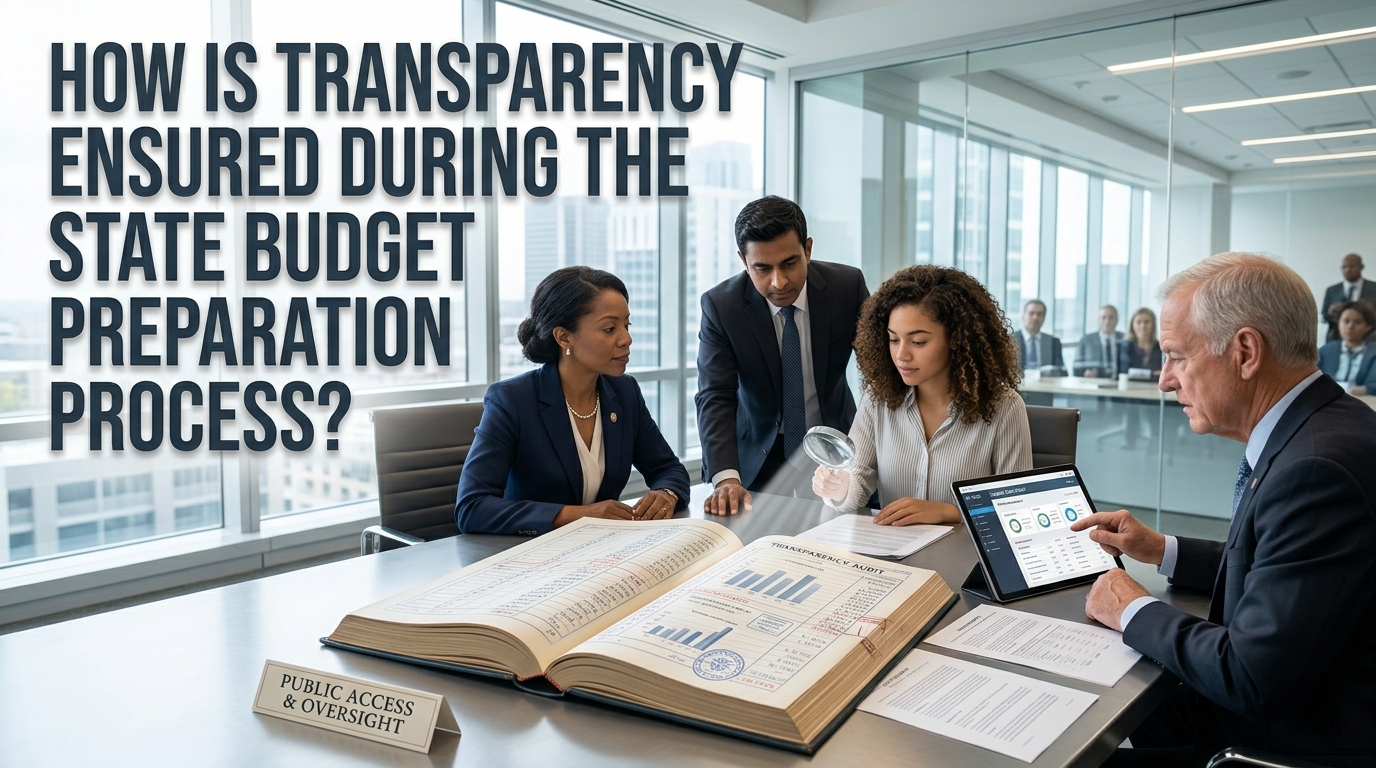
Transparency is an essential principle in state budget preparation because it allows the public to understand how government revenue is collected and how public money is planned to be spent. An open budgeting process helps prevent misuse of funds, improves accountability, and strengthens public trust in government institutions. In Indonesia, the State Budget or Anggaran Pendapatan dan Belanja Negara (APBN) finances important programs such as education, healthcare, infrastructure, and social protection. Transparency is supported through legal regulations, legislative discussions, public financial information, and oversight mechanisms. By applying these measures, the government can promote responsible, fair, and accountable budget management.
PROVIDING CLEAR AND ACCESSIBLE BUDGET INFORMATION
One important way to ensure transparency is to make budget information available and understandable to the public. Government institutions publish information about revenue estimates, expenditure plans, fiscal policies, and development priorities through official documents and communication channels. These materials help citizens understand how public resources are expected to be used. Information should be presented clearly so that people with different levels of financial knowledge can understand the main decisions. Accessible budget information allows the public to examine government priorities and ask informed questions about spending plans.
ESTABLISHING LEGAL RULES AND PROCEDURES
Transparency in state budget preparation depends on clear laws and procedures governing public financial management. In Indonesia, the preparation and management of the APBN are guided by legal frameworks, including laws on state finances and the national budgeting process. These rules establish responsibilities for government institutions and set requirements for planning, approval, implementation, and reporting. Following established procedures helps ensure that budget decisions are made through recognized processes rather than arbitrary actions. A strong legal framework provides the foundation for transparent and accountable use of public funds.
INVOLVING PARLIAMENT IN BUDGET DISCUSSIONS
The House of Representatives (DPR) plays an important role in reviewing and approving Indonesia's proposed state budget. During budget discussions, legislators examine revenue estimates, expenditure priorities, and government programs. This process creates an opportunity to question assumptions, request explanations, and assess whether proposed spending reflects national needs. Legislative discussions also provide a formal mechanism for representing public interests in decisions about state finances. Legislative review and approval help ensure that the APBN receives scrutiny before it becomes the basis for government spending.
ENCOURAGING PUBLIC PARTICIPATION
Public participation can improve transparency by allowing citizens, experts, community organizations, and other stakeholders to communicate their needs and concerns. Their input may help the government identify problems that are not fully reflected in official data or initial spending proposals. Public consultation can take place through planning forums, discussions, surveys, and other official channels, depending on the relevant process. Although not every public request can be funded, decision-makers should consider feedback alongside available revenue and national priorities. Meaningful public participation can make budget planning more responsive and strengthen the relationship between citizens and government institutions.
USING DIGITAL SYSTEMS AND OPEN DATA
Digital technology can make budget information easier to publish, access, and review. Government websites and electronic financial management systems can help organize budget documents, administrative records, and spending information. When information is presented in searchable and understandable formats, citizens and researchers can compare plans with actual results more easily. Digital systems can also improve coordination between government institutions and reduce some administrative errors. However, technology alone does not guarantee transparency; accurate data, timely publication, and effective access controls remain essential.
STRENGTHENING AUDITS AND FINANCIAL OVERSIGHT
Audits and financial oversight help determine whether public money is managed according to applicable laws and financial standards. In Indonesia, the Audit Board of Indonesia (BPK) examines state financial management and accountability, including the government's financial statements. Internal government supervision and legislative oversight also contribute to monitoring public finances. These mechanisms can identify weaknesses, irregularities, and areas that require improvement. Independent examination and follow-up action are important because transparency is most effective when findings lead to meaningful corrections.
PREVENTING CORRUPTION AND CONFLICTS OF INTEREST
Transparent budget preparation can reduce opportunities for corruption by making decisions, procedures, and responsibilities easier to examine. Clear procurement rules, documented spending proposals, and appropriate checks on decision-makers can help limit misuse of public resources. Government officials must follow applicable ethical standards and disclose relevant conflicts of interest when required. Reporting channels can also help people raise concerns about suspected irregularities. Strong anti-corruption measures and consistent enforcement help protect public funds and ensure that budget decisions focus on public benefit.
EVALUATING BUDGET PERFORMANCE AND RESULTS
Transparency should continue after the budget has been prepared and approved. The government needs to report how much money has been spent and whether funded programs have achieved their intended objectives. Performance indicators can help measure outcomes such as improved public services, completed infrastructure, or expanded access to education and healthcare. Comparing planned targets with actual results allows officials and the public to identify gaps and evaluate the effectiveness of spending. Regular performance reporting supports better future decisions and strengthens accountability for the use of public money.
CONCLUSION
Transparency during the state budget preparation process is ensured through accessible information, clear regulations, legislative scrutiny, public participation, digital systems, audits, and performance evaluation. These measures help the public understand government priorities and allow relevant institutions to examine budget decisions. In Indonesia, transparent preparation of the APBN is important for maintaining public trust and ensuring that state revenue supports national development. However, publishing information is not enough without accurate reporting, effective oversight, and action when problems are identified. By strengthening these practices, the government can improve accountability, financial integrity, and the responsible management of public resources.
Recent Posts

Bagaimana Sistem SKS pada Program Kuliah... 22.11.2026/47 View

How Does Technology Make Daily Evaluation... 21.11.2026/74 View

Apa Strategi Menghadapi Kesenjangan antara Kompetensi... 21.11.2026/76 View

Mengapa Inventaris Aset Penting bagi Kelancaran... 21.11.2026/72 View

When Should Musicians Join a Record... 21.11.2026/76 View
