

How Should Schools Utilize Educational Reports From The National Assessment?
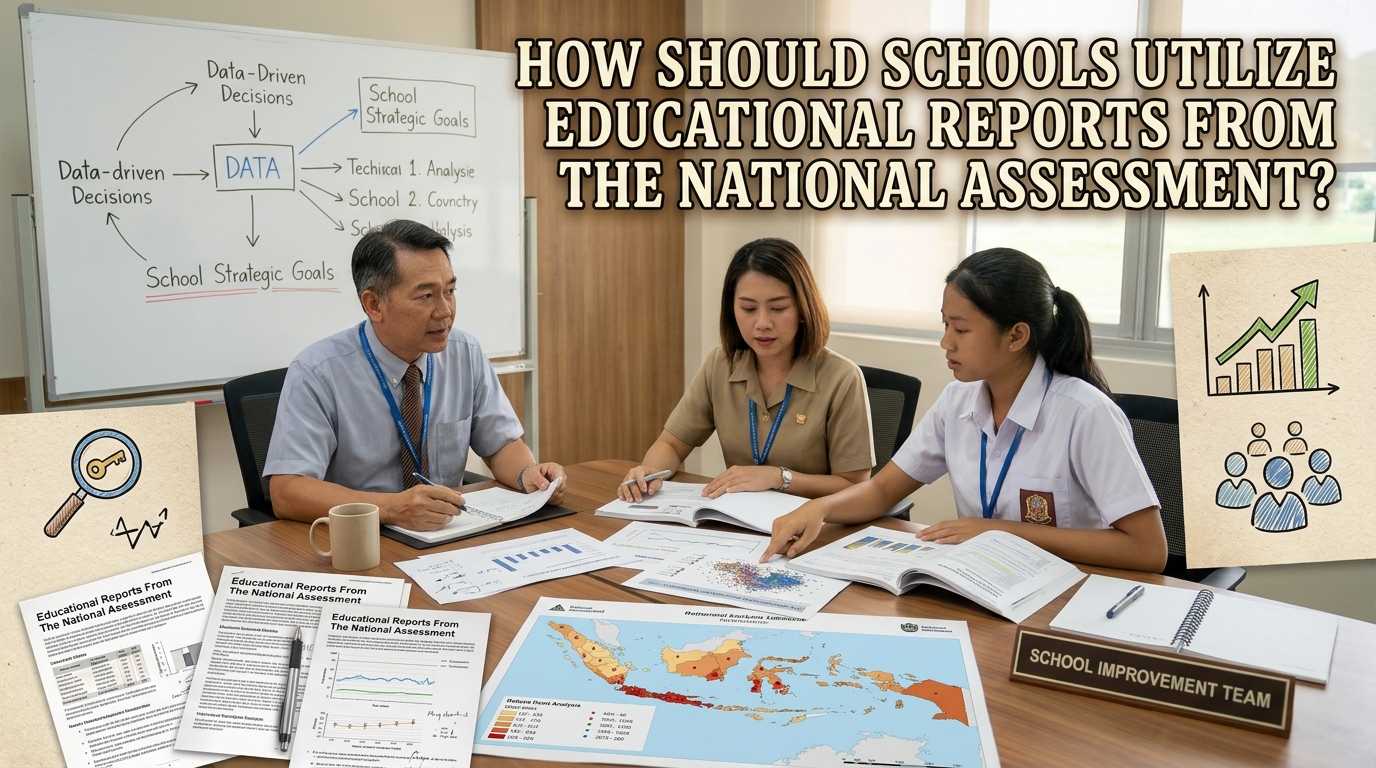
Educational reports derived from nationwide evaluations provide schools with an invaluable wealth of objective data regarding student achievement. Administrators must begin by analyzing comprehensive performance data methodically to identify specific academic strengths and structural vulnerabilities across grade levels. Instead of letting dense statistical reports sit unread in administrative offices, leadership teams should dissect the metrics to uncover hidden learning trends. This thorough initial analysis forms the foundational baseline required for any subsequent school improvement planning.
Furthermore, examining these detailed metrics allows educational institutions to move past anecdotal assumptions and confront actual classroom realities directly. When teachers and administrators review disaggregated scores together, they gain a shared understanding of where student comprehension falls short. Therefore, systematic data analysis transforms raw numbers into meaningful diagnostic insights that guide future institutional strategies.
REDESIGNING CURRICULUM AND TEACHING STRATEGIES
Once performance trends are clearly identified, schools must actively utilize these findings for redesigning curriculum and teaching strategies to address recognized gaps. If the evaluation reports reveal widespread weaknesses in foundational literacy or analytical reasoning, teachers must adjust their daily lesson plans accordingly. Educational leaders can integrate targeted problem-solving exercises and modern competencies into the existing academic framework. This proactive adjustment ensures that classroom instruction directly addresses the specific educational shortcomings highlighted by external testing.
Moreover, aligning daily pedagogy with empirical diagnostic results prevents educators from relying on outdated instructional habits that no longer serve student needs. Teachers can incorporate diverse learning materials and interactive exercises designed to boost critical thinking and deep comprehension. Consequently, strategic curriculum redesign elevates the overall standard of education delivered within the institution.
TARGETING PROFESSIONAL DEVELOPMENT FOR EDUCATORS
Assessment reports often expose specific areas where instructional staff require additional training and pedagogical support. School administrators should leverage these insights for targeting professional development programs directly toward identified staff weaknesses. For instance, if data shows students struggling with complex data interpretation, workshops can be organized to train teachers in modern data literacy. Providing focused professional growth opportunities ensures that educators remain fully equipped to handle evolving academic standards.
In addition to technical skill-building, targeted training helps foster a collaborative culture where teachers share successful classroom interventions. When educators understand how to interpret diagnostic reports independently, they become more confident and effective instructional leaders. Ultimately, investing in targeted staff development bridges the gap between evaluation outcomes and classroom execution.
FOSTERING COLLABORATIVE INSTITUTIONAL EVALUATION
Utilizing educational reports effectively requires a shift away from isolated administrative decision-making toward fostering collaborative institutional evaluation among all stakeholders. Schools should schedule regular review meetings where teachers, department heads, and school board members discuss assessment findings transparently. This collaborative environment encourages open dialogue about institutional challenges without fear of punitive judgment or blame. When everyone shares a collective responsibility for academic outcomes, long-term improvement strategies become far more successful.
Furthermore, involving parents and community representatives in these evaluation discussions builds stronger trust and broader support for school initiatives. Transparency regarding assessment results ensures that the entire school community remains aligned in pursuing higher educational standards. Therefore, collaborative evaluation turns external accountability measures into shared internal missions for sustainable excellence.
CONCLUSION
In conclusion, educational reports from national assessments serve as powerful catalysts for meaningful school improvement when utilized systematically. By analyzing performance data, redesigning curricula, targeting staff training, and fostering collaboration, schools can turn numbers into actionable progress. Educational leaders must embrace these insights as constructive guides rather than intimidating administrative hurdles. Ultimately, a thoughtful and structured approach to data utilization ensures that every student benefits from higher teaching standards and enhanced institutional quality.
Recent Posts

Bagaimana Sistem SKS pada Program Kuliah... 22.11.2026/53 View

How Does Technology Make Daily Evaluation... 21.11.2026/82 View

Apa Strategi Menghadapi Kesenjangan antara Kompetensi... 21.11.2026/81 View

Mengapa Inventaris Aset Penting bagi Kelancaran... 21.11.2026/77 View

When Should Musicians Join a Record... 21.11.2026/82 View
