

How to Write a Professional Job Application Email?
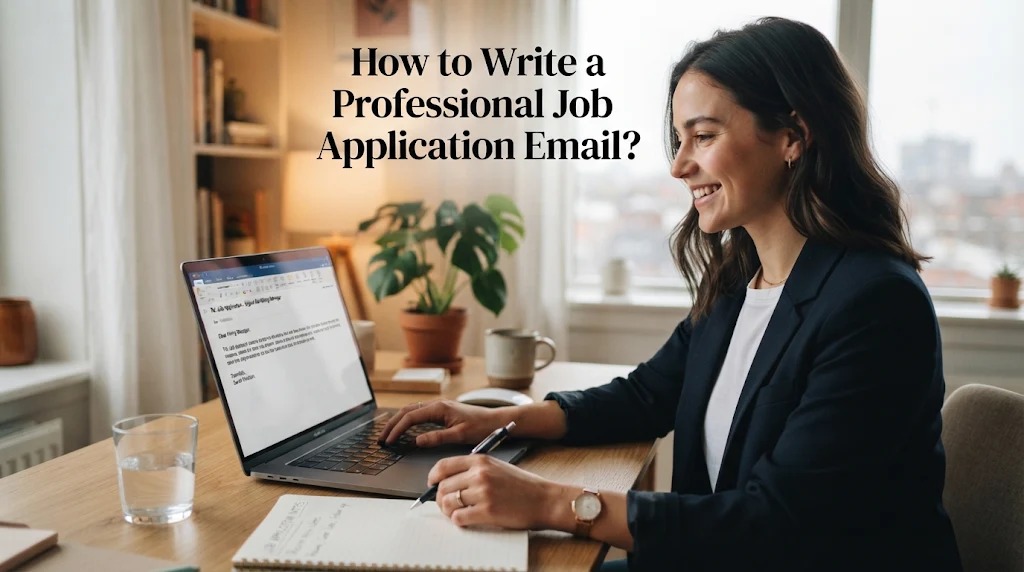
A professional job application email is an important part of the recruitment process because it creates the first impression before recruiters review an applicant's qualifications. Many companies now accept job applications through email because it is faster, more practical, and easier to manage. However, sending an application email requires more than simply attaching a CV and other documents. Applicants need to use a clear subject line, polite language, and an organized message to communicate their intentions professionally. By following the correct steps, job seekers can make their applications easier to understand and increase their chances of attracting recruiters' attention.
UNDERSTAND THE PURPOSE OF A JOB APPLICATION EMAIL
A job application email is a formal message sent to a company to express interest in an available position. It introduces the applicant and provides a brief explanation of their qualifications, educational background, and relevant skills. The email also serves as a way to submit supporting documents, such as a CV, cover letter, certificates, and portfolio. Recruiters use this information to evaluate whether an applicant meets the requirements of the advertised position.
Unlike informal emails, a job application email must maintain a professional tone and follow appropriate communication standards. Every sentence should have a clear purpose and provide relevant information. Applicants should avoid unnecessary explanations or overly casual expressions. Understanding the purpose of this email helps job seekers communicate their intentions clearly and create a positive first impression.
WRITE A CLEAR AND PROFESSIONAL EMAIL SUBJECT
The email subject line is one of the first details recruiters notice when receiving an application. A clear subject helps them identify the applicant's purpose and the position being applied for. Without an appropriate subject, an application email may be overlooked or become difficult to organize. Therefore, applicants should follow the subject format provided in the company's recruitment announcement whenever one is available.
If the company does not provide a specific format, applicants can use a simple subject such as Job Application Marketing Staff – John Smith. Including the position name and applicant's name makes the email easier to identify. Applicants should avoid vague subjects such as Job Application or Important Message because they do not provide enough information. A concise and relevant subject line demonstrates attention to detail and professionalism.
USE FORMAL AND POLITE EMAIL LANGUAGE
Professional language is essential when communicating with recruiters through email. Applicants should begin their messages with a polite greeting, such as Dear Hiring Manager or Dear Recruitment Team. If the recruiter's name is available, using the correct name can make the message more personal and respectful. The opening sentence should directly explain that the applicant is interested in applying for a specific position.
The main paragraph should briefly describe the applicant's educational background, relevant experience, and qualifications. Applicants should use simple, grammatically correct sentences that are easy to understand. Avoid slang, unnecessary abbreviations, excessive capital letters, and informal greetings. Before sending the message, review the wording to ensure that the email sounds respectful, confident, and professional.
INCLUDE RELEVANT INFORMATION AND ATTACHMENTS
A professional job application email should contain essential information that helps recruiters understand the applicant's qualifications. Applicants should mention their full name, the position they are applying for, and a brief summary of their relevant abilities. Fresh graduates can highlight academic achievements, internships, organizational activities, and skills related to the position. Experienced applicants can include relevant employment history and professional accomplishments.
Supporting documents should also be attached according to the company's requirements. Common documents include a curriculum vitae, cover letter, educational certificates, identification documents when requested, and a portfolio for certain positions. Use clear and professional file names, such as CV_John_Smith.pdf, so recruiters can identify each attachment easily. Before sending the email, check that every required document is attached and can be opened properly.
CHECK THE EMAIL BEFORE SENDING IT
Reviewing an application email before sending it is an important step that should never be ignored. Applicants should check spelling, grammar, punctuation, and the accuracy of the information provided. Make sure the recipient's email address is correct and that the subject line matches the advertised position. Incorrect details can create confusion and make an otherwise strong application appear careless.
It is also important to check the attached files and ensure they are saved in the required formats. Applicants should avoid sending empty emails with attachments but no introductory message. Reading the entire email again can help identify unclear sentences or missing information. Taking a few minutes to review everything demonstrates responsibility and attention to detail.
CONCLUSION
Writing a professional job application email requires clear communication, appropriate language, and careful preparation. Applicants should create an informative subject line, introduce themselves politely, explain their qualifications, and attach all required documents. Checking the email before sending it can also prevent mistakes that may affect the recruitment process. By following these steps, job seekers can present themselves professionally and make a positive impression on recruiters.
Recent Posts

How Does Technology Make Daily Evaluation... 21.11.2026/56 View

Apa Strategi Menghadapi Kesenjangan antara Kompetensi... 21.11.2026/58 View

Mengapa Inventaris Aset Penting bagi Kelancaran... 21.11.2026/52 View

When Should Musicians Join a Record... 21.11.2026/53 View

Daily Evaluation or Daily Planning Which... 21.11.2026/60 View
