

How to Write a Short Clear and Effective Job Application Letter?
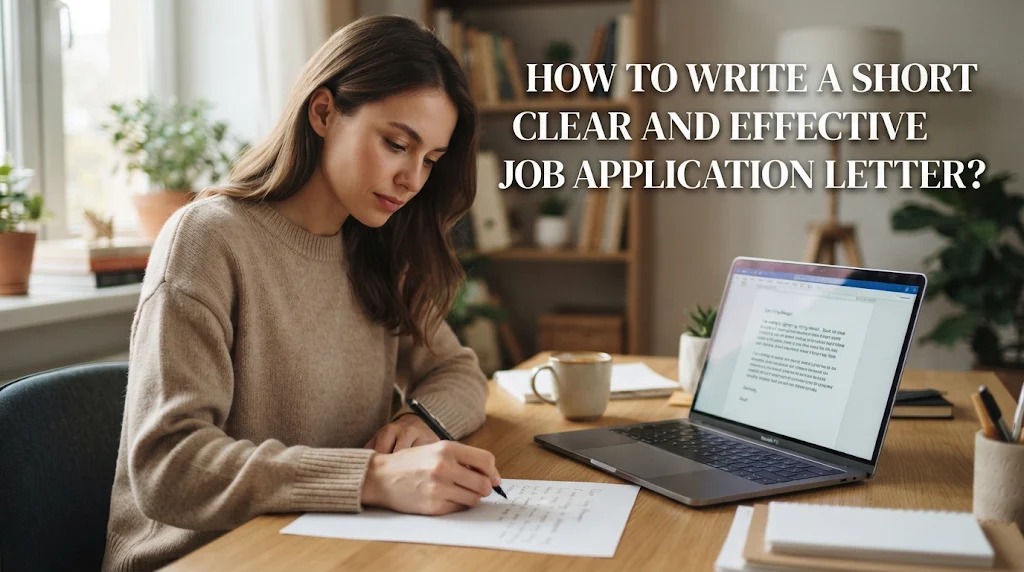
Writing a job application letter is an important step when applying for a position in a company. A good letter does not always have to be long because recruiters often prefer applications that are clear, concise, and easy to understand. The main purpose is to introduce yourself, explain your interest in the position, and show why you are a suitable candidate. Therefore, applicants should focus on presenting relevant information without adding unnecessary details. Understanding how to write a short, clear, and effective job application letter can help candidates create a professional impression and increase their chances of being considered by recruiters.
UNDERSTAND THE JOB POSITION AND REQUIREMENTS
Before writing a job application letter, applicants should carefully read the job advertisement and understand the position being offered. Pay attention to the responsibilities, qualifications, educational background, and skills required by the company. This information helps candidates determine which qualifications are most relevant to mention in their letters. It also prevents applicants from including information that does not support their application.
Understanding the job requirements allows candidates to create a more focused application. For example, someone applying for an administrative position should highlight organizational skills, computer knowledge, and attention to detail. Meanwhile, applicants for customer service positions can emphasize communication skills and the ability to handle customer needs. By connecting personal qualifications with the company's requirements, applicants can make their letters more convincing and relevant.
USE A PROFESSIONAL AND SIMPLE FORMAT
A short and effective job application letter should have a neat and professional format. Begin with the applicant's contact information, the date, and the recipient's details when required. Then, use a polite greeting followed by a brief opening paragraph that clearly states the position being applied for. Organizing the information properly helps recruiters understand the purpose of the letter immediately.
Applicants should use a readable font, appropriate spacing, and consistent paragraph alignment. Avoid excessive decorations, unusual fonts, or complicated layouts that may distract readers. A professional format makes the application easier to read and demonstrates the applicant's attention to detail. If the application is submitted through email, the letter should also follow a suitable email format and include a clear subject line.
WRITE A DIRECT AND INTERESTING OPENING
The opening paragraph should introduce the applicant and explain the purpose of writing the letter. Mention the position being applied for and where the job vacancy was discovered, if relevant. Avoid lengthy introductions or unnecessary personal stories because they can make the letter less focused. A direct opening helps recruiters quickly identify the applicant's intention.
For example, applicants can write, "I am writing to apply for the Administrative Staff position advertised on your company's official website." This sentence is simple, polite, and provides the necessary information. Candidates should also maintain a confident but respectful tone throughout the letter. A clear opening creates a positive first impression and encourages recruiters to continue reading.
HIGHLIGHT RELEVANT SKILLS AND QUALIFICATIONS
The main part of a job application letter should explain why the applicant is suitable for the position. Choose two or three relevant skills, qualifications, or experiences that match the job requirements. Instead of listing every ability, focus on the strengths that can contribute directly to the company's needs. This approach keeps the letter short while providing meaningful information.
Applicants with work experience can mention previous responsibilities or achievements related to the position. Meanwhile, fresh graduates can highlight internships, academic projects, organizational activities, and relevant training. Whenever possible, provide specific examples to make qualifications more convincing. Avoid exaggerating abilities or including false information because honesty is essential in the recruitment process.
USE CLEAR LANGUAGE AND AVOID UNNECESSARY DETAILS
Clear language is one of the most important elements of an effective job application letter. Use simple, formal, and professional sentences that communicate information directly. Avoid repeating the same ideas, using overly complicated expressions, or including unrelated personal information. Each paragraph should have a clear purpose and support the applicant's overall message.
Applicants should also check grammar, spelling, punctuation, and sentence structure before submitting the letter. Long sentences can be divided into shorter ones to improve readability. A letter consisting of three or four focused paragraphs is often sufficient, although the ideal length depends on the company's instructions. Keeping the content concise allows recruiters to understand the applicant's qualifications without spending too much time reading.
END WITH A POLITE CLOSING AND REVIEW THE LETTER
The final paragraph should express appreciation for the recruiter's time and consideration. Applicants can also mention their willingness to attend an interview or provide additional information if needed. Finish with a professional closing such as "Sincerely" or "Best regards," followed by the applicant's full name. A polite ending demonstrates professionalism and leaves a positive impression.
Before sending the application, review the entire letter to ensure that all information is accurate and relevant. Check whether the recipient's name, company name, and job position are correct. Make sure the letter is consistent with the attached resume and other supporting documents. Finally, save the document in the required format, usually PDF when requested, and follow the company's submission instructions carefully.
CONCLUSION
Writing a short, clear, and effective job application letter requires careful preparation and good communication. Applicants should understand the job requirements, use a professional format, introduce themselves directly, and highlight relevant qualifications. Clear language, accurate information, and a polite closing also help create a strong impression. By removing unnecessary details and focusing on important information, candidates can prepare a professional application letter that makes it easier for recruiters to recognize their potential.
Recent Posts

How Does Technology Make Daily Evaluation... 21.11.2026/56 View

Apa Strategi Menghadapi Kesenjangan antara Kompetensi... 21.11.2026/58 View

Mengapa Inventaris Aset Penting bagi Kelancaran... 21.11.2026/52 View

When Should Musicians Join a Record... 21.11.2026/53 View

Daily Evaluation or Daily Planning Which... 21.11.2026/60 View
