

How Will Artificial Intelligence Transform Future Vocational Curriculum Standards?
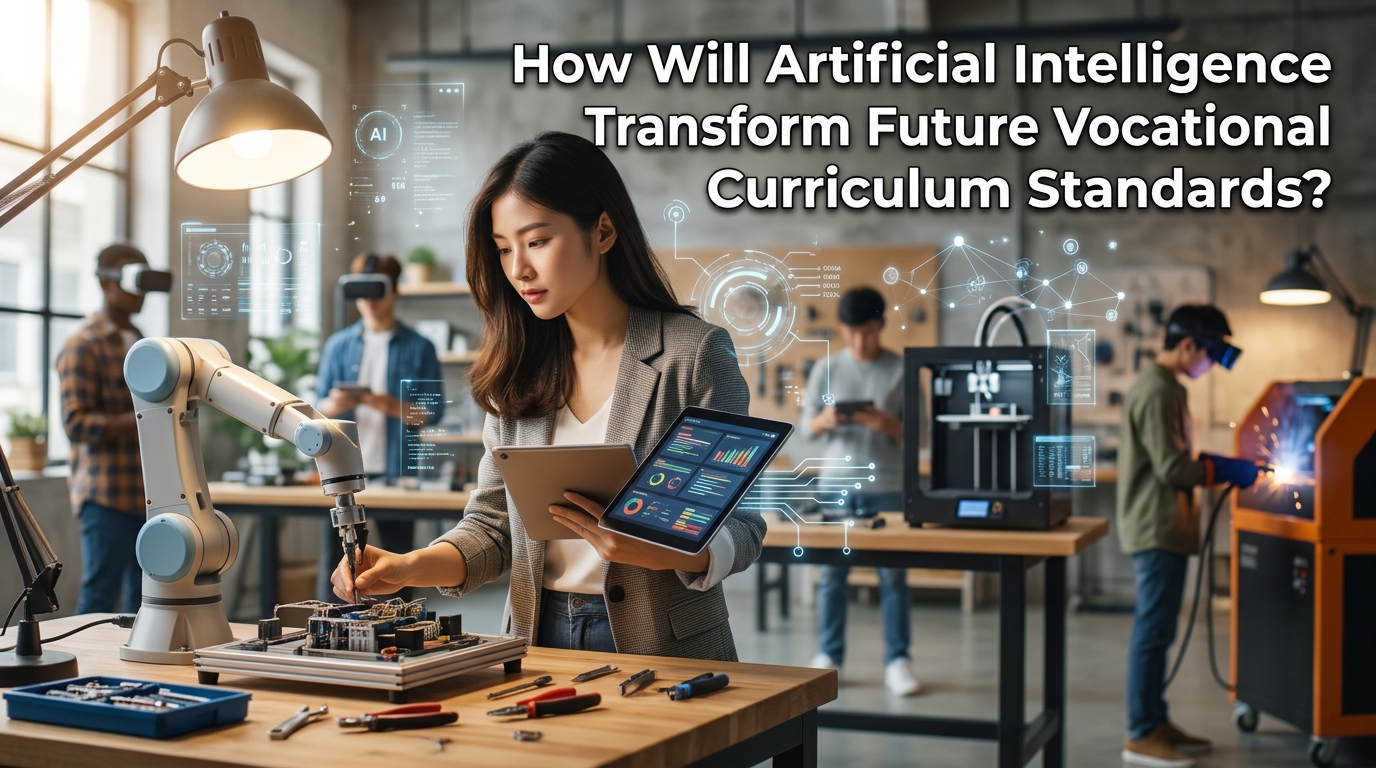
The rapid integration of artificial intelligence into global industries is reshaping the future of work at an unprecedented pace. Educational institutions face mounting pressure to adapt their programs to meet the demands of automated workplaces. Designing a forward-thinking vocational curriculum requires anticipating how machine learning and smart automation will redefine technical roles. By embedding modern technology into daily learning frameworks, schools can prepare students for emerging digital careers. This article explores how artificial intelligence will revolutionize vocational education standards to foster highly capable and adaptable professionals.
AUTOMATING SKILLS GAP ANALYSIS AND CURriculuM UPDATES
Traditional curriculum development often suffers from slow review cycles that fail to keep pace with fast-moving technological shifts. Utilizing artificial intelligence algorithms enables academic institutions to perform real-time market research and instantly spot emerging skill shortages. Smart analytics tools scan global job listings, corporate reports, and industry trends to identify newly required technical competencies.
This automated tracking allows educational directors to update learning modules proactively rather than reactively. Consequently, students receive training on cutting-edge tools that match immediate corporate needs without administrative delays.
PERSONALIZING LEARNING PATHWAYS THROUGH ADAPTIVE PLATFORMS
Every student absorbs technical concepts at a different pace, making rigid classroom structures less effective in modern education. Adaptive learning systems driven by smart algorithms can evaluate individual student progress and customize instructional content dynamically. These intelligent platforms identify specific areas where a learner struggles and automatically provide supplemental exercises or advanced challenges.
By tailoring educational pacing to personal capabilities, vocational schools maximize knowledge retention and overall skill mastery. This customized approach ensures that every student achieves high proficiency before entering competitive job markets.
INTEGRATING SMART AUTOMATION AND PRACTICAL SIMULATIONS
Practical training remains the core pillar of vocational education, but physical workshop equipment can quickly become expensive or outdated. Implementing AI-powered virtual reality and advanced simulation training allows students to practice complex technical procedures safely. Learners can interact with digital twins of modern industrial machinery, testing their troubleshooting skills in risk-free environments.
These immersive digital experiences build strong technical confidence and prepare students for automated factory floors. Integrating advanced software simulations ensures high training quality regardless of physical laboratory budget constraints.
ENHANCING COMPETENCY ASSESSMENT AND PERFORMANCE TRACKING
Traditional testing methods often fail to measure practical technical proficiency accurately in dynamic workshop settings. Advanced automation systems can monitor student performance continuously during hands-on projects, analyzing precision, speed, and safety compliance. This objective evaluation framework provides immediate, detailed feedback that helps learners correct mistakes instantly.
Instructors receive comprehensive analytics dashboards that highlight individual strengths and areas needing improvement across the entire classroom. Such precise data-driven tracking ensures that every issued competency certification reflects verified, high-level technical mastery.
PREPARING STUDENTS FOR AI DRIVEN MODERN CAREERS
Modern job roles across manufacturing, logistics, and IT now require close collaboration with smart machinery and robotic systems. A future-proof vocational curriculum must deliberately cultivate lifelong learning habits and digital literacy alongside technical proficiency. Students need to understand how to operate, maintain, and troubleshoot intelligent automated tools rather than competing against them.
Educating young professionals to work alongside smart systems guarantees their long-term employability in evolving industries. Preparing learners for an automated economy ensures they become valuable drivers of technological innovation and economic growth.
CONCLUSION
Artificial intelligence will profoundly transform future vocational curriculum standards by enabling real-time market research, personalized adaptive learning, immersive simulation training, and precise performance assessment. By embracing advanced technological tools and fostering lifelong learning, vocational education will successfully produce adaptable, highly competent graduates ready to excel in automated modern careers.
Recent Posts

Bagaimana Sistem SKS pada Program Kuliah... 22.11.2026/54 View

How Does Technology Make Daily Evaluation... 21.11.2026/83 View

Apa Strategi Menghadapi Kesenjangan antara Kompetensi... 21.11.2026/82 View

Mengapa Inventaris Aset Penting bagi Kelancaran... 21.11.2026/78 View

When Should Musicians Join a Record... 21.11.2026/84 View
