

How Will Digital Technology and Artificial Intelligence Shape the Future of Education?
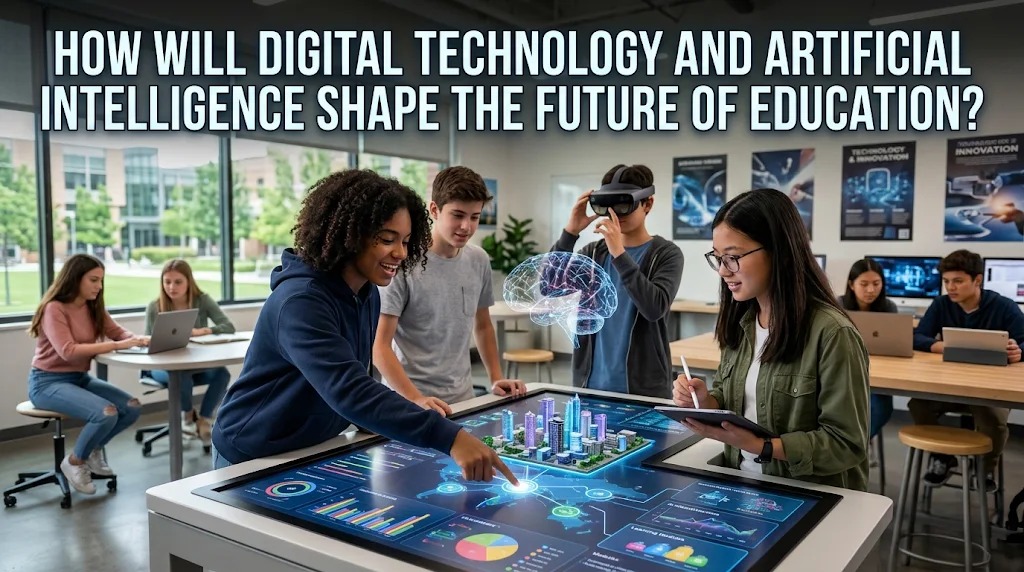
Digital technology and artificial intelligence are changing the way people access and experience education. Computers, smartphones, online learning platforms, and intelligent applications have created new opportunities for students and teachers. Learning is no longer limited to classrooms because educational materials can be accessed from different places and at various times. Artificial intelligence also introduces new ways to understand student needs, provide learning assistance, and support teaching activities. The combination of digital technology and artificial intelligence is expected to make education more flexible, interactive, and personalized. However, these developments also require schools to prepare for new challenges and responsibilities.
TRANSFORMING TRADITIONAL LEARNING METHODS
Digital technology is changing traditional learning methods by introducing more flexible ways to deliver educational materials. Teachers can use videos, digital presentations, interactive applications, and online platforms to explain complex subjects. Students can also explore information through electronic books, educational websites, and virtual learning environments.
These developments allow learning activities to become more varied and engaging. Students are not only expected to listen to explanations but can also participate in simulations, discussions, and digital projects. Technology-supported learning can encourage active participation and help students understand concepts through different approaches.
PROVIDING PERSONALIZED LEARNING EXPERIENCES
One important contribution of artificial intelligence is its ability to support personalized learning. AI-powered educational platforms can analyze student responses, learning progress, and areas of difficulty. Based on this information, the system may recommend suitable exercises, explanations, or additional learning materials.
This approach allows students to receive support based on their individual needs. Students who understand a topic quickly can explore more challenging materials, while those who need additional practice can review basic concepts. However, artificial intelligence should not replace teachers in understanding students' emotions, motivation, and personal circumstances. Personalized education works best when intelligent technology is combined with human guidance.
SUPPORTING TEACHERS IN TEACHING ACTIVITIES
Artificial intelligence and digital applications can help teachers manage several teaching responsibilities. For example, certain tools can assist with preparing lesson materials, generating practice questions, organizing learning resources, and providing initial feedback on assignments. These features can reduce some repetitive tasks and allow teachers to spend more time interacting with students.
Digital platforms also make it easier for teachers to share materials and monitor student progress. Learning management systems can organize assignments, deadlines, and academic records in one place. Nevertheless, teachers remain responsible for evaluating information, selecting appropriate learning methods, and ensuring that educational content is accurate. Technology should support teachers' professional judgment rather than replace it.
EXPANDING ACCESS TO EDUCATIONAL OPPORTUNITIES
Digital technology can help students access educational resources beyond the limitations of their geographical locations. Through online classes, digital libraries, and educational platforms, learners can study materials that may not be available in their local schools. They can also participate in virtual discussions and access learning opportunities from different institutions.
This development is particularly valuable for students living in remote areas or locations with limited educational facilities. However, access to digital education depends on reliable internet connections, suitable devices, and affordable technology. Schools and governments therefore need to improve digital infrastructure and provide support for students from disadvantaged backgrounds. Equal access to technology is essential to ensure that digital education benefits everyone.
DEVELOPING DIGITAL LITERACY AND CRITICAL THINKING
As technology becomes more common in education, students need stronger digital literacy skills. They must understand how to use digital tools, evaluate online information, protect personal data, and communicate responsibly. These abilities are important because the internet contains both reliable educational resources and misleading information.
Artificial intelligence also makes critical thinking increasingly important. Students should not automatically accept every answer generated by AI applications. They need to check facts, compare information, and understand how to use AI responsibly. Teachers can encourage these skills through research assignments, discussions, and projects that require independent analysis. Digital literacy and critical thinking will help students become responsible users of modern technology.
ADDRESSING RISKS AND CHALLENGES OF FUTURE EDUCATION
Despite its advantages, the use of digital technology and artificial intelligence creates several challenges. Excessive screen time may affect students' concentration, physical activity, and learning habits. Dependence on automated tools can also reduce opportunities to practice independent thinking if students use AI to complete every assignment without understanding the material.
Data privacy and cybersecurity are other important concerns. Educational platforms may collect personal information, academic records, and learning activities that must be protected. Schools also need clear policies to prevent plagiarism, misinformation, and inappropriate technology use. Responsible implementation requires teacher training, student guidance, data protection, and regular evaluation of digital learning systems.
CONCLUSION
Digital technology and artificial intelligence will shape the future of education by transforming learning methods, supporting personalized experiences, assisting teachers, and expanding access to educational resources. These innovations can make education more flexible and responsive to individual needs. However, their success depends on digital literacy, equal access, data protection, and responsible use. The future of education should combine technological innovation with human interaction so that students can develop knowledge, creativity, critical thinking, and essential social skills.
Recent Posts

Bagaimana Sistem SKS pada Program Kuliah... 22.11.2026/30 View

How Does Technology Make Daily Evaluation... 21.11.2026/66 View

Apa Strategi Menghadapi Kesenjangan antara Kompetensi... 21.11.2026/65 View

Mengapa Inventaris Aset Penting bagi Kelancaran... 21.11.2026/64 View

When Should Musicians Join a Record... 21.11.2026/64 View
