

How Will Technology Shape the Future of the Global Music Industry?
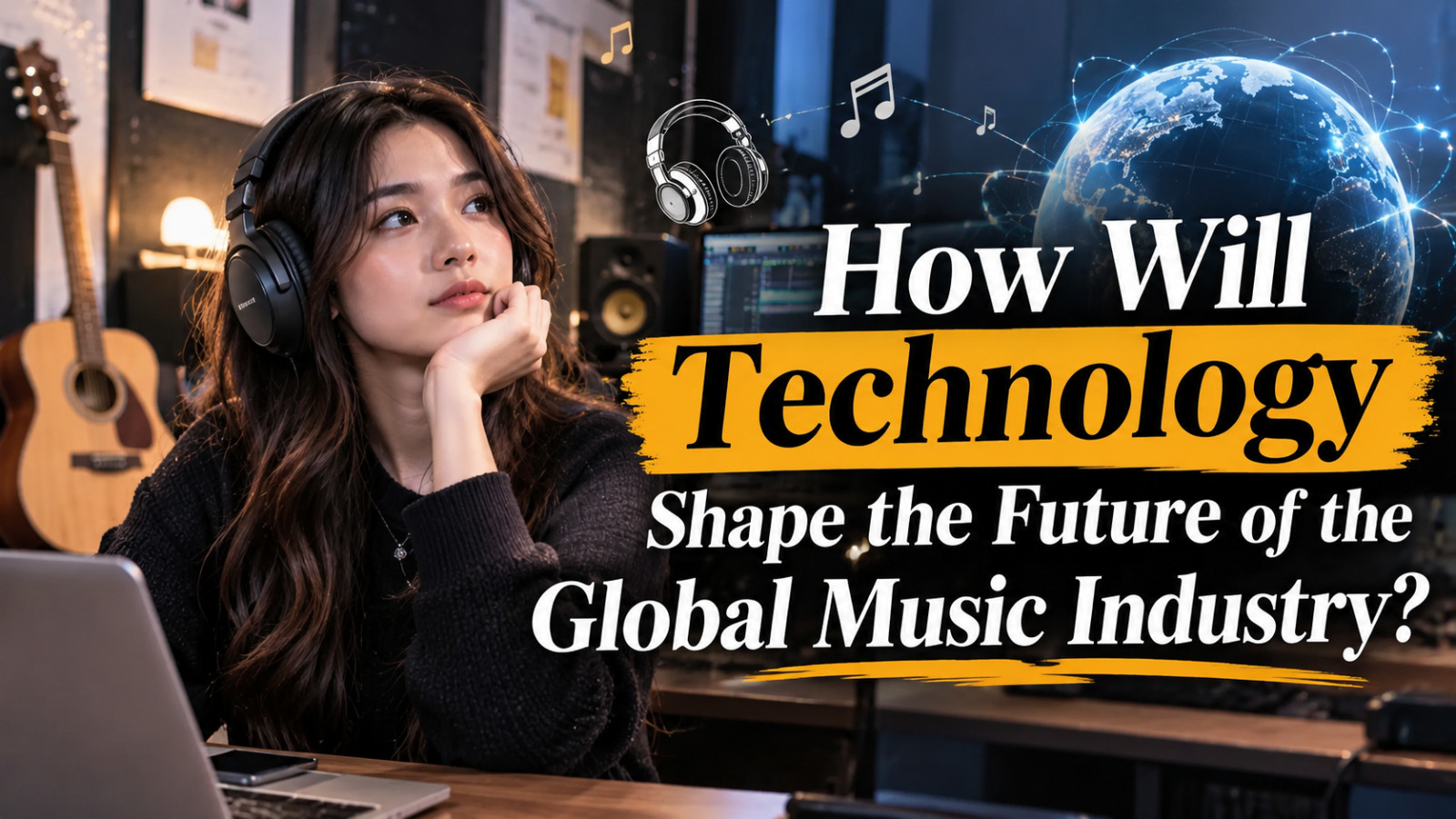
Technology will play an increasingly important role in shaping the future of the global music industry. Digital innovation has already changed how music is created, recorded, distributed, and enjoyed by audiences around the world. Music streaming platforms, artificial intelligence, social media, and advanced production tools continue to create new opportunities for artists and music businesses.
As technology develops, musicians will have more ways to reach international audiences, explore creative ideas, and manage their careers. However, these changes will also bring challenges involving copyright, digital competition, and fair income distribution. Understanding these developments helps explain how the global music industry may evolve in the coming years.
ARTIFICIAL INTELLIGENCE WILL TRANSFORM MUSIC CREATION
Artificial Intelligence (AI) is expected to influence how musicians create and produce music. AI-powered tools can assist with songwriting, melody generation, sound editing, vocal processing, and musical arrangements. These technologies can help artists experiment with different styles and complete certain production tasks more efficiently.
AI may also become a useful creative partner for independent musicians and professional producers. However, human creativity will remain important in determining the artistic direction and emotional meaning of musical works. Questions about copyright, ownership, and permission will also need attention as AI-generated music becomes more common. The future of music creation will likely involve greater cooperation between human creativity and intelligent technology.
DIGITAL STREAMING WILL EXPAND GLOBAL MUSIC ACCESS
Music streaming platforms will continue to influence how audiences discover and consume music. Services such as Spotify, Apple Music, and YouTube Music allow listeners to access large music catalogs through internet-connected devices. These platforms make it easier for musicians to distribute their work without depending entirely on traditional physical releases.
Future developments may improve audio quality, personalization, and music discovery features. Recommendation systems can help listeners discover artists based on their preferences and listening habits. Independent musicians may also benefit from easier access to international distribution services. As a result, digital streaming will remain an important part of the global music business and its connection with audiences.
VIRTUAL REALITY AND IMMERSIVE MUSIC EXPERIENCES
Virtual Reality (VR) and Augmented Reality (AR) may create new ways for audiences to experience music. VR technology can provide virtual concert environments where fans participate in performances through digital experiences. Meanwhile, AR can combine digital visual elements with real-world environments during concerts and promotional activities.
These technologies may offer additional opportunities for artists, concert organizers, and entertainment companies. Virtual performances can help musicians connect with audiences who cannot attend physical events. Immersive experiences may also create new commercial opportunities through digital tickets, exclusive content, and interactive entertainment. However, their success will depend on accessibility, production costs, and audience interest.
SOCIAL MEDIA WILL CHANGE MUSIC MARKETING STRATEGIES
Social media will remain an important tool for music promotion and artist development. Platforms such as TikTok, Instagram, and YouTube allow musicians to share songs, short videos, live performances, and behind-the-scenes content. These channels make it possible for emerging artists to attract attention without relying entirely on traditional advertising.
Technology will also improve how artists and music companies understand audience behavior. Digital analytics can provide information about engagement, content performance, and listener preferences. This data helps musicians develop more effective promotional strategies and identify potential audiences in different countries. Digital marketing and direct audience engagement will become increasingly important for building successful music careers.
BLOCKCHAIN AND THE FUTURE OF MUSIC COPYRIGHT
Blockchain technology may contribute to the development of music copyright management and royalty administration. Its digital recordkeeping capabilities can support transparent documentation of ownership information and certain music-related transactions. This could help music businesses manage licensing agreements and track information about creative contributions.
However, blockchain does not automatically guarantee accurate copyright ownership or fair royalty payments. The information entered into a system must still be verified, and legal agreements remain necessary to establish rights. Future music businesses may combine blockchain with existing copyright administration systems to improve transparency. Reliable ownership records and fair payment systems will remain essential as the global music industry becomes more digital.
CONCLUSION
Technology will shape the future of the global music industry through artificial intelligence, digital streaming, immersive entertainment, social media marketing, and blockchain-based systems. These developments can create new opportunities for musicians, record labels, producers, and audiences around the world. However, copyright protection, fair compensation, and responsible technology use must remain important priorities. The future of the music industry will depend on combining technological innovation with human creativity and sustainable business practices.
Recent Posts

How Does Technology Make Daily Evaluation... 21.11.2026/55 View

Apa Strategi Menghadapi Kesenjangan antara Kompetensi... 21.11.2026/57 View

Mengapa Inventaris Aset Penting bagi Kelancaran... 21.11.2026/51 View

When Should Musicians Join a Record... 21.11.2026/52 View

Daily Evaluation or Daily Planning Which... 21.11.2026/59 View
