

Is Digital Infrastructure Sufficient For Conducting National Assessments Smoothly?
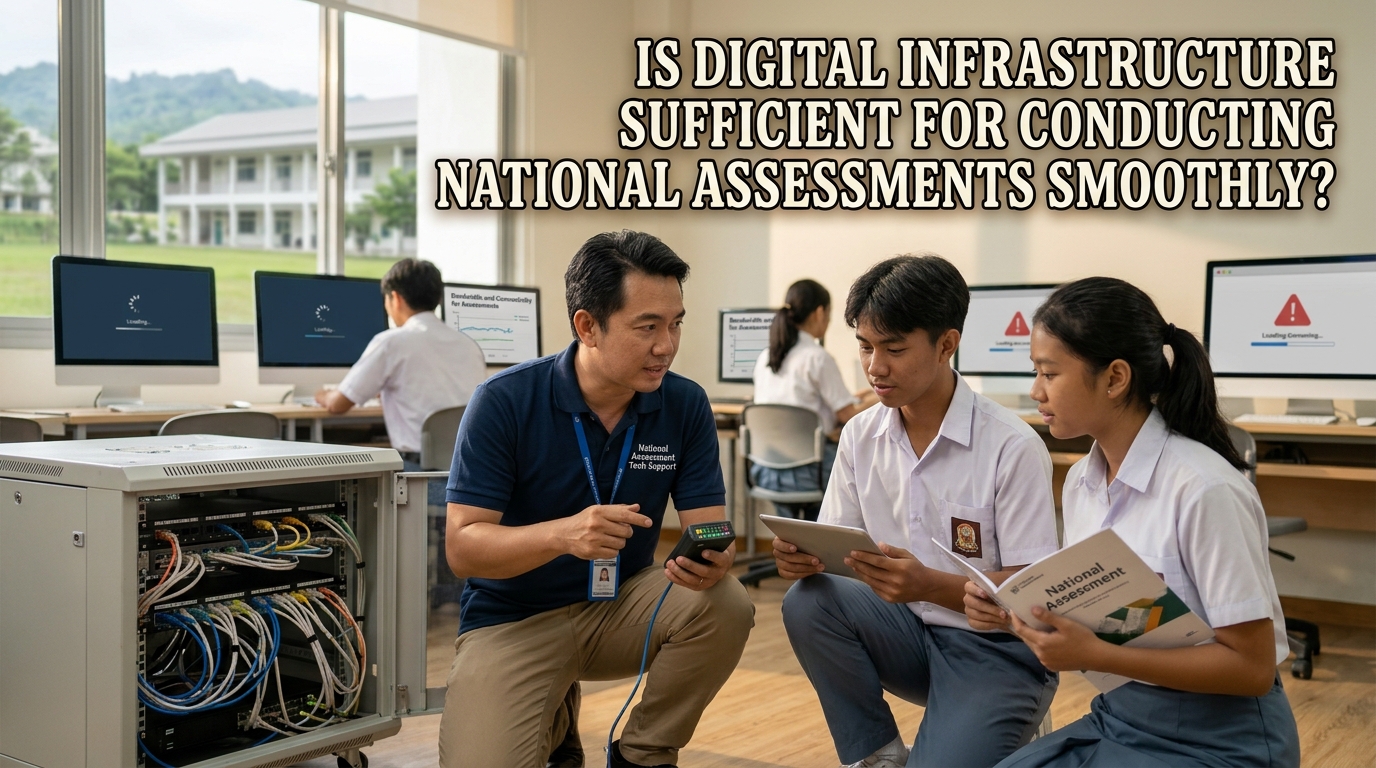
Transitioning from traditional paper-based examinations to computer-based testing requires robust digital infrastructure across every educational institution. Many modern schools have made substantial progress in upgrading their computer laboratories and local area networks. However, the overall readiness of national school systems remains unevenly distributed between major cities and remote areas.
Educational authorities continually evaluate whether existing technological frameworks can support simultaneous login traffic from thousands of students without crashing. Therefore, understanding the current baseline of technological readiness is essential for diagnosing systemic bottlenecks before testing season begins. Comprehensive investments in system architecture continue to shape the success of nationwide evaluations.
REGIONAL DISPARITIES IN INTERNET CONNECTIVITY
One of the greatest threats to smooth national assessments is the persistent digital divide separating urban centers from rural communities. While metropolitan schools enjoy high-speed broadband connections, remote institutions frequently struggle with unstable internet connectivity and frequent bandwidth drops. These severe regional disparities mean that students in disadvantaged areas face unfair technical disadvantages during standardized exams.
When a network connection drops unexpectedly during a live test, student anxiety skyrockets and institutional data integrity becomes heavily compromised. Closing this geographical gap requires targeted telecommunication investments and the expansion of reliable satellite or fiber optic links. Addressing connectivity inequality ensures that every learner experiences a stable and equitable digital testing environment.
HARDWARE LIMITATIONS AND DEVICE AVAILABILITY
Beyond internet access, the physical availability of reliable hardware remains a critical bottleneck for many underfunded school districts. Outdated desktop computers, malfunctioning tablets, and slow processors frequently cause system freezes during high-demand testing windows. Schools often lack the dedicated financial budgets required to replace aging equipment or perform essential routine maintenance.
Furthermore, sharing limited devices among large student cohorts creates complex scheduling conflicts and logistical nightmares for school administrators. When hardware fails in the middle of an evaluation, it disrupts the entire examination timeline and creates severe stress for proctors. Upgrading device inventories is therefore a non-negotiable prerequisite for conducting smooth digital assessments nationwide.
STRATEGIC SOLUTIONS FOR SEAMLESS TESTING
Overcoming these complex technical barriers demands proactive collaboration between government agencies, local municipalities, and educational technology vendors. Implementing offline-first testing platforms can significantly reduce reliance on continuous live internet streams during exam execution. Additionally, establishing local server caching allows schools to store encrypted test packages securely on-site before upload.
Comprehensive technical training programs for school staff and on-site IT support personnel ensure that minor glitches are resolved instantly. Conducting rigorous system-wide simulation tests weeks before the official exam helps identify hidden network vulnerabilities early. Through these strategic interventions, educational leaders can guarantee a stable and error-free assessment process.
CONCLUSION
In conclusion, current digital infrastructure is not yet fully sufficient for conducting national assessments smoothly across all regions without targeted improvements. While urban institutions benefit from advanced technology, rural schools continue to face severe hardware and connectivity hurdles. Bridging these technological gaps requires sustained financial investment, robust offline capabilities, and comprehensive technical support networks.
Educational stakeholders must prioritize infrastructure modernization to ensure that standardized evaluations remain fair, accurate, and stress-free for all participants. Ultimately, a strong technological foundation empowers schools to measure genuine academic progress without technical interference. Embracing these systemic upgrades guarantees a resilient and equitable future for digital education.
Recent Posts

Bagaimana Sistem SKS pada Program Kuliah... 22.11.2026/53 View

How Does Technology Make Daily Evaluation... 21.11.2026/82 View

Apa Strategi Menghadapi Kesenjangan antara Kompetensi... 21.11.2026/81 View

Mengapa Inventaris Aset Penting bagi Kelancaran... 21.11.2026/77 View

When Should Musicians Join a Record... 21.11.2026/82 View
