

Is Project Based Learning Successfully Integrated Into Vocational Curriculum?
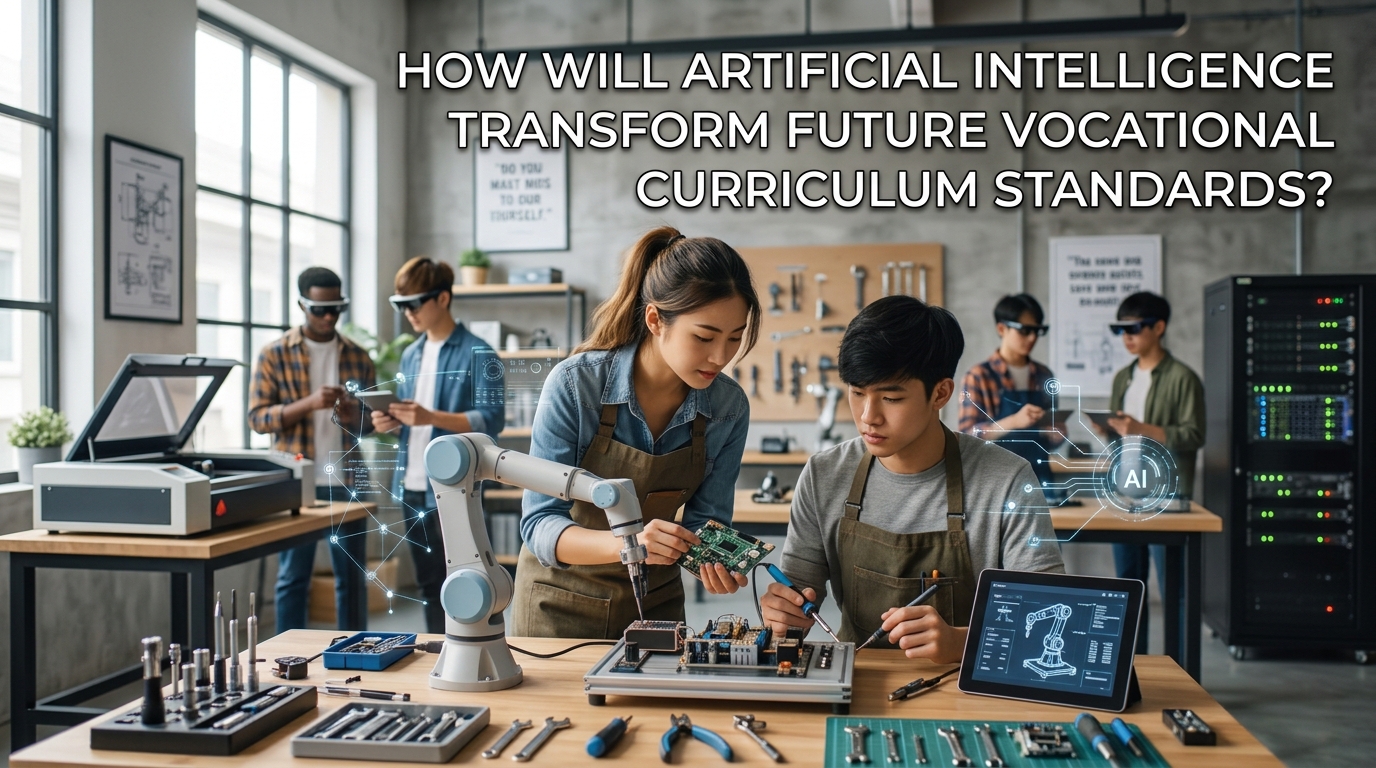
The modern workplace increasingly demands technical graduates who possess both deep practical mastery and immediate problem-solving capabilities. Educational institutions worldwide actively question whether project-based learning is successfully integrated into the vocational curriculum to meet these high corporate standards. By shifting the instructional focus from traditional passive lectures to active hands-on execution, this methodology aims to bridge the persistent gap between academic theory and real-world execution. Integrating real-world scenarios into daily coursework allows students to master actionable practical skills while preparing for dynamic modern careers. This article examines how effectively this approach transforms vocational education and enhances graduate employability across diverse global industries.
ALIGNING PRACTICAL PROJECTS WITH REAL WORLD INDUSTRY NEEDS
A successful integration of project-based learning requires aligning classroom assignments directly with current corporate standards and technical workflows. Vocational institutions collaborate with external corporate partners to design authentic assignments that reflect actual operational challenges faced in modern workplaces. Students work directly with industry-standard tools, specialized software, and physical machinery to execute their assigned tasks from start to finish.
This realistic exposure ensures that academic projects remain highly relevant, engaging, and reflective of immediate market requirements. By solving authentic industry problems during their studies, students develop a clear understanding of workplace expectations before graduation. Consequently, learners build strong technical confidence and master the essential skills required by modern hiring managers.
DEVELOPING ESSENTIAL ANALYTICAL AND TROUBLESHOOTING SKILLS
Hands-on assignments force students to analyze complex operational problems, evaluate potential solutions, and execute technical decisions independently. Working through multifaceted challenges naturally sharpens a student's analytical skills and builds long-term cognitive resilience under pressure. Learners do not simply memorize textbook procedures; they actively test hypotheses, encounter unexpected failures, and refine their approaches in real time.
This iterative process fosters a deep understanding of core engineering, manufacturing, or digital design principles. Facing real project constraints teaches students how to troubleshoot equipment glitches, optimize workflows, and deliver quality results efficiently. These critical cognitive abilities ensure that graduates can tackle unforeseen technical hurdles when entering fast-paced corporate environments.
ENHANCING INTERPERSONAL COMMUNICATION AND TEAM COLLABORATION
Modern technical careers demand professionals who can collaborate seamlessly across multidisciplinary teams and communicate complex technical ideas clearly. Project-based learning environments structure student groups to mirror corporate project teams, requiring clear role delegation, active listening, and constructive conflict resolution. Students learn how to manage project timelines, present progress reports to peers, and maintain accountability across every project phase
These collaborative experiences significantly strengthen a student's interpersonal skills alongside their technical expertise. Learning to navigate diverse personalities and workload distribution builds strong leadership qualities and professional maturity early on. As a result, graduates transition smoothly into corporate cultures without experiencing severe teamwork adjustment challenges.
VALIDATING HANDS ON EXPERTISE THROUGH COMPETENCY CERTIFICATION
To maximize the career impact of project-based learning, institutions align project outcomes with standardized competency certification requirements. Demonstrating practical proficiency through completed physical or digital project deliverables serves as objective evidence of a student's technical capabilities. Independent certification bodies evaluate these project outcomes to issue verified credentials that carry substantial weight in job markets.
Holding industry-backed certifications reassures recruiters that a candidate's practical abilities have been rigorously tested against international quality benchmarks. Rather than relying solely on traditional grade transcripts, job applicants present verified portfolios and official certificates demonstrating their practical mastery. This strategic integration directly elevates graduate job placement rates and accelerates initial career progression.
FOSTERING ADAPTABILITY AND LIFELONG LEARNING MINDSETS
Rapid technological innovation constantly reshapes job requirements, making long-term adaptability a fundamental requirement for modern technical professionals. Engaging in continuous hands-on problem-solving instills a lifelong learning mindset, encouraging students to embrace new tools and methodologies independently. Learners discover how to research emerging technologies, adapt to shifting project scopes, and continuously upgrade their technical skill sets.
This proactive approach to self-education protects workers against rapid skill obsolescence caused by automation and digital transformation. Professionals who cultivate a continuous learning habit remain resilient, highly adaptable, and valuable throughout their professional journeys. Nurturing this adaptable character guarantees that vocational graduates sustain long-term career growth in evolving global markets.
CONCLUSION
Project-based learning is successfully integrated into the vocational curriculum by aligning practical assignments with corporate needs, developing analytical skills, strengthening teamwork, and embedding competency certification. By cultivating a strong commitment to lifelong learning, this practical methodology effectively produces competent, highly adaptable graduates fully prepared for successful modern careers.
Recent Posts

Bagaimana Sistem SKS pada Program Kuliah... 22.11.2026/54 View

How Does Technology Make Daily Evaluation... 21.11.2026/83 View

Apa Strategi Menghadapi Kesenjangan antara Kompetensi... 21.11.2026/82 View

Mengapa Inventaris Aset Penting bagi Kelancaran... 21.11.2026/78 View

When Should Musicians Join a Record... 21.11.2026/84 View
