

Is Vocational Curriculum Creating Globally Competitive Technical Professionals?
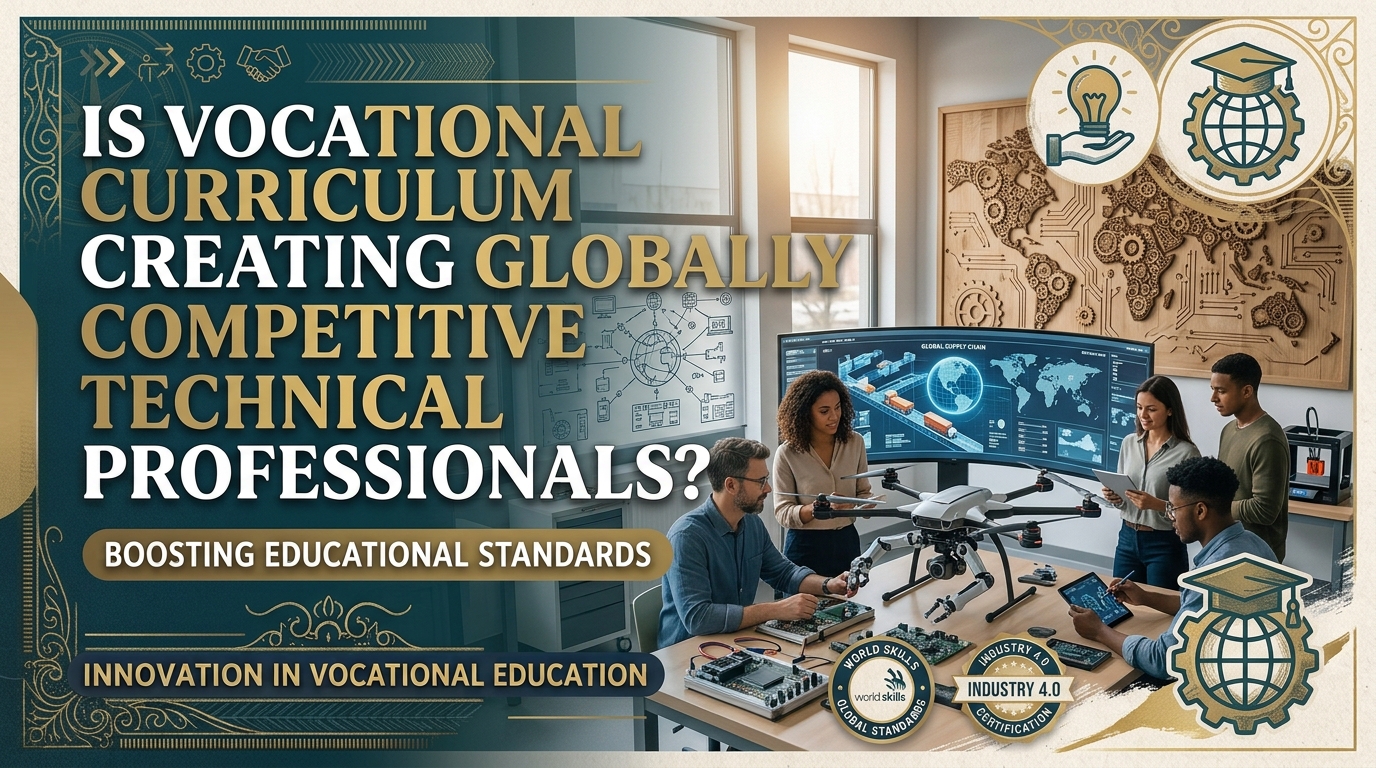
The rapid globalization of industries and technological advances require technical education to prepare students for international standards. High schools, polytechnics, and vocational academies face increasing pressure to graduate skilled workers who can perform effectively anywhere in the world. Developing globally competitive professionals depends heavily on whether vocational study programs align with international workplace expectations and cross-border industry standards. When academic frameworks integrate modern technologies, international languages, and practical training, students acquire exceptional career prospects. However, traditional training methods must continue evolving to bridge lingering competency gaps.
ALIGNING TECHNICAL SKILLS WITH INTERNATIONAL INDUSTRY STANDARDS
To build an internationally recognized workforce, technical education must directly mirror global operational procedures and technological innovations. Teaching advanced digital tools, automated machinery, and modern software equips students with market-relevant skill sets required by multinational corporations. When academic institutions update their syllabi according to global trends, graduates transition seamlessly into international workplaces
Furthermore, adopting standardized training frameworks ensures that local educational qualifications carry significant professional value abroad. Understanding international safety protocols, quality control measures, and engineering standards builds true technical proficiency in young learners. Aligning local learning modules with global industry benchmarks guarantees that students compete effectively in the international job market.
EMBEDDING INTERNATIONAL CERTIFICATIONS AND LANGUAGE PROFICIENCY
Integrating globally recognized credentials into standard coursework provides students with verified proof of their technical expertise. Earning international professional credentials from global technology leaders gives graduates a distinct competitive advantage over their peers. These certifications validate operational mastery and signal high technical competence to corporate recruiters worldwide.
In addition to technical credentials, mastering professional English and communication skills is vital for international career success. Fluency in workplace English enables technical specialists to collaborate smoothly with diverse international teams and execute complex global projects. Combining language mastery with verified technical expertise ensures long-term career growth in multinational environments.
FOSTERING CROSS BORDER INDUSTRY PARTNERSHIPS AND INTERNSHIPS
Establishing strong linkages with multinational companies provides vocational students with irreplaceable practical exposure and professional networking opportunities. Strategic corporate partnerships facilitate student exchange initiatives, international apprenticeships, and remote cross-border project collaborations. Direct exposure to global work cultures helps learners develop adaptability, cultural awareness, and professional discipline.
Additionally, corporate mentors offer real-time insights into emerging technological trends and international workplace demands. Participating in real-world corporate assignments helps students build problem-solving confidence before formally entering the global job market. Strong industry linkages ensure educational programs remain permanently aligned with real-world commercial requirements.
UPGRADING CAMPUS FACILITIES AND INSTRUCTOR CAPABILITIES
Delivering world-class technical education requires state-of-the-art laboratory equipment, software tools, and modern workshop facilities. Educational institutions must invest in modern educational infrastructure to provide students with authentic hands-on practice using professional-grade equipment. Practicing on modern machinery ensures students enter international workplaces fully familiar with standard operational tools.
Simultaneously, prioritizing continuous teacher upskilling programs guarantees that instructors maintain mastery over modern technological trends. Knowledgeable educators effectively guide students through complex practical exercises and rigorous technical assessments. Investing in both modern facilities and instructor development secures sustained educational excellence for future generations.
CONCLUSION
Vocational curriculum has the power to produce globally competitive technical professionals through modern learning models and corporate partnerships. Combining international credentials, upgraded facility infrastructure, language proficiency, and continuous teacher training creates a resilient educational ecosystem. While updating facilities and curricula requires sustained effort, the long-term benefits for graduates and economic development are immense. Educational leaders must proactively modernize vocational training today to ensure graduates excel in competitive global markets. Preparing young specialists for international success guarantees a prosperous and future-ready workforce worldwide.
Recent Posts

Bagaimana Sistem SKS pada Program Kuliah... 22.11.2026/54 View

How Does Technology Make Daily Evaluation... 21.11.2026/83 View

Apa Strategi Menghadapi Kesenjangan antara Kompetensi... 21.11.2026/82 View

Mengapa Inventaris Aset Penting bagi Kelancaran... 21.11.2026/78 View

When Should Musicians Join a Record... 21.11.2026/84 View
