

Is Vocational Curriculum Effectively Preparing Students For Modern Careers?
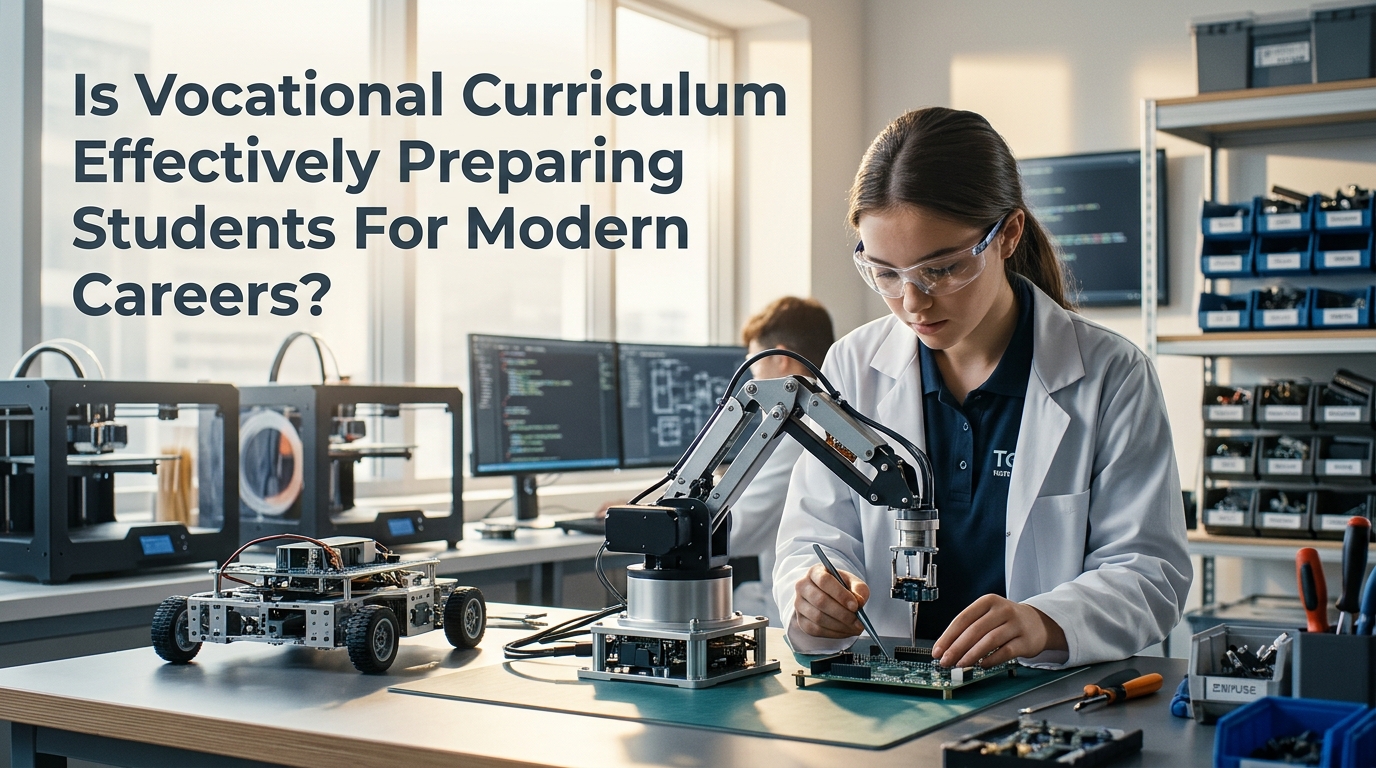
Rapid technological advancements have fundamentally reshaped the global job market in recent years. Questions surrounding whether a vocational curriculum can properly prepare students for modern careers have become a critical focal point in education. By prioritizing practical skills and hands-on experience, vocational education aims to produce highly competent graduates who are workplace-ready. Dynamic curricular adjustments serve as the foundation for ensuring students remain adaptable amidst digital disruption. This article explores how effectively a vocational curriculum equips young professionals to thrive in today's fast-changing work environment.
ALIGNING LEARNING MATERIALS WITH MODERN INDUSTRY TRENDS
A modern vocational curriculum acts as a vital bridge connecting academic theory with the actual needs of modern industry. Regular updates to educational modules ensure that taught skills align directly with current technological standards. Students do not simply study abstract concepts; they work directly with industry-standard software, machinery, and digital tools.
Direct collaboration with active industry professionals ensures that course contents reflect real-world workplace expectations accurately. This continuous engagement keeps learning materials fresh, relevant, and responsive to global market shifts. Consequently, learners build a solid understanding that directly satisfies what employers expect from new hires today.
IMPLEMENTING PRACTICAL LEARNING AND WORKPLACE SIMULATIONS
The primary advantage of vocational education lies in its heavy emphasis on practical application over passive classroom lectures. Utilizing project-based learning methods allows students to solve authentic problems commonly faced in corporate settings. Through hands-on simulations and team projects, learners sharpen their analytical skills and troubleshoot complex operational issues
Consistent exposure to real-world scenarios builds professional discipline, confidence, and strong workplace ethics. Students grow accustomed to following strict industry safety standards and operational procedures early on. This combination of technical confidence and mental readiness becomes a major asset when transitioning into the job market.
INTEGRATING INTERNSHIPS AND REAL WORK EXPERIENCE
An industry internship serves as a crucial bridge between academic study and the fast-paced reality of professional workplaces. Through real work experience, students apply their classroom knowledge while directly absorbing modern corporate culture. Daily interactions with experienced colleagues significantly accelerate the development of specialized technical skills.
Beyond refining hard skills, on-the-job training effectively enhances essential interpersonal skills such as team communication and conflict resolution. Students learn how to manage time, collaborate across departments, and adapt under real work pressure. This immersive experience ensures a smoother, more confident shift from school to full-time employment.
EMBEDDING PROFESSIONAL CERTIFICATIONS INTO THE CURRICULUM
To guarantee skill quality and global validity, vocational programs embed professional competency certification testing directly into their degree tracks. Earned certificates from recognized independent authorities provide official proof of a student's specific technical mastery. Holding industry-recognized credentials gives job seekers a distinct competitive edge during hiring processes.
Official certifications reassure recruiters that a candidate's abilities have been rigorously evaluated against standardized criteria. Graduates carry not only an academic degree but also verified documentation of their practical expertise. This seamless integration proves that vocational graduates are fully prepared to perform at professional levels globally.
FOSTERING ADAPTABILITY AND LIFELONG LEARNING HABITS
Modern workplaces demand professionals who possess both technical strength and high adaptability. Vocational education instills a lifelong learning mindset so that graduates can continuously upgrade their skill sets as technology evolves. The willingness to self-educate ensures long-term career durability despite automation and industry changes.
Adaptable workers remain resilient when facing disruptions like artificial intelligence and digital workflow shifts. They actively seek out new knowledge, maintaining high value across changing economic landscapes. Building this adaptable character ensures that vocational graduates sustain long-term career success.
CONCLUSION
A well-structured vocational curriculum effectively prepares students for modern careers by blending aligned industry trends, hands-on training, industry internship programs, and recognized competency certification. By cultivating lifelong learning habits alongside technical expertise, vocational education produces competent graduates equipped to succeed in today's job market while adapting seamlessly to future technological shifts.
Recent Posts

Bagaimana Sistem SKS pada Program Kuliah... 22.11.2026/54 View

How Does Technology Make Daily Evaluation... 21.11.2026/83 View

Apa Strategi Menghadapi Kesenjangan antara Kompetensi... 21.11.2026/82 View

Mengapa Inventaris Aset Penting bagi Kelancaran... 21.11.2026/78 View

When Should Musicians Join a Record... 21.11.2026/84 View
