

What Activities Are Commonly Included in a School Health Unit Program?
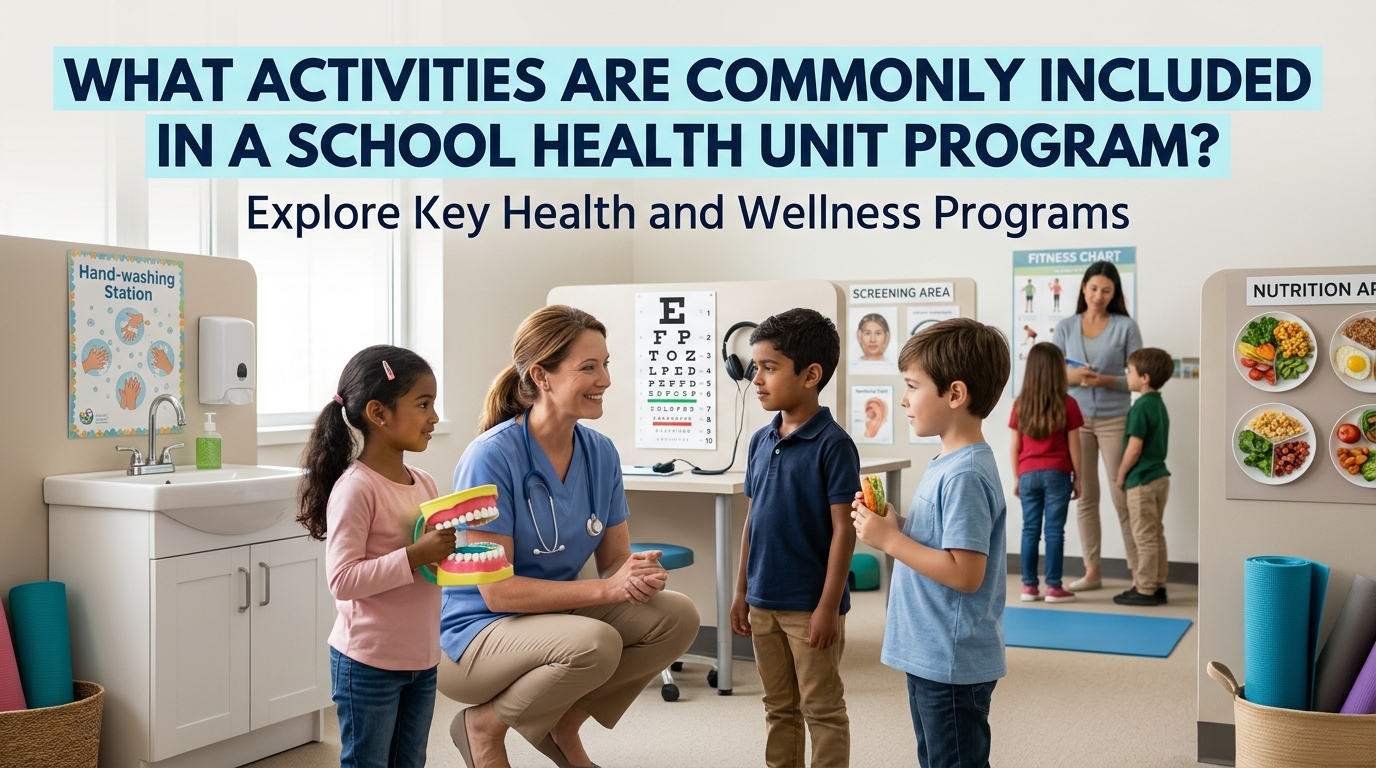
A healthy school environment is essential for supporting students' growth, development, and learning activities. Students need proper health support to stay physically fit, develop healthy habits, and feel safe while attending school. One important way to provide this support is through a School Health Unit Program. This program includes various activities designed to promote health, prevent illness, and provide basic assistance when students experience health problems.
A School Health Unit does more than provide a place for students to rest when they feel unwell. It also encourages students to understand the importance of personal hygiene, balanced nutrition, physical activity, and disease prevention. In Indonesia, this program is commonly known as Usaha Kesehatan Sekolah (UKS) and generally covers three main areas: health education, health services, and a healthy school environment. Through these activities, schools can help students build positive habits that benefit them both at school and at home.
HEALTH EDUCATION ACTIVITIES
Health education is one of the main activities included in a School Health Unit Program. It helps students understand how to maintain their health and prevent common illnesses. Schools can provide lessons about personal hygiene, balanced nutrition, oral health, physical activity, and the importance of getting enough sleep. These topics can be delivered through classroom discussions, presentations, posters, and practical demonstrations.
Students can also participate in health campaigns and educational events to make learning more interesting. For example, schools may organize handwashing demonstrations, nutrition awareness activities, or discussions about preventing infectious diseases. The purpose of health education is to develop students' knowledge and encourage responsible health behavior. By learning these principles early, students can apply healthy practices in their everyday lives.
PERSONAL HYGIENE AND CLEANLINESS ACTIVITIES
Personal hygiene is an important part of maintaining student health. A School Health Unit Program commonly includes activities that teach students how to wash their hands correctly, brush their teeth, keep their nails clean, and maintain body cleanliness. Students can also learn why wearing clean clothes and using proper sanitation facilities are important. These simple habits help reduce the risk of certain infections and support overall well-being.
Schools can organize regular hygiene campaigns and classroom activities to reinforce these practices. Teachers may remind students to wash their hands before eating and after using the toilet. Students can also be encouraged to maintain clean classrooms and avoid sharing personal items such as toothbrushes or towels. Consistent hygiene practices help students become more independent and responsible for their personal health.
BASIC HEALTH SERVICES AND FIRST AID
A School Health Unit usually provides basic health services for students who experience minor health complaints during school hours. These services may include initial assistance for headaches, dizziness, minor cuts, bruises, or other common conditions. The school health room should have appropriate first-aid supplies and clear procedures for responding to student health concerns. Designated personnel should understand their responsibilities and provide assistance within the limits of their training.
First aid is especially important when students experience accidents during classroom activities, sports, or school events. School staff should know how to respond safely and contact parents or emergency services when necessary. Students with serious symptoms or injuries must be referred to qualified healthcare professionals rather than treated only at school. Basic health services provide initial support, but they do not replace professional medical diagnosis or treatment.
STUDENT HEALTH SCREENING ACTIVITIES
Health screening is another activity that may be included in a School Health Unit Program. It helps identify possible health concerns that may affect students' growth, comfort, and learning activities. Depending on available resources and local health guidelines, screening may cover vision, hearing, dental health, nutritional status, and general physical development. These activities should be conducted by or in coordination with qualified healthcare personnel.
The results can help parents and healthcare providers decide whether a student needs further examination or follow-up care. For example, a student who has difficulty reading from the classroom board may need a professional eye examination. Screening can also help identify possible nutritional concerns that require further assessment. Early identification allows health concerns to receive attention before they become more difficult to manage, although screening itself does not provide a medical diagnosis.
NUTRITION AND HEALTHY EATING ACTIVITIES
Nutrition education is important because students need sufficient nutrients to support growth, development, and daily activities. A School Health Unit Program can include lessons about balanced meals, healthy snacks, safe food, and adequate water intake. Students can learn about the importance of consuming vegetables, fruits, protein sources, and other nutritious foods. They should also understand why excessive consumption of foods and drinks high in sugar, salt, or unhealthy fats should be limited.
Schools may organize healthy eating campaigns, nutrition demonstrations, or educational activities in cooperation with health professionals. They can also encourage students to bring nutritious meals from home and choose safer food options at school. School canteens should be encouraged to follow appropriate food hygiene and safety standards. Nutrition education helps students make informed food choices and develop healthier eating habits from an early age.
PHYSICAL ACTIVITY AND FITNESS PROGRAMS
Regular physical activity is another important component of student health. School Health Unit activities can work together with physical education programs to encourage students to stay active. Examples include morning exercise, sports activities, group stretching, walking programs, and school fitness campaigns. These activities can help improve physical fitness, coordination, strength, and general health.
Schools should provide opportunities for students with different abilities and fitness levels to participate safely. Physical activities need suitable supervision, appropriate equipment, and enough space to reduce the risk of injury. Students should also learn the importance of warming up, cooling down, drinking enough water, and resting when necessary. Regular physical activity supports healthy development and encourages students to adopt an active lifestyle.
MENTAL HEALTH AND EMOTIONAL SUPPORT ACTIVITIES
Student health includes more than physical well-being. Emotional and mental health also influence how students learn, communicate, and interact with others. A School Health Unit Program can support mental well-being through health awareness campaigns, stress management education, anti-bullying activities, and information about where students can seek help. These activities help students recognize emotional difficulties and understand that asking for support is a positive step.
Schools should work with counselors, parents, and qualified professionals when students experience ongoing emotional or psychological problems. Teachers can also help by creating a respectful classroom atmosphere and responding appropriately to signs of distress. Students should be able to discuss their concerns without fear of being embarrassed or judged. Mental health education and appropriate support help create a more caring and inclusive school environment.
DISEASE PREVENTION AND HEALTH CAMPAIGNS
Disease prevention activities help students understand how illnesses spread and how to reduce health risks. A School Health Unit Program may include campaigns about handwashing, respiratory hygiene, safe food handling, and keeping personal and shared spaces clean. Students can learn how to cover their mouths when coughing or sneezing and why they should avoid sharing personal hygiene items. Schools can also provide accurate information about common infectious diseases.
Health campaigns may involve teachers, students, parents, and local healthcare professionals. Depending on public health recommendations, schools may coordinate with health authorities regarding immunization information and other preventive health activities. Students who show symptoms of contagious illnesses should be managed according to school health procedures and appropriate medical advice. Prevention activities help reduce avoidable health risks and build awareness throughout the school community.
SCHOOL ENVIRONMENTAL HEALTH ACTIVITIES
A clean and safe school environment is essential for supporting student health. Environmental health activities may include classroom cleaning, waste separation, proper rubbish disposal, toilet maintenance, and monitoring access to clean drinking water. Schools should also ensure that handwashing facilities are available and maintained properly. These activities help create surroundings that are more comfortable and hygienic for students and teachers.
Students can participate through regular classroom cleaning schedules, environmental campaigns, and school garden activities. School staff should also inspect classrooms, playgrounds, sports areas, and other facilities to identify potential hazards. Problems such as damaged furniture, slippery floors, or unsafe equipment should be addressed promptly. A healthy school environment supports disease prevention, improves comfort, and reduces the risk of accidents.
HEALTH RECORDS AND COOPERATION WITH PARENTS
Keeping appropriate health records can help schools organize and monitor student health services. Records may include relevant information about health screening, first-aid assistance, referrals, and participation in certain health activities. Such information should only be collected when necessary and handled responsibly. Student health information must remain confidential and should only be shared with authorized people for appropriate purposes.
Cooperation with parents is equally important because health support should continue beyond the school environment. Schools can communicate with families about screening results, recurring health concerns, and recommended follow-up actions. They can also work with local health centers and healthcare professionals to organize health education or other suitable services. Good communication between schools, parents, and health providers helps ensure that students receive consistent and appropriate support.
CONCLUSION
A School Health Unit Program includes various activities that support students' physical, mental, and social well-being. Common activities include health education, personal hygiene campaigns, basic health services, first aid, health screening, nutrition education, physical exercise, mental health support, disease prevention, and environmental cleanliness programs.
However, these activities need proper planning, suitable facilities, trained personnel, and cooperation between schools, parents, and healthcare professionals. Each activity should be adjusted to students' needs and carried out according to appropriate health guidelines. An effective School Health Unit Program does not only respond to health problems but also teaches students how to prevent illness and maintain healthy habits throughout their lives.
Recent Posts

Bagaimana Sistem SKS pada Program Kuliah... 22.11.2026/35 View

How Does Technology Make Daily Evaluation... 21.11.2026/69 View

Apa Strategi Menghadapi Kesenjangan antara Kompetensi... 21.11.2026/70 View

Mengapa Inventaris Aset Penting bagi Kelancaran... 21.11.2026/67 View

When Should Musicians Join a Record... 21.11.2026/69 View
