

What Are Common Examples of Operating Costs in Daily Business Activities?
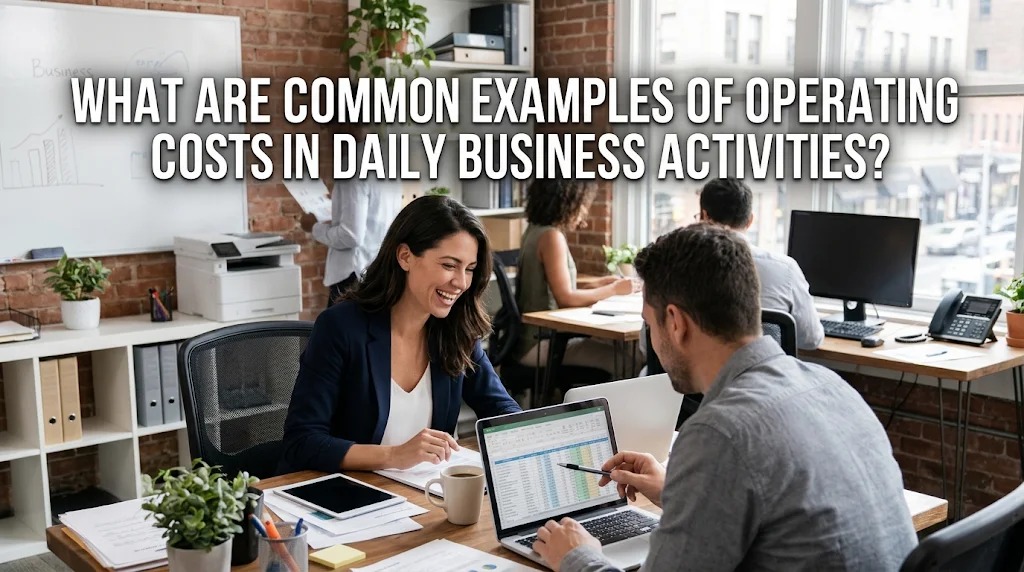
Operating costs are an essential part of running any business, regardless of its size or industry. Every company needs to spend money on daily activities to maintain operations, serve customers, and achieve its business goals. These expenses include employee salaries, office rent, electricity, internet services, transportation, and marketing activities. Although some costs may seem small individually, they can significantly affect a company's total expenses over time.
Understanding common examples of operating costs helps business owners manage their budgets, control unnecessary spending, and maintain financial stability. By identifying where money is spent, companies can make better financial decisions and improve their operational efficiency.
EMPLOYEE SALARIES AND BENEFITS
Employee salaries are among the most common operating costs in daily business activities. Companies need employees to handle different responsibilities, including administration, customer service, sales, management, and other operational tasks. Salaries are paid regularly and represent an important expense that businesses must include in their budgets. In addition to basic wages, companies may also provide bonuses, overtime payments, health benefits, and other employee allowances.
Employee-related expenses can vary depending on the number of workers, job positions, working hours, and company policies. For example, a retail store needs sales assistants and cashiers to serve customers, while an office may require administrative staff and managers. Businesses must manage employee expenses carefully to maintain productivity without creating unnecessary financial pressure. Proper workforce planning can help companies balance labor costs and operational needs.
OFFICE RENT AND UTILITY EXPENSES
Office rent is another common operating cost, especially for businesses that require physical locations to conduct their activities. Companies may rent offices, shops, warehouses, or commercial buildings to support their daily operations. The amount paid usually depends on the property's location, size, facilities, and rental agreement. For businesses operating in busy commercial areas, rental expenses can represent a significant portion of their monthly budgets.
Utility expenses are also necessary to keep business activities running smoothly. These include electricity, water, internet connections, telephone services, and other essential facilities. For example, a restaurant needs electricity for refrigerators and cooking equipment, while an office requires internet access for communication and administrative work. Monitoring utility consumption can help businesses reduce unnecessary expenses and improve overall cost efficiency.
MARKETING AND ADVERTISING EXPENSES
Marketing and advertising expenses are operating costs used to promote products, attract customers, and increase brand awareness. Businesses spend money on social media campaigns, online advertisements, printed promotional materials, promotional events, and other marketing activities. These expenses help companies introduce their products to potential customers and maintain relationships with existing buyers.
The amount spent on marketing depends on the company's target audience, promotional strategy, and business objectives. For example, a small business may use social media platforms to promote products at a relatively low cost. Larger companies may invest in professional advertising campaigns, influencer partnerships, and promotional events. Businesses should evaluate marketing performance regularly to ensure that promotional spending contributes to customer growth and sales.
TRANSPORTATION AND DELIVERY EXPENSES
Transportation and delivery expenses are important operating costs for businesses that regularly move products, materials, employees, or equipment. These expenses may include fuel, vehicle maintenance, delivery fees, parking charges, and transportation services. Companies that distribute products to customers often need reliable transportation to ensure that orders arrive safely and on time.
For example, an online store may spend money on courier services to deliver customer orders. A retail business may also pay transportation costs when moving inventory between warehouses and stores. These expenses can increase when fuel prices rise, delivery distances become longer, or customer demand grows. Businesses can manage transportation costs by planning efficient delivery routes, comparing service providers, and maintaining vehicles properly.
OFFICE SUPPLIES AND MAINTENANCE EXPENSES
Office supplies are everyday resources that employees need to complete their responsibilities. Common examples include paper, pens, printer ink, folders, cleaning materials, and other administrative equipment. Although individual purchases may be relatively inexpensive, these expenses can accumulate over time, particularly in companies with many employees. Businesses should monitor supply usage and purchase items according to actual operational needs.
Maintenance expenses are also necessary to keep business facilities and equipment in good working condition. These costs may include repairing computers, maintaining air conditioning systems, servicing office equipment, and fixing building facilities. Regular maintenance helps prevent unexpected breakdowns that could interrupt business activities. By taking care of equipment and facilities, companies can avoid larger repair expenses and maintain a productive working environment.
CONCLUSION
Common examples of operating costs in daily business activities include employee salaries, office rent, utility bills, marketing expenses, transportation, office supplies, and maintenance. These expenses support the activities required to keep a company running smoothly and serving its customers. Although operating costs are necessary, businesses must monitor them carefully to avoid unnecessary spending. Effective cost management helps improve financial performance, maintain operational efficiency, and support long-term business growth.
Recent Posts

Bagaimana Sistem SKS pada Program Kuliah... 22.11.2026/34 View

How Does Technology Make Daily Evaluation... 21.11.2026/68 View

Apa Strategi Menghadapi Kesenjangan antara Kompetensi... 21.11.2026/68 View

Mengapa Inventaris Aset Penting bagi Kelancaran... 21.11.2026/66 View

When Should Musicians Join a Record... 21.11.2026/67 View
