

What Are Examples of Political Literacy in Everyday Life?
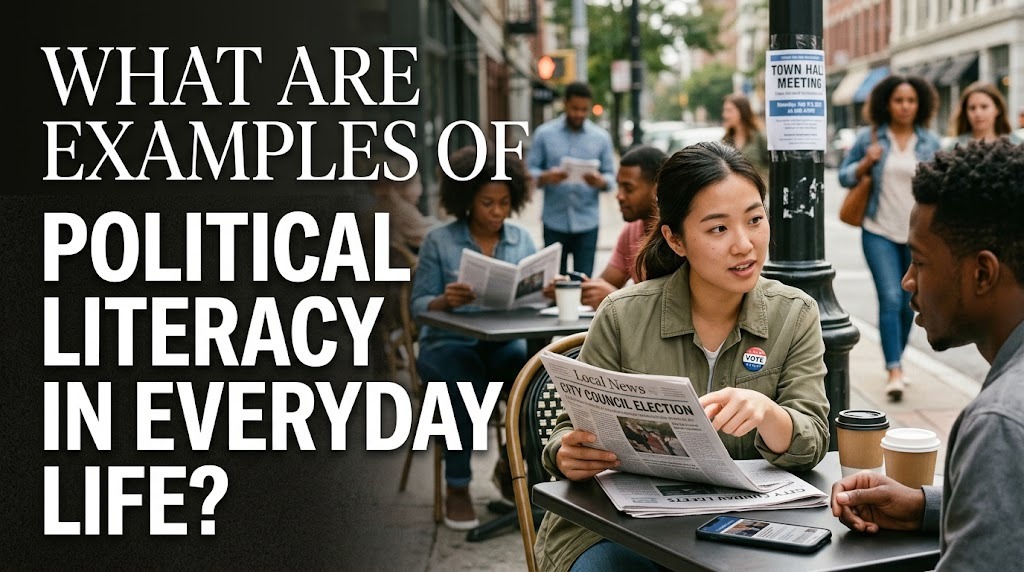
Political literacy is not limited to classrooms, elections, or formal discussions about government. It can also be applied in everyday situations when people encounter public information, discuss community issues, evaluate political claims, or try to understand how government decisions affect their lives.
Developing political literacy skills can help individuals become more careful when receiving and sharing information. Simple activities such as checking a source, understanding public policies, discussing issues respectfully, and learning about civic rights can become part of everyday political literacy.
CHECKING POLITICAL INFORMATION BEFORE SHARING IT
One common example of political literacy in everyday life is checking information before accepting or sharing it. Political claims can spread quickly through social media, messaging applications, websites, and online videos.
People can examine who published the information, when it was published, what evidence is provided, and whether the claim is supported by other reliable sources. Comparing information from credible sources can provide additional context.
This habit is part of information literacy, which UNESCO describes as involving the ability to recognize information needs and access, evaluate, and use information effectively.
UNDERSTANDING PUBLIC POLICIES
Another example is learning how public policies affect everyday life. Government decisions can relate to areas such as education, transportation, healthcare, employment, taxation, infrastructure, and environmental regulations.
For example, when a new public policy is introduced, people can look for information about its purpose, implementation, and potential effects. Rather than relying only on short social media posts, they can consult official documents or reliable news sources.
Understanding public policies can help people recognize the connection between government decisions and daily life. It can also help them ask relevant questions about issues affecting their communities.
DISCUSSING POLITICAL ISSUES RESPECTFULLY
Having a conversation about a political issue is another example of political literacy. People may have different opinions because they have different experiences, priorities, or interpretations of available information.
A constructive discussion can involve listening carefully, asking questions, presenting evidence, and explaining an opinion without attacking another person. Respectful disagreement can allow people to understand different perspectives.
Democratic culture includes dialogue, respect for diversity, human rights, and peaceful approaches to disagreement. These principles are reflected in the Council of Europe's framework for democratic culture.
LEARNING ABOUT CIVIC RIGHTS AND RESPONSIBILITIES
Understanding civic rights and responsibilities is also part of political literacy. People can learn about the rights provided by laws and the responsibilities associated with living in a society.
Knowledge about public institutions can also help individuals understand where to seek information or raise concerns about particular public matters. Different issues may involve different government agencies or levels of administration.
Learning these basic concepts can make interactions with public institutions more understandable. It can also help people become more aware of their role as members of a community.
PARTICIPATING IN COMMUNITY ACTIVITIES
Civic participation can occur through activities in local communities. Depending on age, legal rights, and circumstances, people can participate in community discussions, volunteer activities, educational programs, or other appropriate civic initiatives.
Community participation can help people understand local issues directly. For example, residents may discuss environmental concerns, neighborhood facilities, education, public safety, or other matters that affect their community.
These experiences can connect political knowledge with real situations. They can also help individuals understand how citizens, communities, and public institutions interact in everyday life.
CONCLUSION
Examples of political literacy in everyday life include checking political information, understanding public policies, discussing political issues respectfully, learning about civic rights, and participating in community activities.
Political literacy does not require people to have the same political opinions. Instead, it involves developing knowledge and skills that help individuals understand public affairs, evaluate information carefully, and make their own informed judgments.
Recent Posts

Bagaimana Sistem SKS pada Program Kuliah... 22.11.2026/33 View

How Does Technology Make Daily Evaluation... 21.11.2026/67 View

Apa Strategi Menghadapi Kesenjangan antara Kompetensi... 21.11.2026/67 View

Mengapa Inventaris Aset Penting bagi Kelancaran... 21.11.2026/65 View

When Should Musicians Join a Record... 21.11.2026/66 View
