

What Are Historic Buildings and Why Are They Important to Preserve?
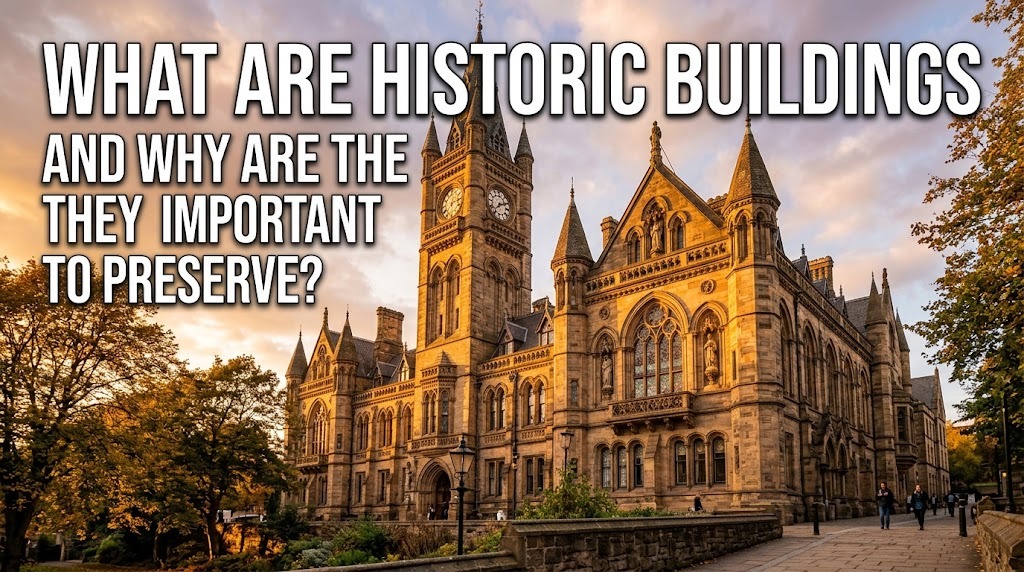
Historic buildings are structures that have significant connections to the past because of their age, architecture, cultural value, or historical events. They can include temples, palaces, traditional houses, government offices, and other buildings that reflect the development of a community or nation. These structures provide valuable evidence of how people lived, worked, and built their surroundings in earlier periods. Understanding historic buildings helps people appreciate the connection between the past and the present.
Preserving historic buildings is important because they represent more than physical structures. They can contain architectural knowledge, cultural traditions, and memories of important events that shaped society. Without proper care, these buildings may deteriorate or disappear, causing valuable historical information to be lost. Therefore, historic building preservation plays an important role in protecting cultural identity and passing knowledge to future generations.
UNDERSTANDING WHAT HISTORIC BUILDINGS ARE
A historic building is generally a structure recognized for its connection to a particular period, event, person, architectural style, or cultural tradition. Some buildings become historically important because of events that occurred inside them, while others are valued for their distinctive construction methods or artistic features. Their importance may be local, national, or international, depending on their historical significance.
Historic buildings can be found in many forms, including religious sites, schools, railway stations, traditional homes, and public institutions. For example, Borobudur Temple in Indonesia is known for its Buddhist architecture, while old railway stations can reveal how transportation developed in the past. Not every old building automatically qualifies as a protected historic site. Its significance is usually assessed through historical records, architectural characteristics, cultural associations, and applicable preservation criteria.
PRESERVING CULTURAL IDENTITY AND HERITAGE
Historic buildings help communities maintain a connection with their cultural heritage. Their designs, materials, decorations, and spatial arrangements may reflect local beliefs, traditions, and ways of life. Traditional houses, for instance, can demonstrate how communities adapted their architecture to local climates, available materials, and social customs.
Protecting these structures also helps preserve the identity of a place. When historic buildings are maintained, communities can continue to recognize and understand important aspects of their shared past. Their preservation can encourage younger generations to learn about local history and respect cultural differences. In this way, cultural heritage preservation supports a sense of continuity between earlier generations and modern society.
LEARNING FROM ARCHITECTURAL AND HISTORICAL EVIDENCE
Historic buildings provide valuable information about the development of architecture, engineering, and construction. Their structures may reveal how earlier builders used local materials, designed ventilation systems, or created buildings suited to specific environmental conditions. Researchers can study these features to understand the technical knowledge and resources available during different historical periods.
These buildings can also serve as educational resources for students, historians, architects, and the wider public. A visit to a historic site can make historical lessons more concrete because people can observe the physical environment associated with past events. Photographs, archives, and restoration records can provide additional information about how buildings have changed over time. As a result, historic buildings in education can support learning through direct observation and historical investigation.
SUPPORTING TOURISM AND LOCAL ECONOMIES
Well-maintained historic buildings can become important destinations for cultural tourism. Visitors may travel to see distinctive architecture, learn about historical events, or experience the traditions associated with a particular place. Historic districts and monuments can also become recognizable symbols of a city or region.
Tourism connected to historic buildings may create opportunities for tour guides, local businesses, craftspeople, transportation providers, and cultural organizations. Visitors may purchase local products, use nearby services, and participate in educational activities. However, tourism must be managed carefully to avoid overcrowding, pollution, and physical damage to historic structures. Sustainable planning can help communities gain economic benefits while maintaining the buildings' historical value.
PROTECTING HISTORIC BUILDINGS FOR FUTURE GENERATIONS
Historic buildings can be threatened by weather, moisture, pollution, natural disasters, inappropriate renovations, and neglect. Rapid urban development may also place pressure on older structures when land is needed for new construction. Without appropriate maintenance, small problems can gradually become serious damage that is expensive or difficult to repair.
Historic building conservation involves careful inspection, regular maintenance, appropriate restoration, and responsible use. Preservation work should respect the building's significant original features and rely on suitable research and professional expertise. Governments, heritage organizations, property owners, and local communities can work together to establish protection measures and raise public awareness. By protecting historic buildings today, society can help ensure that future generations have opportunities to study and appreciate their historical and cultural significance.
CONCLUSION
Historic buildings are important because they preserve evidence of the past, represent cultural identity, provide educational opportunities, and contribute to tourism. Their architectural features and historical associations help people understand how communities developed and how earlier generations responded to their needs. Protecting these structures also helps maintain a meaningful connection between history and modern life.
Preserving historic buildings requires cooperation between governments, experts, property owners, and local communities. Regular maintenance, responsible restoration, public education, and sustainable tourism can help reduce the risks of damage and neglect. Through historic building preservation, valuable cultural and historical resources can remain available for future generations to learn from and appreciate.
Recent Posts

Bagaimana Sistem SKS pada Program Kuliah... 22.11.2026/50 View

How Does Technology Make Daily Evaluation... 21.11.2026/80 View

Apa Strategi Menghadapi Kesenjangan antara Kompetensi... 21.11.2026/79 View

Mengapa Inventaris Aset Penting bagi Kelancaran... 21.11.2026/75 View

When Should Musicians Join a Record... 21.11.2026/80 View
